Reaction equation

[CH2:1]([O:3][CH2:4][C:5]1[N:6]([CH2:18][C:19]2([NH:25]C(=O)OC(C)(C)C)[CH2:24][CH2:23][O:22][CH2:21][CH2:20]2)[C:7]2[C:16]3[CH:15]=[CH:14][CH:13]=[CH:12][C:11]=3[N:10]=[CH:9][C:8]=2[N:17]=1)[CH3:2].O1CCC(=O)CC1.C1(=O)CCCCC1.Cl>C(O)C>[CH2:1]([O:3][CH2:4][C:5]1[N:6]([CH2:18][C:19]2([NH2:25])[CH2:24][CH2:23][O:22][CH2:21][CH2:20]2)[C:7]2[C:16]3[CH:15]=[CH:14][CH:13]=[CH:12][C:11]=3[N:10]=[CH:9][C:8]=2[N:17]=1)[CH3:2]Participants
6
Reactant 4


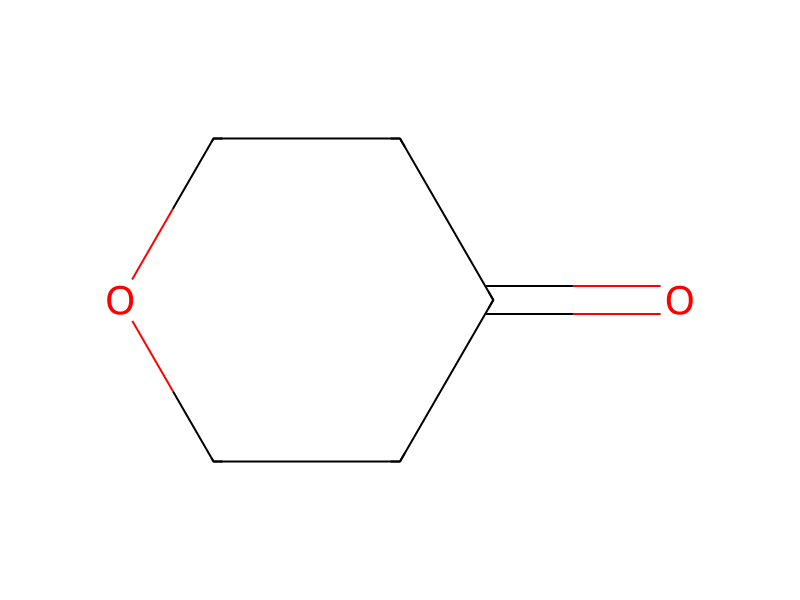

Product 1

Reagents, catalysts & solvents 1

Procedure
Under a nitrogen atmosphere, a mixture of tert-Butyl {4-[(2-ethoxymethyl-1H-imidazo[4,5-c]quinolin-1-yl)methyl]tetrahydropyran-4-yl}carbamate (3.0 g, prepared according to the general methods of Parts A through F of Example 54 using tetrahydro-4H-pyran-4-one in lieu of cyclohexanone in Part A), hydrochloric acid (12.2 mL of 2.8 M in ethanol), and ethanol (18 mL) was heated at reflux for 4 hours. The reaction mixture was allowed to cool to ambient temperature and was then concentrated under reduced pressure. The residue was combined with isopropanol (100 mL). A solid was isolated by filtration to provide 2.56 g of 4-[(2-ethoxymethyl-1H-imidazo[4,5-c]quinolin-1-yl)methyl]tetrahydropyran-4-amine as a tan solid.
Workup
- customprepared
- temperaturewas heated
- temperatureat reflux for 4 hours
- concentrationwas then concentrated under reduced pressure
- customA solid was isolated by filtration
Sources & evidence
- ORD record
- ord-8ea47f14ca5e4c6eae6335777e260c90
- Source dataset
- uspto-grants-2011_02
- Patent number
- US07884207B2
Linked notes
Loading…