Reaction equation

S(=O)(=O)(O)O.[Cl:6][C:7]1[N:8]=[N:9][C:10]([Cl:13])=[CH:11][CH:12]=1.[CH:14]1(C(O)=O)[CH2:17][CH2:16][CH2:15]1.S(OOS([O-])(=O)=O)([O-])(=O)=O.[NH4+].[NH4+].N>O.[N+]([O-])([O-])=O.[Ag+]>[Cl:6][C:7]1[N:8]=[N:9][C:10]([Cl:13])=[CH:11][C:12]=1[CH:14]1[CH2:17][CH2:16][CH2:15]1Participants


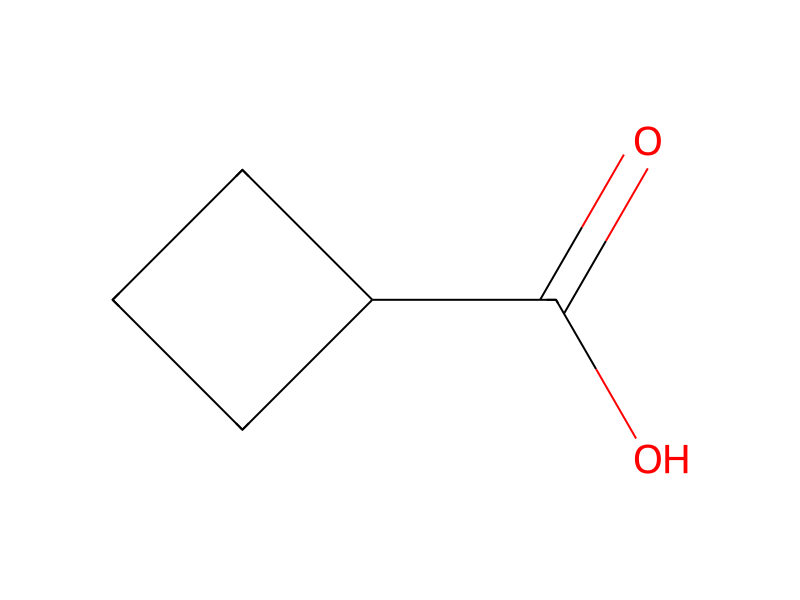
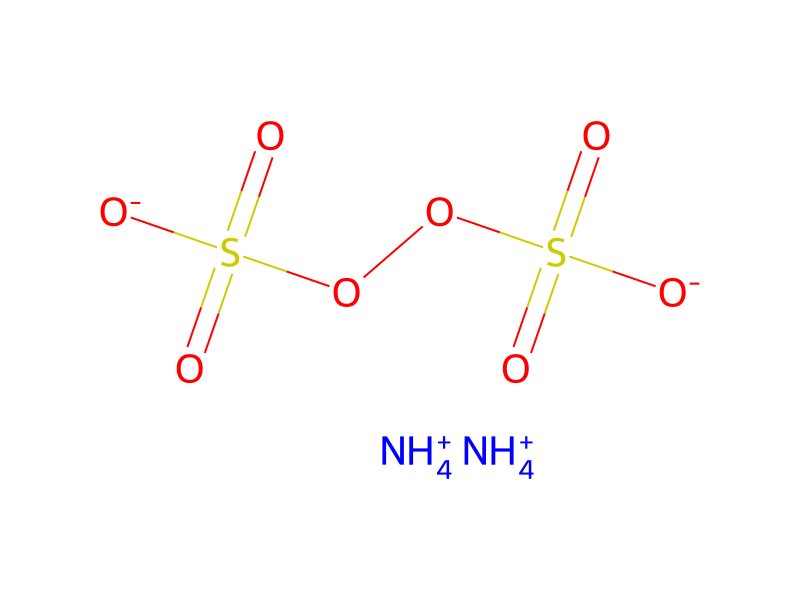
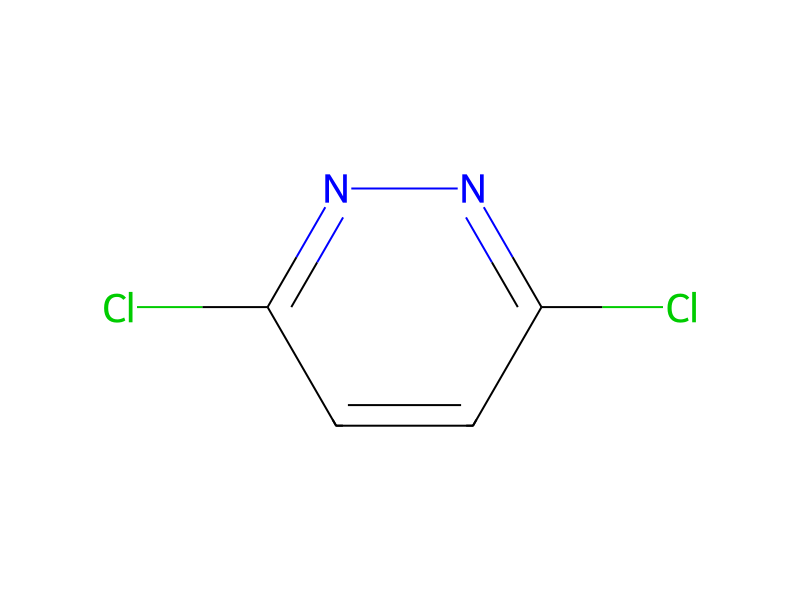



Conditions
- Temperature
- 70 °C
Procedure
Concentrated sulphuric acid (53.6 ml, 1.0 mol) was added carefully to a stirred suspension of 3,6-dichloropyridazine (50.0 g, 0.34 mol) in water (1.25 l). This mixture was then heated to 70° C. (internal temperature) before the addition of cyclobutane carboxylic acid (35.3 ml, 0.37 mol). A solution of silver nitrate (11.4 g, 0.07 mol) in water (20 ml) was then added over approximately one minute. This caused the reaction mixture to become milky in appearance. A solution of ammonium persulphate (230 g, 1.0 mol) in water (0.631) was then added over 20-30 minutes. The internal temperature rose to approximately 85° C. During the addition the product formed as a sticky precipitate. Upon complete addition the reaction was stirred for an additional 5 minutes, then allowed to cool to room temperature. The mixture was then poured onto ice and basified with concentrated aqueous ammonia, with the addition of more ice as required to keep the temperature below 10° C. The aqueous was extracted with dichloromethane (×3). The combined extracts were dried (MgSO4), filtered and evaporated to give the title compound (55.7 g, 82%) as an oil. 1H nmr (CDCl3) indicated contamination with approximately 5% of the 4,5-dicyclobutyl compound. However, this material was used without further purification. Data for the title compound: 1H NMR (360 MHz, d6-DMSO) δ1.79-1.90 (1H, m), 2.00-2.09 (1H, m), 2.18-2.30 (2H, m), 2.33-2.40 (2H, m), 3.63-3.72 (1H, m), 7.95 (1H, s); MS (ES+) m/e 203 [MH]+, 205 [MH]+, 207 [MH]30 .
Workup
- customrose to approximately 85° C
- additionDuring the addition the product
- customformed as a sticky precipitate
- additionUpon complete addition the reaction
- temperatureto cool to room temperature
- customthe temperature below 10° C
- extractionThe aqueous was extracted with dichloromethane (×3)
- dry with materialThe combined extracts were dried (MgSO4)
- filtrationfiltered
- customevaporated
Sources & evidence
- ORD record
- ord-9488acc872e54dae966afc5b5c138db4
- Source dataset
- uspto-grants-2003_06
- Patent number
- US06579875B1
Linked notes
Loading…