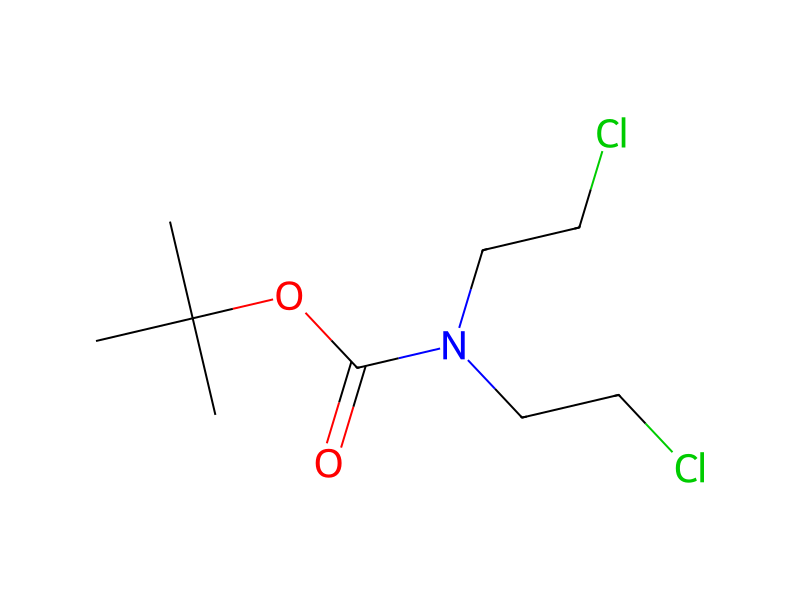
[F:1][C:2]1([F:12])[O:6][C:5]2[CH:7]=[CH:8][CH:9]=[C:10]([NH2:11])[C:4]=2[O:3]1.[C:13]([O:17][C:18](=[O:26])[N:19]([CH2:23][CH2:24]Cl)[CH2:20][CH2:21]Cl)([CH3:16])([CH3:15])[CH3:14].[H-].[Na+]>CN(C=O)C>[C:13]([O:17][C:18]([N:19]1[CH2:23][CH2:24][N:11]([C:10]2[C:4]3[O:3][C:2]([F:1])([F:12])[O:6][C:5]=3[CH:7]=[CH:8][CH:9]=2)[CH2:21][CH2:20]1)=[O:26])([CH3:16])([CH3:15])[CH3:14]An intermediate compound, 1-(2,2-Difluoro-benzo[1,3]dioxol-4-yl)-piperazine, was produced as follows: To the mixture of 2,2-difluoro-benzo[1,3]dioxol-4-ylamine (27 g, 0.156 mol) and bis-(2-chloro-ethyl)-carbamic acid tert-butyl ester (75.5 g, 0.31 mol) in DMF (500 mL) was added NaH (15.6 g, 60% oil dispersion, 0.39 mol) at 0° C. and the resulting mixture was stirred at room temperature for 24 h until LCMS indicated the starting material disappeared. The reaction was quenched with aq. NH4Cl, extracted with EtOAc, washed with brine, dried and concentrated. The residue was purified by flash chromatography (Et3N:EtOAc:heptane/1:10:100) to afford 4-(2,2-difluoro-benzo[1,3]dioxol-4-yl)-piperazine-1-carboxylic acid tert-butyl ester (12.0 g, 22%) as colorless crystals.