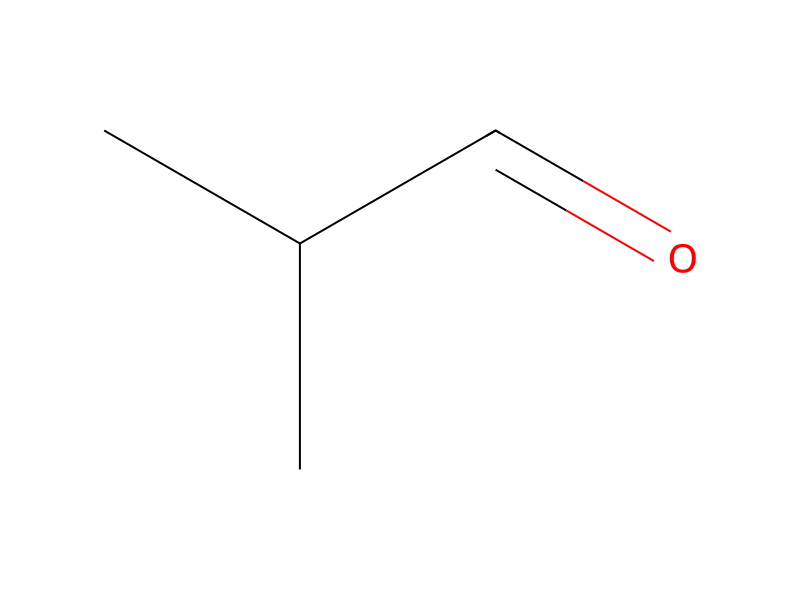
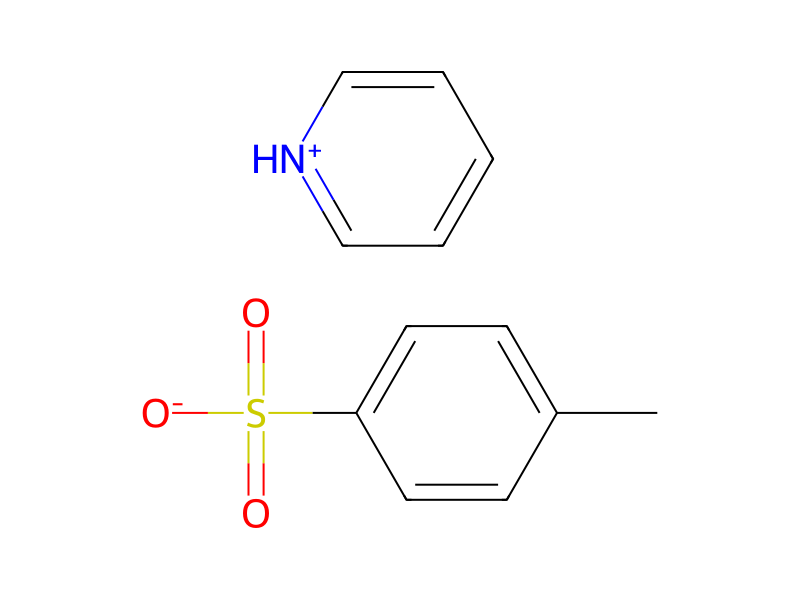
[CH2:1]([O:3][CH2:4][C:5]1[N:6]([NH2:18])[C:7]2[C:16]3[CH:15]=[CH:14][CH:13]=[CH:12][C:11]=3[N:10]=[CH:9][C:8]=2[N:17]=1)[CH3:2].[CH:19](=O)[CH:20]([CH3:22])[CH3:21].C1(C)C=CC(S([O-])(=O)=O)=CC=1.[NH+]1C=CC=CC=1>C1(C)C=CC=CC=1.C(O)(C)C>[CH2:1]([O:3][CH2:4][C:5]1[N:6]([N:18]=[CH:19][CH:20]([CH3:22])[CH3:21])[C:7]2[C:16]3[CH:15]=[CH:14][CH:13]=[CH:12][C:11]=3[N:10]=[CH:9][C:8]=2[N:17]=1)[CH3:2]A solution of 2-ethoxymethyl-1H-imidazo[4,5-c]quinolin-1-amine (0.940 g, 3.88 mmol) in 20 mL of toluene and 5 mL of isopropanol was treated with isobutyraldehyde (0.800 mL, 8.81 mmol) and pyridinium p-toluenesulfonate (0.098 g, 0.39 mmol) and the reaction mixture was heated to reflux under an atmosphere of nitrogen. After 48 h, the reaction mixture was concentrated under reduced pressure and dissolved in CHCl3. The organic portion was washed with water (2×) and brine, dried over Na2SO4, filtered and concentrated under reduced pressure to yield a light brown oil which solidified under vacuum to yield N-(2-ethoxymethyl-1H-imidazo[4,5-c]quinolin-1-yl)isobutylideneamine (1.15 g) as a tan solid.