HomeMCPWorkbenchSkills
HomeWorkbenchNotificationsMe
llms.txt · MCP GuidePrivacy Policy · Terms of Service · Supportv1.8.0
  1. Home
  2. /Reaction

Triethylamine → N,N-diethyl-4-(3-methoxybenzoyl)benzamide

HRID 1385196
Notes
Print preview

Reaction equation

HRID 1385196 reaction equation
C([Li])CCC.Br[C:7]1[CH:8]=[C:9]([O:13][CH3:14])[CH:10]=[CH:11][CH:12]=1.[CH2:15]([N:17]([CH2:28][CH3:29])[C:18](=[O:27])[C:19]1[CH:24]=[CH:23][C:22]([CH:25]=[O:26])=[CH:21][CH:20]=1)[CH3:16].CCN(CC)CC>CCCCCC.C1COCC1.C(Cl)Cl>[CH2:28]([N:17]([CH2:15][CH3:16])[C:18](=[O:27])[C:19]1[CH:24]=[CH:23][C:22]([C:25](=[O:26])[C:7]2[CH:12]=[CH:11][CH:10]=[C:9]([O:13][CH3:14])[CH:8]=2)=[CH:21][CH:20]=1)[CH3:29]
ParticipantsProcedureWorkupSources & evidenceReaction notes

Participants

8

Reactant 4

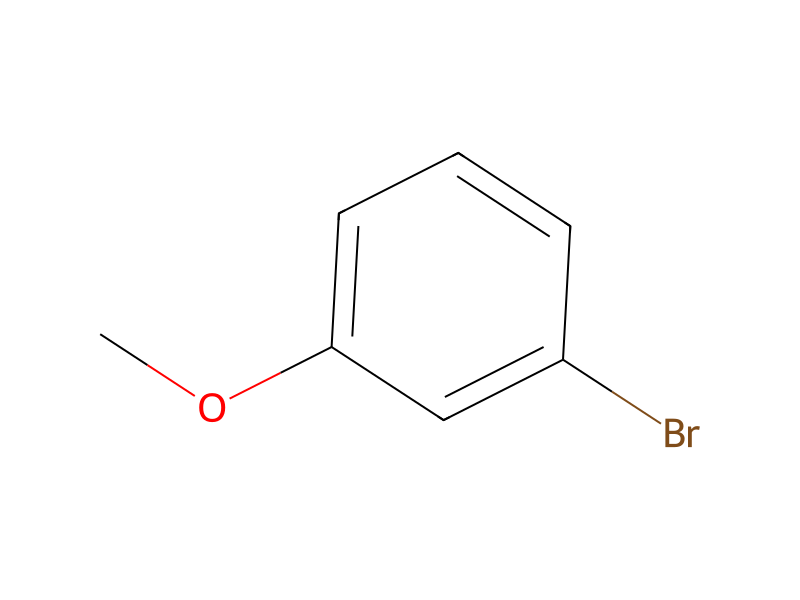
HCID 8471TriethylamineHCID 169713-BromoanisoleHCID 10954698N,N-diethyl-4-formylbenzamideHCID 178418339Butyllithium

Product 1

HCID 9995598N,N-diethyl-4-(3-methoxybenzoyl)benzamideYield 41.8%

Reagents, catalysts & solvents 3

HCID 6344
Dichloromethane
Solvent
HCID 8028TetrahydrofuranSolvent2×
HCID 8058HexaneSolvent

Procedure

60 ml (96 mmol) of a 1.6 N solution of n-butyllithium in n-hexane were added slowly, under a nitrogen atmosphere and at −55° C., to a solution of 18 g (96 mmol) of 3-bromoanisole in 200 ml of dry THF. After 2 h the solution was added via cannula to a solution of 19.7 g (96 mmol) of N,N-diethyl-4-formylbenzamide in 200 ml of dry THF. The reaction mixture was allowed to warm up to room temperature overnight, then it was quenched with NH4Cl saturated solution. The aqueous phase was extracted with Et2O. The organic phase dried over Na2SO4 and the solvent removed in vacuo. The crude reaction mixture was employed in the next synthetic step without further purification. A solution of 15.3 ml of DMSO in 45 ml of CH2Cl2 was added slowly, under a nitrogen atmosphere and at −55 ° C., to a solution of 9 ml of oxalyl chloride in 200 ml of CH2Cl2. After 2 min. the crude reaction mixture obtained in the preceding step and dissolved in 90 ml of CH2Cl2 was added, followed, after 15 min. by 65 ml of Et3N. The reaction mixture was allowed to warm up to room temperature in 2 h, then it was quenched with 500 ml of H2O. The organic phase is separated and washed with 10% HCl solution, then dried over Na2SO4 and the solvent removed in vacuo. The crude reaction mixture was purified by flash chromatography, eluting with Et2O/hexane 9:1 respectively, yielding 12.5 g of the title compound.


Workup

  1. customit was quenched with NH4Cl saturated solution
  2. extractionThe aqueous phase was extracted with Et2O
  3. dry with materialThe organic phase dried over Na2SO4
  4. customthe solvent removed in vacuo
  5. customThe crude reaction mixture
  6. customwas employed in the next synthetic step without further purification
  7. additionA solution of 15.3 ml of DMSO in 45 ml of CH2Cl2 was added slowly, under a nitrogen atmosphere and at −55 ° C., to a solution of 9 ml of oxalyl chloride in 200 ml of CH2Cl2
  8. customAfter 2 min. the crude reaction mixture
  9. customobtained in the preceding step
  10. additionwas added
  11. temperatureto warm up to room temperature in 2 h
  12. customit was quenched with 500 ml of H2O
  13. customThe organic phase is separated
  14. washwashed with 10% HCl solution
  15. dry with materialdried over Na2SO4
  16. customthe solvent removed in vacuo
  17. customThe crude reaction mixture
  18. customwas purified by flash chromatography
  19. washeluting with Et2O/hexane 9:1 respectively

Sources & evidence

ORD record
ord-b04ea1659cff41a7b4f67a367f2a7493
Source dataset
uspto-grants-2001_07
DOI
10.6084/m9.figshare.5104873.v1
Patent number
US06262104B1

Reaction notes

Loading…

On this pageParticipantsProcedureWorkupSources & evidenceReaction notes