2-Ethylhexanol → di(2-ethylhexyl) (2Z)-2-methyl-2-butenedioate
Reaction equation

[C:1]1(=[O:8])[O:7][C:5](=[O:6])[CH:4]=[C:2]1[CH3:3].[CH2:9]([CH:11]([CH2:14][CH2:15][CH2:16][CH3:17])[CH2:12][OH:13])[CH3:10].[C:18]1([CH3:27])[CH:23]=[CH:22][C:21](S(=O)=O)=[CH:20][CH:19]=1.[CH2:28](OC(=O)C)C>>[CH2:9]([CH:11]([CH2:14][CH2:15][CH2:16][CH3:17])[CH2:12][O:13][C:1](=[O:8])/[C:2](=[CH:4]\[C:5]([O:7][CH2:28][CH:21]([CH2:20][CH3:19])[CH2:22][CH2:23][CH2:18][CH3:27])=[O:6])/[CH3:3])[CH3:10]Participants
5


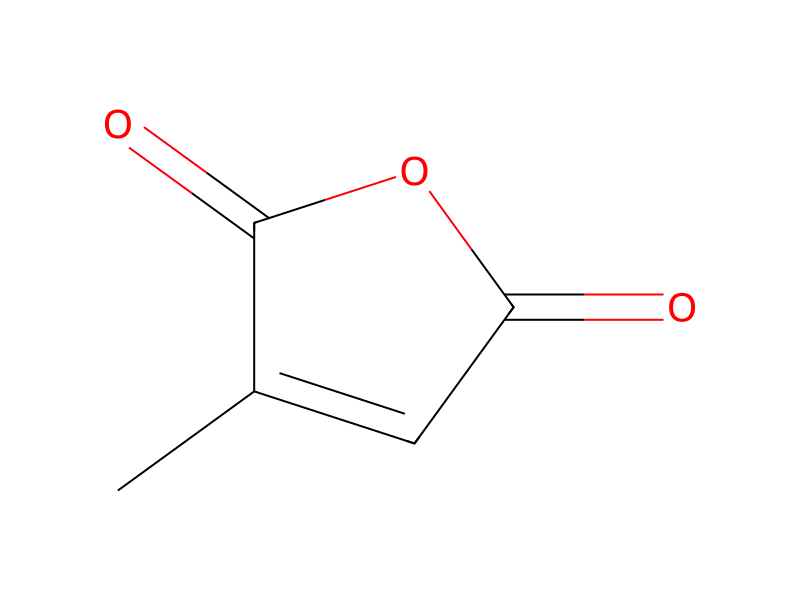


Conditions
- Temperature
- 160 °C
Procedure
10 ml of citraconic anhydride (CAS no 616-02-4) and 53 ml of 2-ethyl-hexanol (CAS no 104-76-7) and 0.3 g of p-toluenesulfonic acid monohydride (CAS n 6192-52-5) were mixed in a glass flask at room temperature. The mixture was heated to 160° C., and maintained at that temperature under stirring overnight. Thereafter the mixture was cooled and diluted with 50 ml of ethylacetate, and washed twice with 100 ml of 10% NaHCO3 solution and twice with 50 ml of water, and dried with MgSO4, and filtered. Final purification of citraconate was done by vacuum distillation.