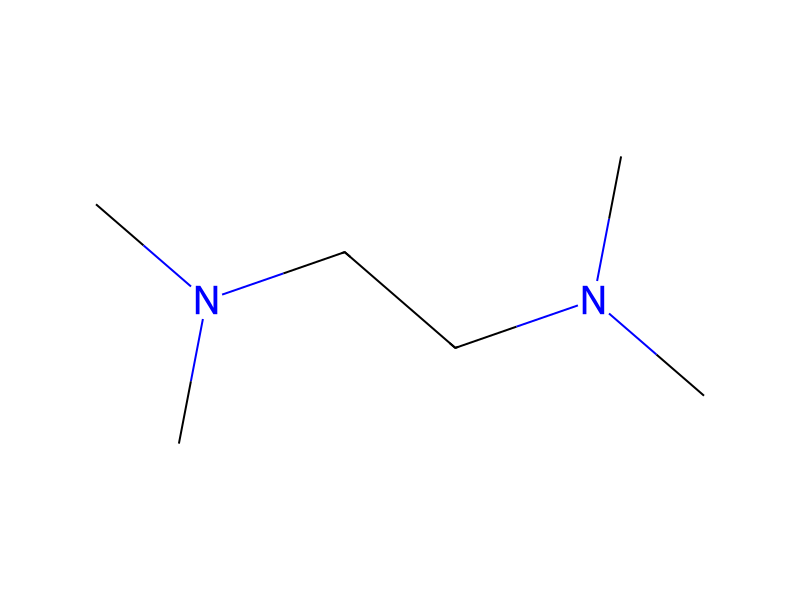
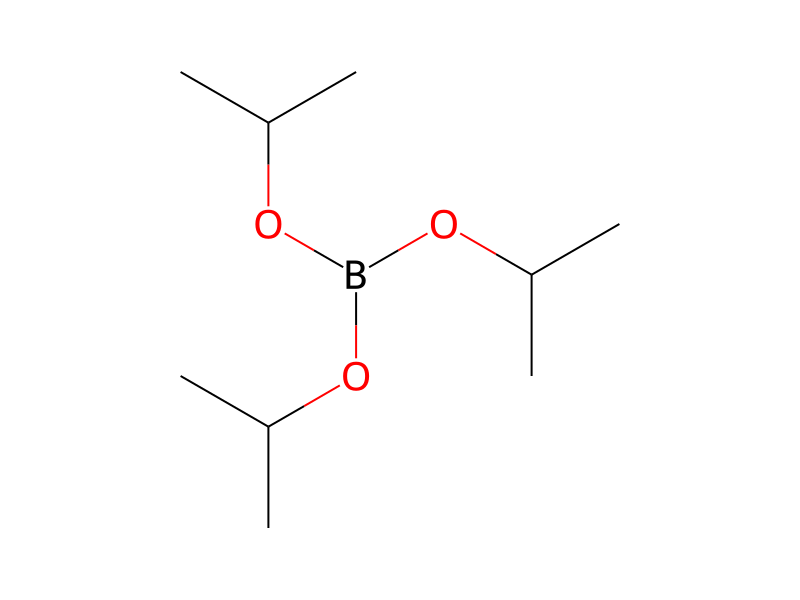
To a solution of 5-(trifluoromethyl)-1-benzofuran (5.0 g, 26.86 mmol) in dry tetrahydrofuran (120 mL) were added tetramethylethylenediamine (3.74 g, 32.2 mmol). The solution was kept below −60° C. under nitrogen, while n-BuLi (12.8 mL, 32.2 mmol, 2.5 M solution in hexane) was added dropwise. The solution was warmed to −10° C. over 45 min and stirred at this temperature for another 30 min. The mixture was cooled again below −60° C. followed by dropwise addition of triisopropyl borate (10.0 g, 53.19 mmol). After warming to room temperature the mixture was quenched with hydrochloric acid (70 mL, 2N) and stirred for 1 h. The alkaline aqueous layer was brought to pH 5 and extracted with ethyl acetate (3×80 mL). All organic layers were combined, dried over sodium sulfate, and concentrated in vacuo to give [5-(trifluoromethyl)-1-benzofuran-2-yl]boronic acid (2.0 g, crude) as light yellow oil; which was used for the next step without further purification.