HomeMCPSkillsWorkbenchOpenChem
HomeWorkbenchNotificationsMe
llms.txt · skill.md · MCP GuidePrivacy Policy · Terms of Service · Supportv1.8.5
  1. Home
  2. /Reaction

Hydrochloric Acid → 2-(3,4-Dichlorocinnamoyl)-1,3-cyclopentanedione

HRID 1415218
Print

Reaction equation

[C:1]([CH:4]1[C:8](=[O:9])[CH2:7][CH2:6][C:5]1=[O:10])(=[O:3])[CH3:2].[Cl:11][C:12]1[CH:13]=[C:14]([CH:17]=[CH:18][C:19]=1[Cl:20])[CH:15]=O.N1CCOCC1.Cl>O.C(O)C>[Cl:11][C:12]1[CH:13]=[C:14]([CH:17]=[CH:18][C:19]=1[Cl:20])[CH:15]=[CH:2][C:1]([CH:4]1[C:8](=[O:9])[CH2:7][CH2:6][C:5]1=[O:10])=[O:3]
ParticipantsProcedureWorkupSources & evidenceReaction notes

Participants

7

Reactant 4

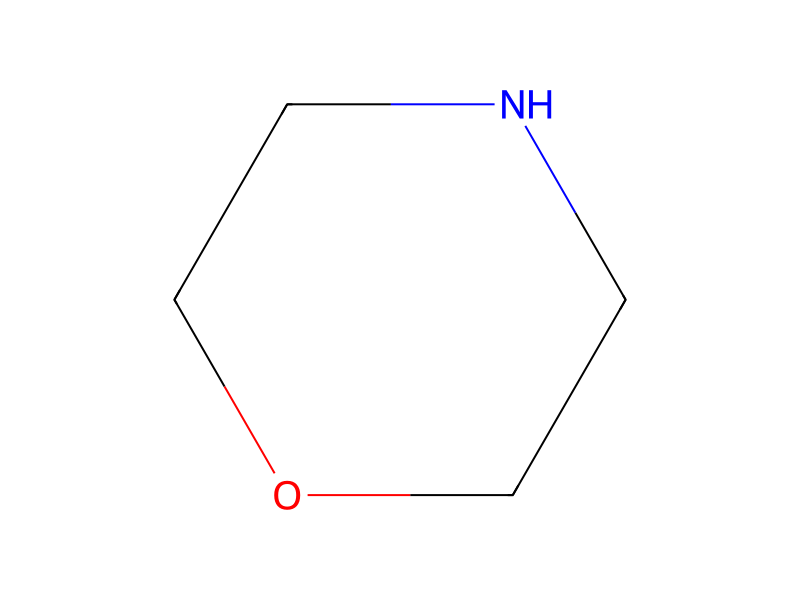
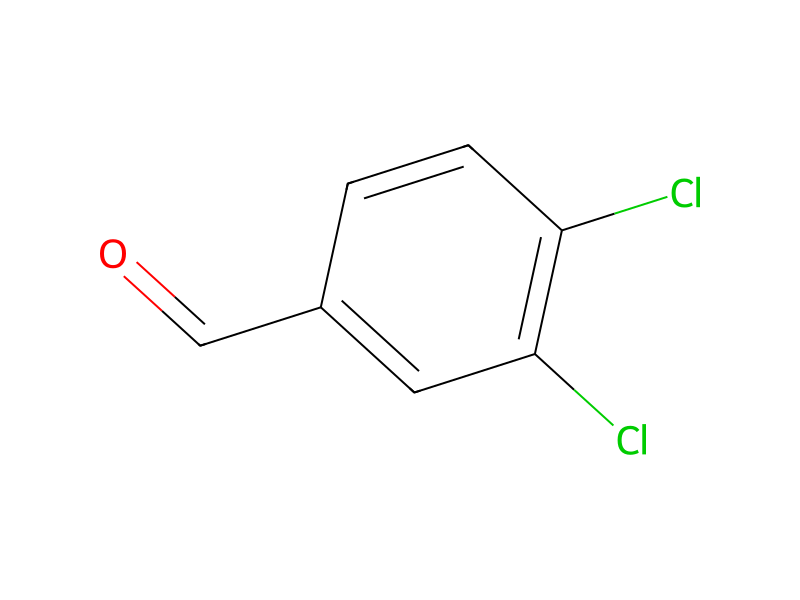
HCID 313Hydrochloric AcidHCID 8083MorpholineHCID 227103,4-DichlorobenzaldehydeHCID 3364732-Acetyl-1,3-cyclopentanedione

Product 1

HCID 537053432-(3,4-Dichlorocinnamoyl)-1,3-cyclopentanedioneYield 37.4%

Reagents, catalysts & solvents 2

HCID 702
Ethanol
Solvent
HCID 962WaterSolvent

Procedure

2-Acetyl-1,3-cyclopentanedione (3.13 g.) was treated with 3,4-dichlorobenzaldehyde (4.36 g.) in 140 ml. of ethanol under reflux for 4 hours in the presence of 5 ml. of morpholine. After cooling, the reaction mixture was poured into 150 ml. of water containing 7 ml. of conc. hydrochloric acid. Deposited crystals were separated by filtration and washed with water, and dried. 2-(3,4-Dichlorocinnamoyl)-1,3-cyclopentanedione (2.48 g., 37%) was obtained which showed mp. 190°- 191° C. after recrystallization from dioxane.

Workup

  1. temperatureAfter cooling
  2. additionthe reaction mixture was poured into 150 ml
  3. customDeposited crystals were separated by filtration
  4. washwashed with water
  5. customdried

Sources & evidence

ORD record
ord-0cc9c682c8d6438daabb77fa6f991bab
Source dataset
uspto-grants-1977_01
DOI
10.6084/m9.figshare.5104873.v1
Patent number
US04003936

Reaction notes

On this pageParticipantsProcedureWorkupSources & evidenceReaction notes