HomeMCPWorkbenchSkills
HomeWorkbenchNotificationsMe
llms.txt · MCP GuidePrivacy Policy · Terms of Service · Supportv1.8.3
  1. Home
  2. /Reaction

Bromine → HCID 66742191, compound

HRID 1431218
Print

Reaction equation

HRID 1431218 reaction equation
[C:1]([C:5]1[CH:6]=[C:7]2[C:12](=[C:13]([F:15])[CH:14]=1)[C:11](=[O:16])[N:10]([C:17]1[CH:27]=[CH:26][CH:25]=[C:24]([C:28]3[CH:33]=[C:32]([Si](C)(C)C)[C:31](=[O:38])[N:30]([CH3:39])[N:29]=3)[C:18]=1[CH2:19][O:20][C:21](=[O:23])[CH3:22])[N:9]=[CH:8]2)([CH3:4])([CH3:3])[CH3:2].[Br-:40].[K+].[C:42]([O-:45])(=[O:44])[CH3:43].[K+].BrBr>>[Br:40][C:32]1[C:31](=[O:38])[N:30]([CH3:39])[N:29]=[C:28]([C:24]2[CH:25]=[CH:26][CH:27]=[C:17]([N:10]3[N:9]=[CH:8][C:7]4[C:12](=[C:13]([F:15])[CH:14]=[C:5]([C:1]([CH3:3])([CH3:2])[CH3:4])[CH:6]=4)[C:11]3=[O:16])[C:18]=2[CH2:19][O:20][C:21](=[O:23])[CH3:22])[CH:33]=1.[C:42]([OH:45])(=[O:44])[CH3:43]
ParticipantsProcedureWorkupSources & evidenceReaction notes

Participants

5

Reactant 4

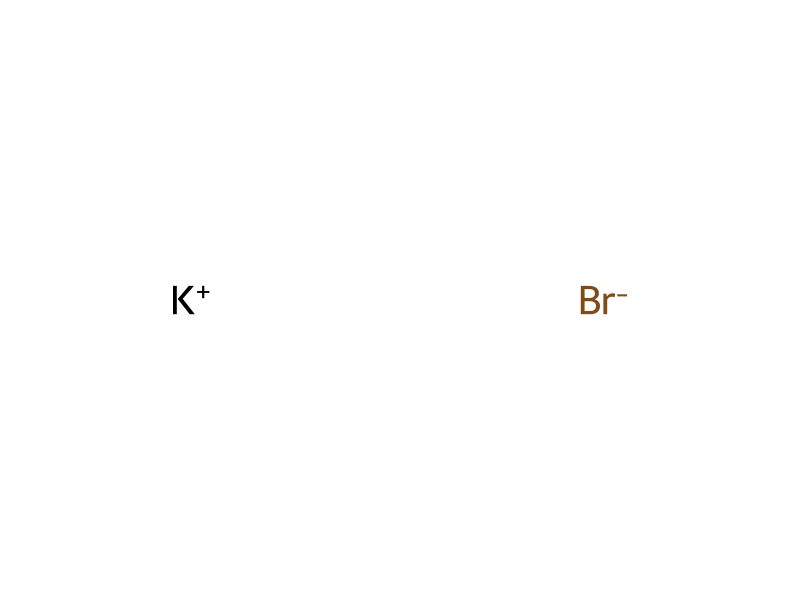
HCID 24408Bromine3×HCID 253877Potassium BromideHCID 517044Potassium AcetateHCID 66743166Acetic acid 2-(6-tert-butyl-8-fluoro-1-oxo-1H-phthalazin-2-yl)-6-(1-methyl-6-oxo-5-trimethylsilanyl-1,6-dihydro-pyridazin-3-yl)-benzyl ester

Product 1

HCID 66742191HCID 66742191, compoundYield 67%

Procedure

In round bottom flask with reflux condenser was placed 2.54 g acetic acid 2-(6-tert-butyl-8-fluoro-1-oxo-1H-phthalazin-2-yl)-6-(1-methyl-6-oxo-5-trimethylsilanyl-1,6-dihydro-pyridazin-3-yl)-benzyl ester, 5.51 g potassium bromide, 4.55 g potassium acetate, followed by ca 18.4908 g bromine. The mixture warmed on addition of the bromine. The mixture was stirred for 2 minutes at room temperature, then set in a bath at 55° C. and stirred. A stopper was placed lightly in the top of the reflux condenser to contain the bromine vapors. After 70 minutes, the mixture was cooled to room temperature, excess bromine removed under a stream of nitrogen. The mixture was taken up in 500 mL of dichloromethane, washed 1×150 mL brine, containing 12 g sodium bisulfite with some resultant exotherm, dried over anhydrous sodium sulfate, filtered and concentrated under reduced pressure. Purification by chromatography on silica gel (Silicycle 120 g, 3.5×21.5 cm, 207 vol), applied in dichloromethane, eluting with dichloromethane-ethyl acetate (80:20), followed by chromatography on silica gel (Silicycle 120 g, 3.5×21.5 cm, 207 vol), applied in dichloromethane, eluting with dichloromethane-ethyl acetate (80:20) to afford the desired product (1.91 g) as an off white solid.

Workup

  1. temperatureIn round bottom flask with reflux condenser
  2. customset in a bath at 55° C.
  3. stirringstirred
  4. waitAfter 70 minutes
  5. temperaturethe mixture was cooled to room temperature
  6. customexcess bromine removed under a stream of nitrogen
  7. washwashed 1×150 mL brine
  8. additioncontaining 12 g sodium bisulfite with some resultant exotherm
  9. dry with materialdried over anhydrous sodium sulfate
  10. filtrationfiltered
  11. concentrationconcentrated under reduced pressure
  12. customPurification by chromatography on silica gel (Silicycle 120 g, 3.5×21.5 cm, 207 vol)
  13. washeluting with dichloromethane-ethyl acetate (80:20)
  14. washeluting with dichloromethane-ethyl acetate (80:20)

Sources & evidence

ORD record
ord-ec35c193f07a4ebe9470e1c693e4551b
Source dataset
uspto-grants-2015_01
DOI
10.6084/m9.figshare.5104873.v1
Patent number
US08940741B2

Reaction notes

On this pageParticipantsProcedureWorkupSources & evidenceReaction notes