HomeMCPWorkbenchSkills
HomeWorkbenchNotificationsMe
llms.txt · MCP GuidePrivacy Policy · Terms of Service · Supportv1.8.3
  1. Home
  2. /Reaction

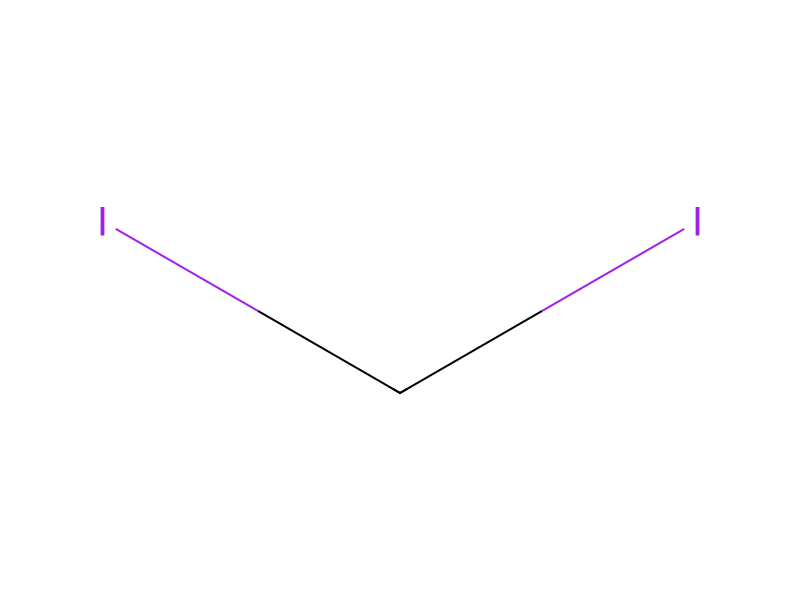
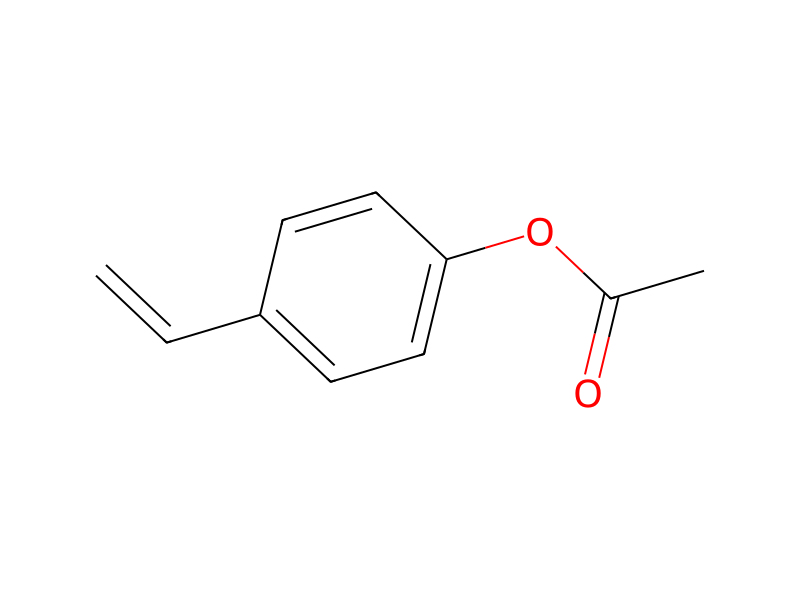
Diiodomethane → Acetic acid 4-cyclopropyl-phenyl ester

HRID 1433230
Print

Reaction equation

HRID 1433230 reaction equation
[CH2:1]([Zn]CC)C.[C:6]([O:9][C:10]1[CH:17]=[CH:16][C:13]([CH:14]=[CH2:15])=[CH:12][CH:11]=1)(=[O:8])[CH3:7].ICI>C1(C)C=CC=CC=1>[CH:14]1([C:13]2[CH:16]=[CH:17][C:10]([O:9][C:6](=[O:8])[CH3:7])=[CH:11][CH:12]=2)[CH2:1][CH2:15]1
ParticipantsProcedureWorkupSources & evidenceReaction notes

Participants

5

Reactant 3

HCID 6346DiiodomethaneHCID 758214-Ethenylphenyl acetateHCID 178418750HCID 178418750, compound

Product 1

HCID 10997574Acetic acid 4-cyclopropyl-phenyl esterYield 83.1%

Reagents, catalysts & solvents 1

HCID 1140TolueneSolvent

Procedure

To a solution of diethylzinc (200 mL, 0.220 mol, 1.1 M in toluene) in toluene (270 mL) was added 4-acetoxystyrene (16.8 mL, 0.110 mol) and subsequently diiodomethane (23.0 mL, 0.286 mol). After the reaction mixture was stirred at rt for 5 hours, it was heated at reflux for 12 hours. The reaction was quenched with aqueous 2N HCl. The organic layer was separated and washed with brine, dried over Na2SO4, filtered, and the filtrate was concentrated under reduced pressure to afford the title compound as a brown oil (16.1 g, 83%).

Workup

  1. temperatureit was heated
  2. temperatureat reflux for 12 hours
  3. customThe reaction was quenched with aqueous 2N HCl
  4. customThe organic layer was separated
  5. washwashed with brine
  6. dry with materialdried over Na2SO4
  7. filtrationfiltered
  8. concentrationthe filtrate was concentrated under reduced pressure

Sources & evidence

ORD record
ord-1e9a486cf54744608d870f07d11f39c9
Source dataset
uspto-grants-2009_11
DOI
10.6084/m9.figshare.5104873.v1
Patent number
US07612211B2

Reaction notes

On this pageParticipantsProcedureWorkupSources & evidenceReaction notes