2,3-Dichloro-5,6-dicyano-1,4-benzoquinone → [5-Bromo-4-(4-chlorobenzyl)-7-fluoro-1-oxo-1,2,3,4-tetrahydrocyclopenta[b]indol-3-yl]acetic acid methyl ester
HRID 1436216
Reaction equation

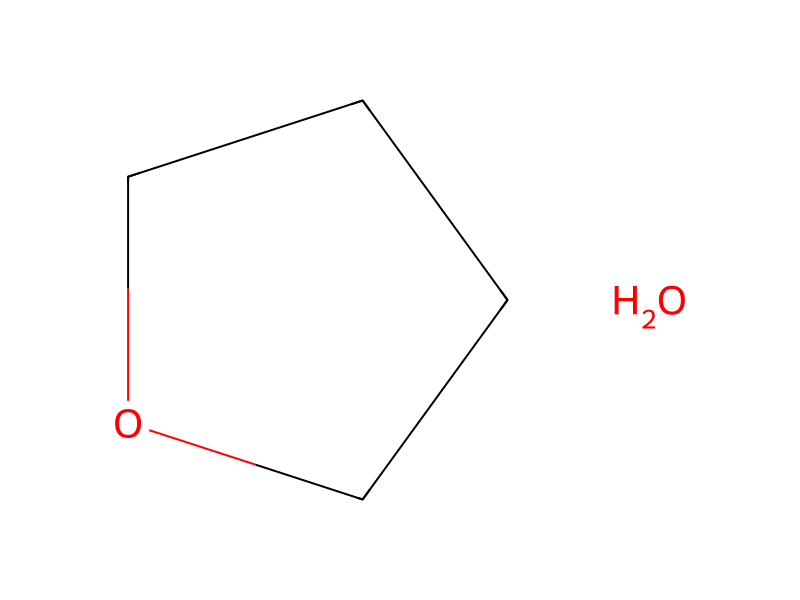
[Br:1][C:2]1[C:10]2[N:9]([CH2:11][C:12]3[CH:17]=[CH:16][C:15]([Cl:18])=[CH:14][CH:13]=3)[C:8]3[CH:19](CC(O)=O)[CH2:20][CH2:21][C:7]=3[C:6]=2[CH:5]=[C:4]([F:26])[CH:3]=1.[N+](=C)=[N-].C(C1C(=O)C(Cl)=C(Cl)C(=[O:35])C=1C#N)#N.C[CH2:45][O:46][C:47]([CH3:49])=[O:48]>C1COCC1.O.[Cl-].[Na+].O>[CH3:45][O:46][C:47](=[O:48])[CH2:49][CH:19]1[C:8]2[N:9]([CH2:11][C:12]3[CH:13]=[CH:14][C:15]([Cl:18])=[CH:16][CH:17]=3)[C:10]3[C:2]([Br:1])=[CH:3][C:4]([F:26])=[CH:5][C:6]=3[C:7]=2[C:21](=[O:35])[CH2:20]1Participants
7