HomeMCPWorkbenchSkills
HomeWorkbenchNotificationsMe
llms.txt · MCP GuidePrivacy Policy · Terms of Service · Supportv1.8.3
  1. Home
  2. /Reaction

Chlorotrimethylsilane → 3-(Cyclopentyloxy)-4-methoxyphenylacetonitrile

HRID 1450529
Print

Reaction equation

HRID 1450529 reaction equation
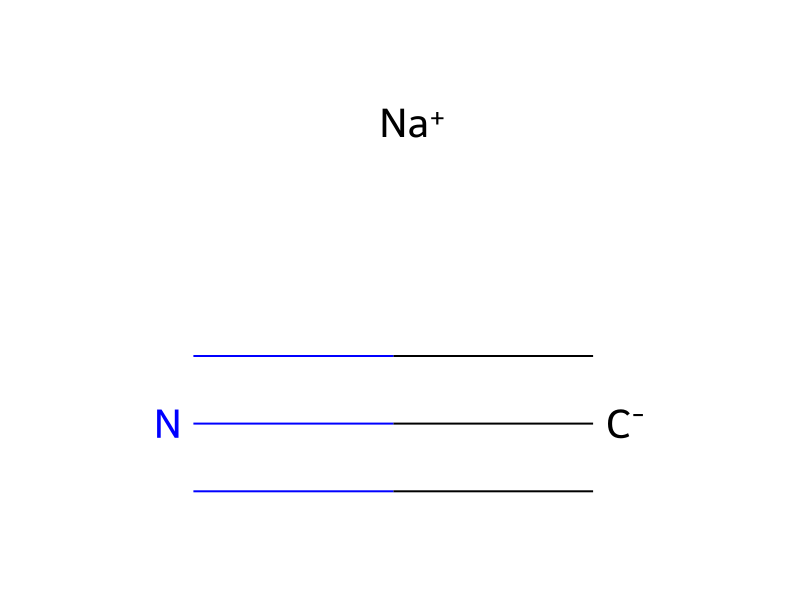
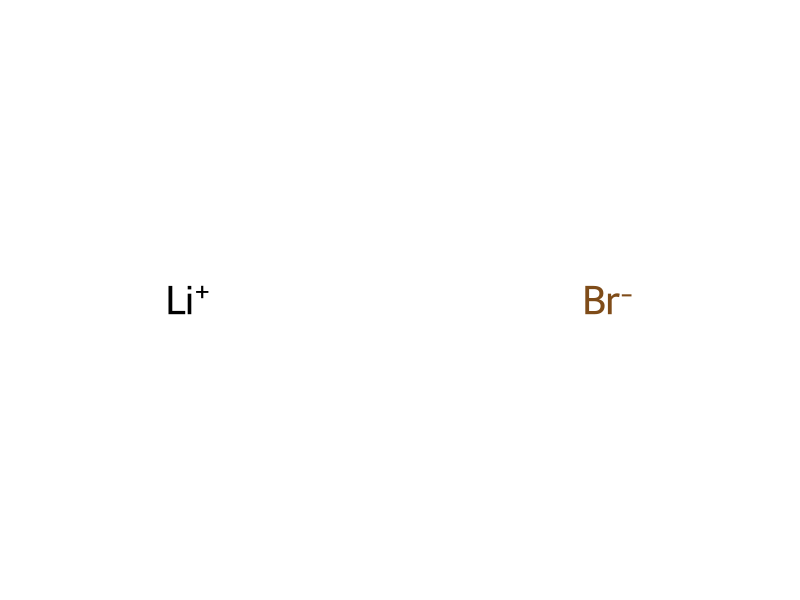
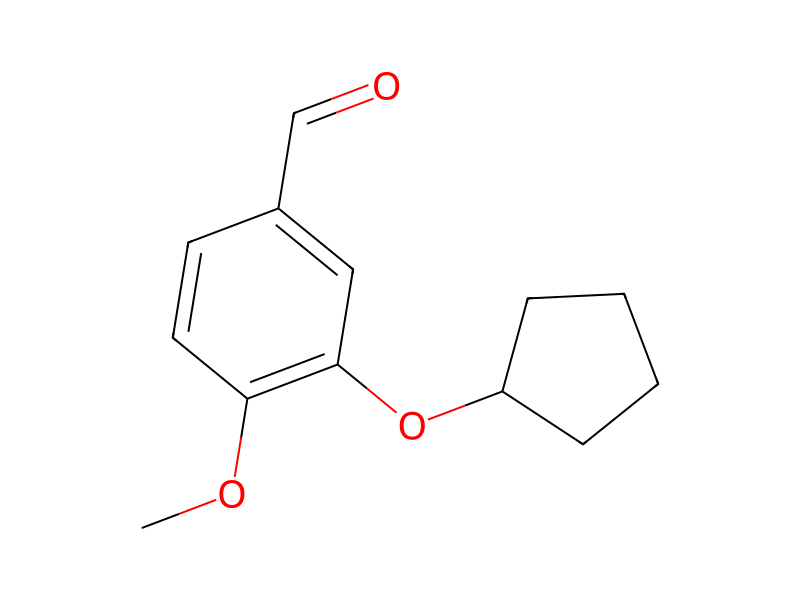
[CH:1]1([O:6][C:7]2[CH:8]=[C:9]([CH:12]=[CH:13][C:14]=2[O:15][CH3:16])[CH:10]=O)[CH2:5][CH2:4][CH2:3][CH2:2]1.[Br-].[Li+].C[Si](Cl)(C)C.C[SiH](C)O[SiH](C)C.BrCC1C=CC(OC)=C(OC2CCCC2)C=1.[C-:47]#[N:48].[Na+]>C(#N)C.CN(C)C=O.O>[CH:1]1([O:6][C:7]2[CH:8]=[C:9]([CH2:10][C:47]#[N:48])[CH:12]=[CH:13][C:14]=2[O:15][CH3:16])[CH2:5][CH2:4][CH2:3][CH2:2]1
ParticipantsConditionsProcedureWorkupSources & evidenceReaction notes

Participants

10

Reactant 6

HCID 6397ChlorotrimethylsilaneHCID 8929Sodium CyanideHCID 186591,1,3,3-Tetramethyl-disiloxaneHCID 82050Lithium BromideHCID 27358933-Cyclopentyloxy-4-methoxybenzaldehydeHCID 235035444-(Bromomethyl)-2-(cyclopentyloxy)-1-methoxybenzene

Product 1

HCID 10728228
3-(Cyclopentyloxy)-4-methoxyphenylacetonitrile
Yield 84.3%

Reagents, catalysts & solvents 3

HCID 962WaterSolventHCID 6228DimethylformamideSolventHCID 6342AcetonitrileSolvent

Conditions

Temperature
0 °C

Procedure

To a solution of 3-cyclopentyloxy-4-methoxybenzaldehyde (20 g, 90.8 mmol) in acetonitrile (100 mL) was added lithium bromide (15 g, 173 mmol) followed by the dropwise addition of trimethylsilylchloride (17.4 mL, 137 mmol). After 15 min, the reaction mixture was cooled to 0° C., 1,1,3,3-tetramethyldisiloxane (26.7 mL, 151 mmol) was added dropwise and the resulting mixture was allowed to warm to room temperature. After stirring for 3 h, the mixture was separated into two layers. The lower layer was removed, diluted with methylene chloride and filtered through Celite. The filtrate was concentrated under reduced pressure, dissolved in methylene chloride and refiltered. The solvent was removed in vacuo to provide a light tan oil. To a solution of this crude a-bromo-3-cyclopentyloxy-4-methoxytoluene in dimethylformamide (160 mL) under an argon atmosphere was added sodium cyanide (10.1 g, 206 mmol) and the resulting mixture was stirred at room temperature for 18 h, then poured into cold water (600 mL) and extracted three times with ether. The organic extract was washed three times with water, once with brine and was dried (potassium carbonate). The solvent was removed in vacuo and the residue was purified by flash chromatography, eluting with 10% ethyl acetate/hexanes, to provide an off-white solid (17.7 g, 84%): m.p. 32°-34° C.; an additional quantity (1.3 g) of slightly impure material also was isolated.

Workup

  1. temperatureto warm to room temperature
  2. customthe mixture was separated into two layers
  3. customThe lower layer was removed
  4. additiondiluted with methylene chloride
  5. filtrationfiltered through Celite
  6. concentrationThe filtrate was concentrated under reduced pressure
  7. dissolutiondissolved in methylene chloride
  8. customThe solvent was removed in vacuo
  9. customto provide a light tan oil
  10. stirringthe resulting mixture was stirred at room temperature for 18 h
  11. extractionextracted three times with ether
  12. extractionThe organic extract
  13. washwas washed three times with water
  14. dry with materialonce with brine and was dried (potassium carbonate)
  15. customThe solvent was removed in vacuo
  16. customthe residue was purified by flash chromatography
  17. washeluting with 10% ethyl acetate/hexanes

Sources & evidence

ORD record
ord-ed921adbc7c641fba5dfbc4cfa306f49
Source dataset
uspto-grants-1997_02
DOI
10.6084/m9.figshare.5104873.v1
Patent number
US05602173

Reaction notes

On this pageParticipantsConditionsProcedureWorkupSources & evidenceReaction notes