HomeMCPSkillsWorkbenchOpenChem
HomeWorkbenchNotificationsMe
llms.txt · skill.md · MCP GuidePrivacy Policy · Terms of Service · Supportv1.8.4
  1. Home
  2. /Reaction

Hydrogen Bromide → Methyl 2-bromo-3-(4-cyclohexylphenyl)propionate

HRID 1460458
Print

Reaction equation

[CH:1]1([C:7]2[CH:13]=[CH:12][C:10](N)=[CH:9][CH:8]=2)[CH2:6][CH2:5][CH2:4][CH2:3][CH2:2]1.[BrH:14].N([O-])=O.[Na+].[C:19]([O:23][CH3:24])(=[O:22])[CH:20]=[CH2:21]>CC(C)=O.O>[Br:14][CH:20]([CH2:21][C:10]1[CH:12]=[CH:13][C:7]([CH:1]2[CH2:6][CH2:5][CH2:4][CH2:3][CH2:2]2)=[CH:8][CH:9]=1)[C:19]([O:23][CH3:24])=[O:22]
ParticipantsConditionsProcedureWorkupSources & evidenceReaction notes

Participants

7

Reactant 4

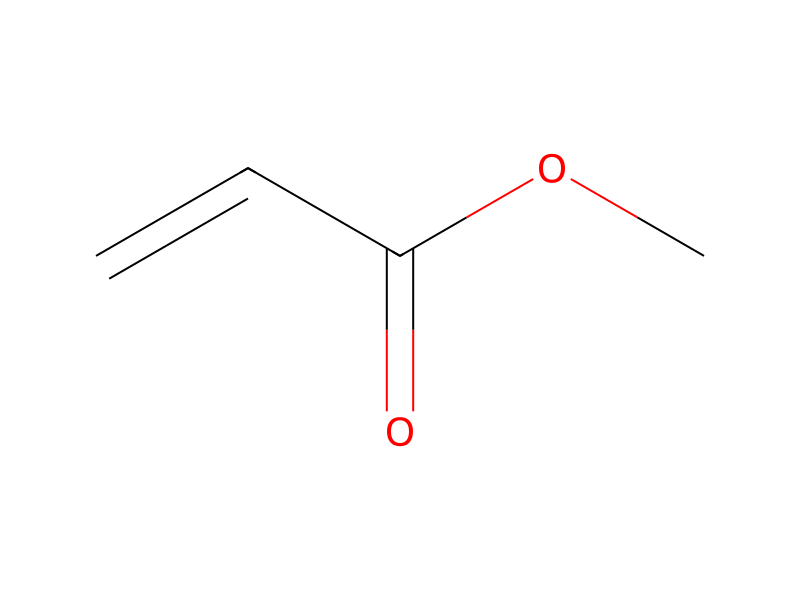
HCID 260Hydrogen BromideHCID 7294Methyl AcrylateHCID 807644-CyclohexylbenzenamineHCID 23668193Sodium Nitrite

Product 1

HCID 19981874Methyl 2-bromo-3-(4-cyclohexylphenyl)propionate

Reagents, catalysts & solvents 2

HCID 180Acetone
Solvent
HCID 962WaterSolvent

Conditions

Temperature
5 °C

Procedure

In acetone (400 ml) was dissolved 4-cyclohexylaniline (50 g) followed by addition of 47% aqueous HBr (147 g). Then, a solution of NaNO2 (21.6 g) in water (30 ml) was added dropwise at 0°-5° C. and the mixture was stirred at 5° C. for an additional 30 minutes. Thereafter, the reaction mixture was warmed to 15° C. and methyl acrylate (147 g) was added. With vigorous stirring, Cu2O (1 g) was added in small portions, whereupon an exothermic reaction took place to liberate a nitrogen gas. After the evolution of nitrogen gas had subsided, the reaction mixture was further stirred for 2 hours and, then, concentrated. The residue was diluted with water and extracted with ethyl acetate. The ethyl acetate layer was washed with water, dried (MgSO4) and the solvent was distilled off to give methyl 2-bromo-3-(4-cyclohexylphenyl)propionate as a crude oil (91 g, yield 98%).


Workup

  1. temperatureThereafter, the reaction mixture was warmed to 15° C.
  2. stirringthe reaction mixture was further stirred for 2 hours
  3. concentrationconcentrated
  4. additionThe residue was diluted with water
  5. extractionextracted with ethyl acetate
  6. washThe ethyl acetate layer was washed with water
  7. dry with materialdried (MgSO4)
  8. distillationthe solvent was distilled off

Sources & evidence

ORD record
ord-97fd3acf57234cd88155b94bb0f74408
Source dataset
uspto-grants-1991_12
DOI
10.6084/m9.figshare.5104873.v1
Patent number
US05071841

Reaction notes

On this pageParticipantsConditionsProcedureWorkupSources & evidenceReaction notes