Reaction equation

[CH3:1][C:2]([C:4]1[C:9]([F:10])=[CH:8][C:7]([Br:11])=[C:6]([F:12])[CH:5]=1)=[O:3].[C:13](=O)([O:17]CC)[O:14][CH2:15][CH3:16].[H-].[Na+]>>[Br:11][C:7]1[C:6]([F:12])=[CH:5][C:4]([C:2]([CH2:1][C:13]([O:14][CH2:15][CH3:16])=[O:17])=[O:3])=[C:9]([F:10])[CH:8]=1Participants
4
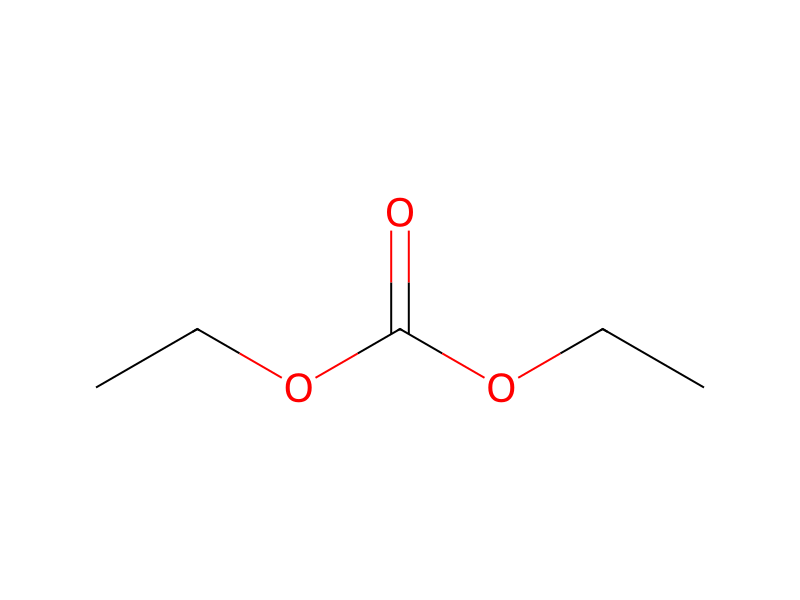



Conditions
- Temperature
- 80 °C
Procedure
To a stirred mixture of 18 g 4-bromo-2,5-difluoroacetophenone and 233 ml diethyl carbonate cooled in an ice-bath was slowly added 6.4 g sodium hydride (60% in oil). The reaction mixture was heated at 80° C. for 90 min. and then added to 700 ml ice containing 25 ml acetic acid. The aqueous mixture was extracted with ether, and the ether extracts were washed with sodium chloride solution, dried (magnesium sulfate) and concentrated. The residue was distilled, collecting the material (15.33 g) boiling at 85°-135° C. (0.05 mm). The latter material was chromatographed on 185 g silica gel (Kieselgel 60) using 20% ether in hexane as eluant to give 6.69 g ethyl 4-bromo-2,5-difluorobenzoylacetate as the first product to be eluted.
Workup
- temperaturecooled in an ice-bath
- extractionThe aqueous mixture was extracted with ether
- washthe ether extracts were washed with sodium chloride solution
- dry with materialdried (magnesium sulfate)
- concentrationconcentrated
- distillationThe residue was distilled
- customcollecting the material (15.33 g) boiling at 85°-135° C. (0.05 mm)
- customThe latter material was chromatographed on 185 g silica gel (Kieselgel 60)
Sources & evidence
- ORD record
- ord-682d2dec772a4cda9c651257759b7e3b
- Source dataset
- uspto-grants-1991_12
- Patent number
- US05075319
Linked notes
Loading…