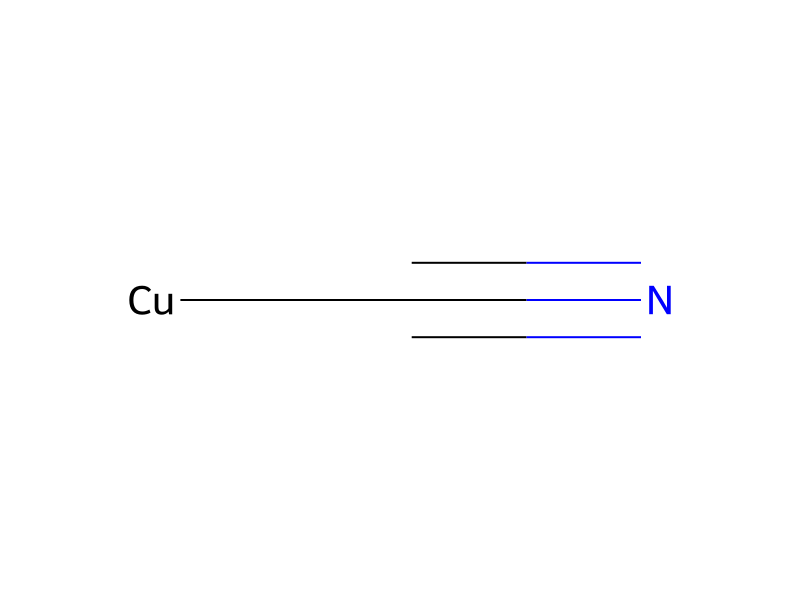
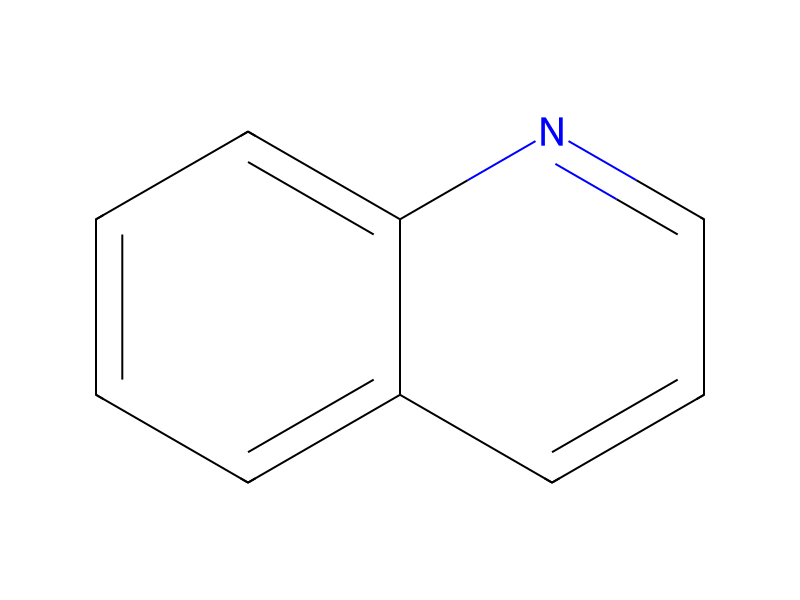
Copper(I)cyanide (80 mg) was added to a solution of 5-bromo-4-trifluoromethylpyrimidin-6-one (150 mg) in quinoline (5 ml). The reaction mixture was then heated to the reflux temperature for a period of 3 hours. After cooling to the ambient temperature, the reaction mixture was pured into dilute agueous acetic acid, and extracted into ethyl acetate. After drying, evaporation of the solvent under reduced pressure gave a brown oil, which was subjected to chromatography on silica gel plates using ethylacetate containing acetic acid and water (250:5:1 by volume) as eluent. The desired fraction was collected, and the brown solid thus isolated was identified as a phenolic salt. This material was dissolved in ethanol, and acidified with ethanolic hydrogen chloride. Evaporation of the solvent under reduced pressure gave a brown solid which was dissolved in diethyl ether and filtered. Evaporation of the solvent under reduced pressure gave 5-cyano-4-trifluoromethyl-pyrimidin-6-one as a brown solid.