Acetone → Ethyl dioxovalerate
HRID 1463479
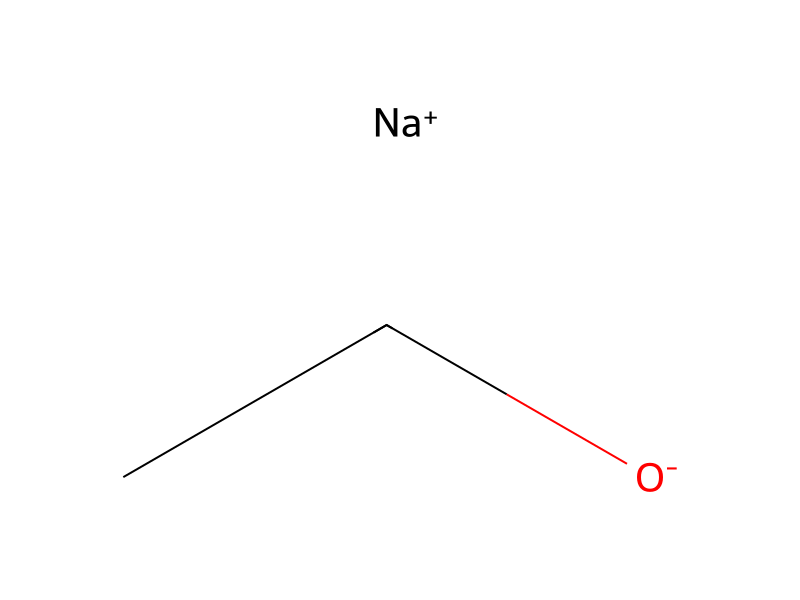
Reaction equation

[CH:1]1[C:6](=O)C=C(C(O)=O)[O:3][C:2]=1C(O)=O.C(O[C:17](=[O:23])[C:18]([O:20][CH2:21][CH3:22])=[O:19])C.CC(C)=O.[O-]CC.[Na+]>>[O:3]=[C:2]([CH2:1][CH3:6])[C:17](=[O:23])[C:18]([O:20][CH2:21][CH3:22])=[O:19]Participants
5




Procedure
Riegel, Zwilgmeyer, Organic Syntheses Coll., Vol. II, 126 (1943) and Huang et al. CA 98(3):16549v describe the preparation of chelidonic acid. In a first step rapid addition of 1.03 equivalents of diethyloxalate and 1 equivalent of acetone to a slight excess of sodium ethoxide yields ethyl dioxovalerate as the major product. In a second step another equivalent of diethyloxalate and hot sodium ethoxide solution is quickly added to the reaction causing a Claisen condensation with ethyl dioxovalerate. Acetone diethyloxalate ester is formed and exists as a disodium complex. In a third step ethanol is distilled off resulting in a cake-like product. In a further step, disodium acetone diethyloxalate complex is converted to its hydrogenated form by rapid, cold neutralization with hydrochloric acid. In a fifth step the neutralized acetone diethyloxalate is returned to the reactor after filtering and another equivalent of HCl added to promote cyclization and refluxed. The resulting chelidonic acid is cold filtered.