HomeMCPWorkbenchSkills
HomeWorkbenchNotificationsMe
llms.txt · MCP GuidePrivacy Policy · Terms of Service · Supportv1.8.3
  1. Home
  2. /Reaction

Pentaerythritol Tetranitrate → 4-Nitroanisole

HRID 1464889
Print

Reaction equation

HRID 1464889 reaction equation
C(C1(CCCCCCCC)C2C=CC=CC=2C2C1=CC=CC=2)CCCCCCC.[C:30]1([O:36][CH3:37])[CH:35]=[CH:34][CH:33]=[CH:32][CH:31]=1.[CH3:38][O:39][C:40]1[CH:45]=[CH:44][CH:43]=[CH:42][C:41]=1OC.[CH2:48]1[N:53]([N+:54]([O-:56])=[O:55])[CH2:52][N:51]([N+:57]([O-:59])=[O:58])[CH2:50][N:49]1[N+:60]([O-:62])=[O:61].[CH2:63]([O:80][N+:81]([O-:83])=[O:82])[C:64]([CH2:75][O:76][N+:77]([O-:79])=[O:78])([CH2:70][O:71][N+:72]([O-:74])=[O:73])[CH2:65][O:66][N+:67]([O-:69])=[O:68]>C1COCC1.C(#N)C>[C:30]1([O:36][CH3:37])[CH:35]=[CH:34][CH:33]=[CH:32][CH:31]=1.[CH2:50]1[N:49]([N+:60]([O-:62])=[O:61])[CH2:48][N:53]([N+:54]([O-:56])=[O:55])[CH2:52][N:51]1[N+:57]([O-:59])=[O:58].[CH2:75]([O:76][N+:77]([O-:79])=[O:78])[C:64]([CH2:65][O:66][N+:67]([O-:69])=[O:68])([CH2:63][O:80][N+:81]([O-:83])=[O:82])[CH2:70][O:71][N+:72]([O-:74])=[O:73].[N+:54]([C:43]1[CH:44]=[CH:45][C:40]([O:39][CH3:38])=[CH:41][CH:42]=1)([O-:56])=[O:55]
ParticipantsProcedureWorkupSources & evidenceReaction notes

Participants

11

Reactant 5

HCID 6518Pentaerythritol Tetranitrate2×HCID 7043VeratroleHCID 7519AnisoleHCID 8490Cyclonite2×HCID 162138639,9-Dioctyl-9H-fluorene3×

Product 4

HCID 6518Pentaerythritol Tetranitrate
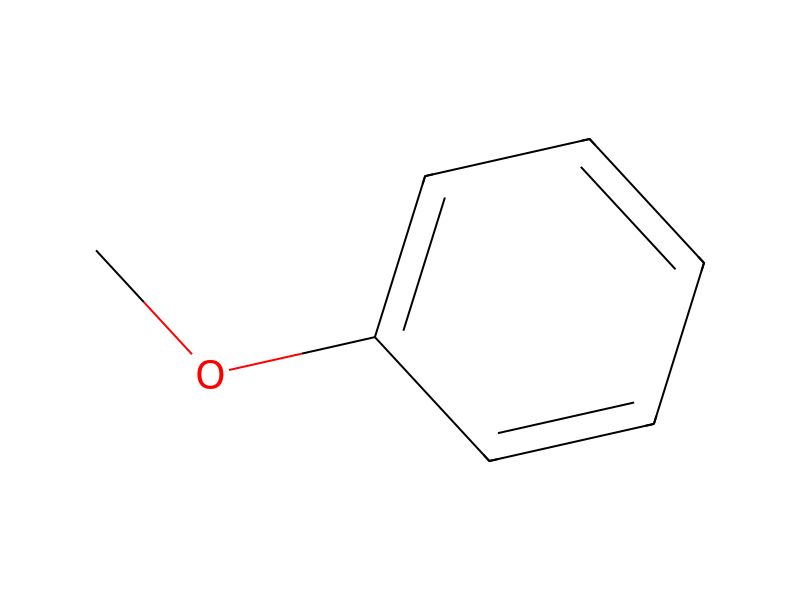
HCID 74854-NitroanisoleYield 1%
HCID 7519Anisole
HCID 8490Cyclonite

Reagents, catalysts & solvents 2

HCID 6342AcetonitrileSolventHCID 8028TetrahydrofuranSolvent

Procedure

To probe the scope of the photonitration reaction, the nitration of 9,9-dioctylfluorene, anisole and 1,2-dimethoxybenzene by RDX and PETN was investigated. Extended photolysis (5 h) of a mixture of 9,9-dioctylfluorene and either RDX or PETN in 1:1 acetonitrile:THF at either 254, 313, 334, or 356 nm did not generate any observable products and 9,9-dioctylfluorene was recovered in ca. 90% yield. Photolysis of anisole with RDX or PETN yielded only trace amounts of 4-nitroanisole (<1% GC yield) after 4 hours. Photolysis of 1,2-dimethoxybenzene with either RDX or PETN yielded 1,2-dimethoxy-4-nitrobenzene in only ca. 8% yield after 2 hours; moreover this reaction did not proceed cleanly and numerous polar photoproducts were observed. Based on this set of experiments, anilines were selected as candidates for potential indicators. To create fluorogenic indicators based on the facile nitration reaction between aromatic amines and the photofragmentation products of RDX and PETN, 9,9-disubstituted 9,10-dihydroacridines (DHAs) were targeted as chemosensory.

Workup

  1. customthe scope of the photonitration reaction
  2. customwas recovered in ca. 90% yield

Sources & evidence

ORD record
ord-119730a219b044019552533df9a4b658
Source dataset
uspto-grants-2015_04
DOI
10.6084/m9.figshare.5104873.v1
Patent number
US08999722B2

Reaction notes

On this pageParticipantsProcedureWorkupSources & evidenceReaction notes