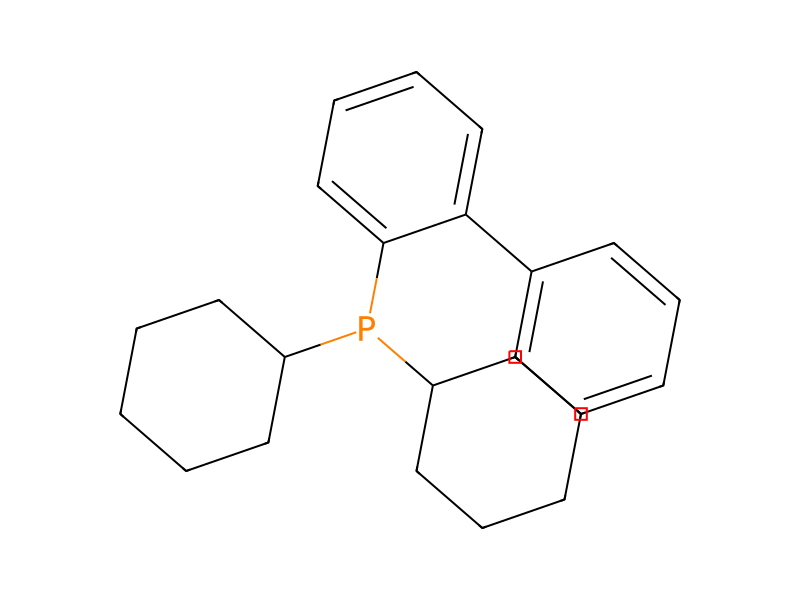
Br[C:2]1[CH:3]=[C:4]([C:9]([O:12][CH3:13])=[CH:10][N:11]=1)[C:5]([O:7][CH3:8])=[O:6].C[Si]([N-:18][Si](C)(C)C)(C)C.[Li+].Cl.[OH-].[Na+]>C1(C)C=CC=CC=1.C1C=CC(/C=C/C(/C=C/C2C=CC=CC=2)=O)=CC=1.C1C=CC(/C=C/C(/C=C/C2C=CC=CC=2)=O)=CC=1.C1C=CC(/C=C/C(/C=C/C2C=CC=CC=2)=O)=CC=1.[Pd].[Pd].C1(P(C2CCCCC2)C2C=CC=CC=2C2C=CC=CC=2)CCCCC1.C(OCC)C>[NH2:18][C:2]1[CH:3]=[C:4]([C:9]([O:12][CH3:13])=[CH:10][N:11]=1)[C:5]([O:7][CH3:8])=[O:6]Tris(dibenzylideneacetone)dipalladium(0) (9.30 mg, 0.0102 mmol), 2-(dicyclohexylphosphino)biphenyl (3.56 mg, 0.0102 mmol), and methyl 2-bromo-5-methoxyisonicotinate (50 mg, 0.203 mmol) obtained in step 2 were suspended in toluene (0.5 mL), and the suspension was stirred at room temperature for 3 hours after adding lithium bis(trimethylsilyl)amide (1 mol/L THF solution) (0.224 mL, 0.224 mmol). The reaction mixture was stirred at room temperature for 10 minutes after adding diethyl ether (10 mL) and 1 mol/L hydrochloric acid (0.1 mL). Then, a 1 mol/L sodium hydroxide aqueous solution (5.0 mL) was added to the mixture, and the mixture was extracted with diethyl ether. The organic layer was washed with water and saturated brine, and dried over anhydrous sodium sulfate. The solvent was then evaporated under reduced pressure. The residue was purified by preparative thin-layer chromatography (chloroform/methanol=9/1) to give methyl 2-amino-5-methoxyisonicotinate (20.0 mg, yield 54%).
Loading…