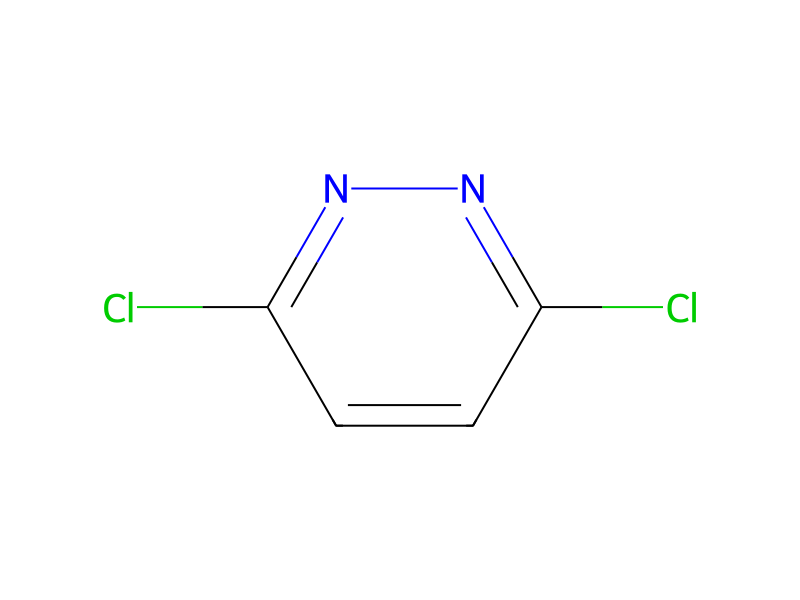
3,6-Dichloropyridazine → 3-Chloro-6-(2-fluoro-4-methylphenyl)pyridazine
HRID 1471460
Reaction equation

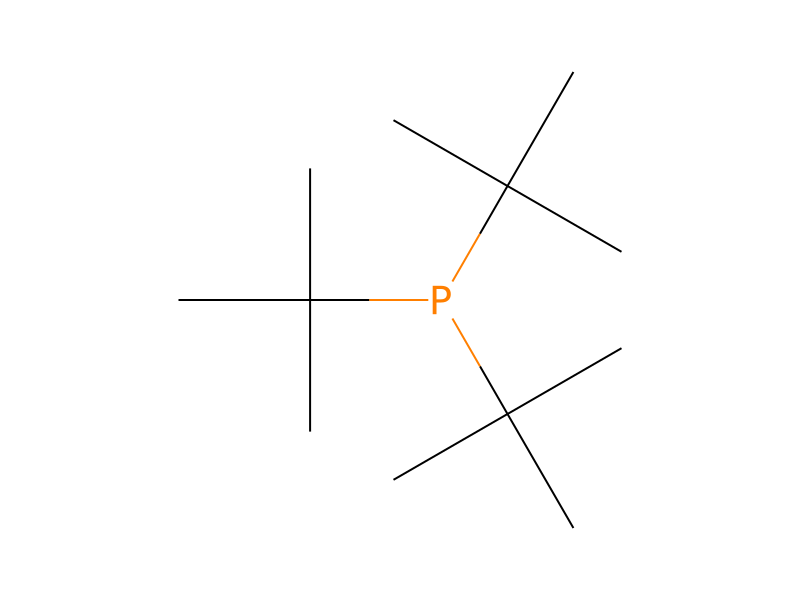
[Cl:1][C:2]1[N:3]=[N:4][C:5](Cl)=[CH:6][CH:7]=1.P(C(C)(C)C)(C(C)(C)C)C(C)(C)C.[F-].[K+].[F:24][C:25]1[CH:30]=[C:29]([CH3:31])[CH:28]=[CH:27][C:26]=1B(O)O>O1CCOCC1.C1C=CC(/C=C/C(/C=C/C2C=CC=CC=2)=O)=CC=1.C1C=CC(/C=C/C(/C=C/C2C=CC=CC=2)=O)=CC=1.C1C=CC(/C=C/C(/C=C/C2C=CC=CC=2)=O)=CC=1.[Pd].[Pd]>[Cl:1][C:2]1[N:3]=[N:4][C:5]([C:26]2[CH:27]=[CH:28][C:29]([CH3:31])=[CH:30][C:25]=2[F:24])=[CH:6][CH:7]=1Participants
7