HomeMCPSkillsWorkbenchOpenChem
HomeWorkbenchNotificationsMe
llms.txt · skill.md · MCP GuidePrivacy Policy · Terms of Service · Supportv1.8.5
  1. Home
  2. /Reaction

Sodium hydride → 5-Bromo-2-chloro-N,N-bis(4-methoxybenzyl)aniline

HRID 1476059
Print

Reaction equation

[H-].[Na+].[Br:3][C:4]1[CH:5]=[CH:6][C:7]([Cl:11])=[C:8]([CH:10]=1)[NH2:9].[CH3:12][O:13][C:14]1[CH:21]=[CH:20][C:17]([CH2:18]Cl)=[CH:16][CH:15]=1>C1COCC1>[Br:3][C:4]1[CH:5]=[CH:6][C:7]([Cl:11])=[C:8]([CH:10]=1)[N:9]([CH2:18][C:17]1[CH:20]=[CH:21][C:14]([O:13][CH3:12])=[CH:15][CH:16]=1)[CH2:18][C:17]1[CH:20]=[CH:21][C:14]([O:13][CH3:12])=[CH:15][CH:16]=1
ParticipantsConditionsProcedureWorkupSources & evidenceReaction notes

Participants

5

Reactant 3

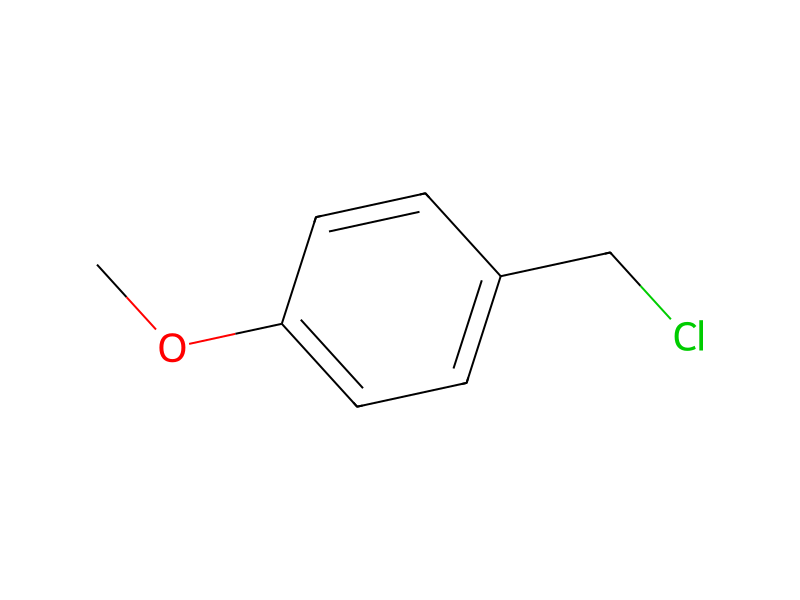
HCID 24758Sodium hydrideHCID 699934-Methyloxybenzyl chlorideHCID 38307312-Chloro-5-bromoaniline

Product 1

HCID 582882515-Bromo-2-chloro-N,N-bis(4-methoxybenzyl)aniline

Reagents, catalysts & solvents 1

HCID 8028TetrahydrofuranSolvent2×

Conditions

Temperature
0 °C

Procedure

Under argon, 5.07 g (126.93 mmol, 60%) of sodium hydride were suspended in 150 ml of THF, and the mixture was cooled to 0° C. 10.70 g (51.81 mmol) of 5-bromo-2-chloroaniline dissolved in 10 ml of THF were then slowly added dropwise, and the mixture was stirred at 0° C. for 30 min. 25 g (124.34 mmol) of 4-methoxybenzyl chloride were then added to the reaction mixture, and the mixture was subsequently warmed to room temperature. The mixture was stirred at RT for 2 h and then slowly poured onto 150 ml of ice-water. The organic phase was separated off, and the aqueous phase was extracted three more times with ethyl acetate. The combined organic phases were dried over sodium sulphate. After filtration, the solvent was removed under reduced pressure. The crude product was purified chromatographically [column: Kromasil Si 6012, 350 mm×30 mm; mobile phase A: isohexane, mobile phase B: ethyl acetate; gradient: 0 min 98% A→4.65 min 98% A→13 min 87% A→13.01 min 98% A→13.28 min 98% A; flow rate: 70 ml/min; temperature: 20° C.; UV detection: 265 nm]. This gave 12.37 g (27.69 mmol, 57% of theory) of the title compound.


Workup

  1. additionwere then slowly added dropwise
  2. temperaturethe mixture was subsequently warmed to room temperature
  3. stirringThe mixture was stirred at RT for 2 h
  4. customThe organic phase was separated off
  5. extractionthe aqueous phase was extracted three more times with ethyl acetate
  6. dry with materialThe combined organic phases were dried over sodium sulphate
  7. filtrationAfter filtration
  8. customthe solvent was removed under reduced pressure
  9. customThe crude product was purified chromatographically [column: Kromasil Si 6012, 350 mm×30 mm; mobile phase A: isohexane, mobile phase B: ethyl acetate; gradient: 0 min 98% A→4.65 min 98% A→13 min 87% A→13.01 min 98% A→13.28 min 98% A; flow rate: 70 ml/min; temperature: 20° C.; UV detection: 265 nm]

Sources & evidence

ORD record
ord-5bf862720b7442febdb92c240cf8d41e
Source dataset
uspto-grants-2015_04
DOI
10.6084/m9.figshare.5104873.v1
Patent number
US09018414B2

Reaction notes

On this pageParticipantsConditionsProcedureWorkupSources & evidenceReaction notes