HomeMCPSkillsWorkbenchOpenChem
HomeWorkbenchNotificationsMe
llms.txt · skill.md · MCP GuidePrivacy Policy · Terms of Service · Supportv1.8.4
  1. Home
  2. /Reaction

Isobutyryl chloride → Ethyl 2-(4-hexylphenyl)-4-methyl-3-oxopentanoate

HRID 1504273
Print

Reaction equation

[CH2:1]([C:7]1[CH:12]=[CH:11][C:10]([CH2:13][C:14]([O:16][CH2:17][CH3:18])=[O:15])=[CH:9][CH:8]=1)[CH2:2][CH2:3][CH2:4][CH2:5][CH3:6].C(NC(C)C)(C)C.[Li].[C:27](Cl)(=[O:31])[CH:28]([CH3:30])[CH3:29]>O1CCCC1.CCCCCC.O1CCCC1>[CH2:1]([C:7]1[CH:12]=[CH:11][C:10]([CH:13]([C:27](=[O:31])[CH:28]([CH3:30])[CH3:29])[C:14]([O:16][CH2:17][CH3:18])=[O:15])=[CH:9][CH:8]=1)[CH2:2][CH2:3][CH2:4][CH2:5][CH3:6]
ParticipantsConditionsProcedureWorkupSources & evidenceReaction notes

Participants

6

Reactant 3

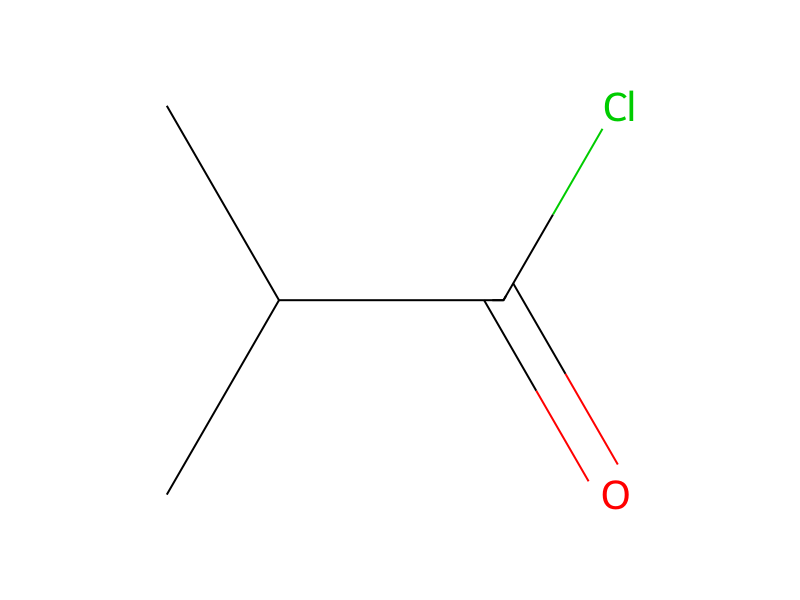
HCID 62325Isobutyryl chlorideHCID 3703215Ethyl 2-(4-hexylphenyl)acetateHCID 45051747Lithium diisopropylamine

Product 1

HCID 86697457Ethyl 2-(4-hexylphenyl)-4-methyl-3-oxopentanoateYield 70.5%

Reagents, catalysts & solvents 2

HCID 8028TetrahydrofuranSolvent
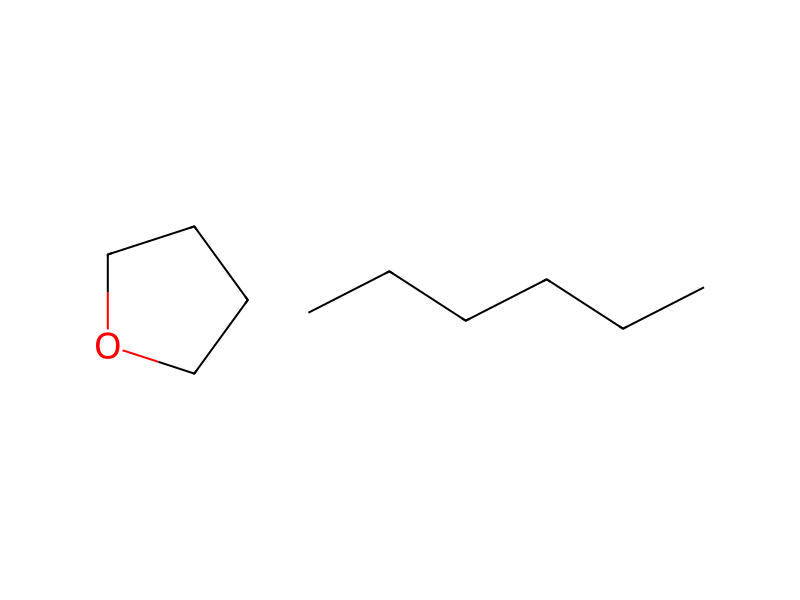
HCID 21883165
Tetrahydrofuran hexane
Solvent

Conditions

Temperature
-60 °C

Procedure

6.0 g (24 mmol) of ethyl 2-(4-hexylphenyl)acetate was dissolved in 130 mL of dry tetrahydrofuran under a nitrogen atmosphere and cooled to −60° C. After addition of 31.8 mL (36.2 mmol) of 1.14 M solution of lithiumdiisopropylamine in hexane/tetrahydrofuran, the solution was warmed to 0° C. and stirred for 1 hour. The reaction solution was cooled to −60° C. again and stirred with 3.6 g (34 mmol) of isobutyryl chloride at −60° C. to room temperature for 15 hours. The reaction was quenched with saturated aqueous sodium hydrogen carbonate (150 ml), and the reaction solution was extracted with ethyl acetate. The organic layer was dried over anhydrous magnesium sulfate and filtered, and the filtrate was concentrated under reduced pressure. The resulting residue was purified by silica gel column chromatography using ethyl acetate:hexane (0:100 to 1:9) as the eluent to give 5.39 g of the desired product as a pale yellow oil.

Workup

  1. temperaturethe solution was warmed to 0° C.
  2. temperatureThe reaction solution was cooled to −60° C. again
  3. customThe reaction was quenched with saturated aqueous sodium hydrogen carbonate (150 ml)
  4. extractionthe reaction solution was extracted with ethyl acetate
  5. dry with materialThe organic layer was dried over anhydrous magnesium sulfate
  6. filtrationfiltered
  7. concentrationthe filtrate was concentrated under reduced pressure
  8. customThe resulting residue was purified by silica gel column chromatography

Sources & evidence

ORD record
ord-98341bbeb27243a78aad9c9f1221762f
Source dataset
uspto-grants-2015_12
DOI
10.6084/m9.figshare.5104873.v1
Patent number
US09212348B2

Reaction notes

On this pageParticipantsConditionsProcedureWorkupSources & evidenceReaction notes