HomeMCPWorkbenchSkills
HomeWorkbenchNotificationsMe
llms.txt · MCP GuidePrivacy Policy · Terms of Service · Supportv1.8.3
  1. Home
  2. /Reaction

Ethyl Acetate → HCID 178455224, compound

HRID 1506162
Print

Reaction equation

HRID 1506162 reaction equation
[Si:1]([O:8][CH2:9][CH:10]1[CH2:15][CH2:14][CH:13]([C:16]([C:18]2[C:19]3[CH:26]=[CH:25][NH:24][C:20]=3[N:21]=[CH:22][N:23]=2)=O)[CH2:12][CH2:11]1)([C:4]([CH3:7])([CH3:6])[CH3:5])([CH3:3])[CH3:2].O.[NH2:28][NH2:29].C(OCC)(=O)C>CO.[O-2].[Mn+4].[O-2]>[Si:1]([O:8][CH2:9][C@@H:10]1[CH2:15][CH2:14][C@H:13]([C:16]2[N:28]=[N:29][N:23]3[C:18]=2[C:19]2[CH:26]=[CH:25][NH:24][C:20]=2[N:21]=[CH:22]3)[CH2:12][CH2:11]1)([C:4]([CH3:7])([CH3:6])[CH3:5])([CH3:3])[CH3:2].[Si:1]([O:8][CH2:9][C@H:10]1[CH2:15][CH2:14][C@H:13]([C:16]2[N:28]=[N:29][N:23]3[C:18]=2[C:19]2[CH:26]=[CH:25][NH:24][C:20]=2[N:21]=[CH:22]3)[CH2:12][CH2:11]1)([C:4]([CH3:7])([CH3:6])[CH3:5])([CH3:3])[CH3:2]


ParticipantsConditionsProcedureWorkupSources & evidenceReaction notes

Participants

7

Reactant 3

HCID 8857Ethyl AcetateHCID 24654Hydrazine hydrate (1:1)HCID 71258497(4-{[(tert-Butyldimethylsilyl)oxy]methyl}cyclohexyl)(7H-pyrrolo[2,3-d]pyrimidin-4-yl)methanone

Product 2

HCID 178455223HCID 178455223, compoundYield 7%HCID 178455224HCID 178455224, compoundYield 52%

Reagents, catalysts & solvents 2

HCID 178418406HCID 178418406, compoundCatalystHCID 887MethanolSolvent

Conditions

Temperature
80 °C

Procedure

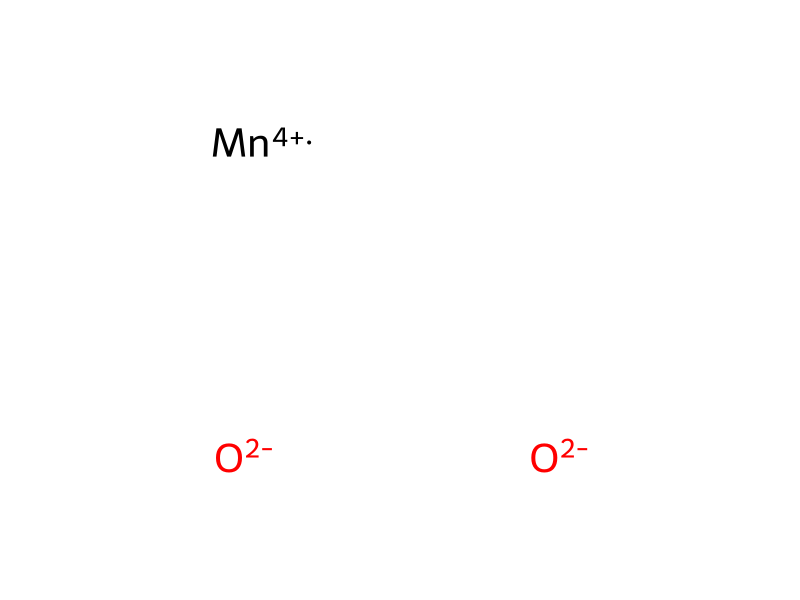
(4-{[(tert-Butyldimethylsilyl)oxy]methyl}cyclohexyl)(7H-pyrrolo[2,3-d]pyrimidin-4-yl)methanone (9.23 g, 24.7 mmol) in methanol (200 mL) was mixed with hydrazine monohydrate (38.0 mL, 618 mmol) and then stirred at 80° C. for 3 hours. The reaction mixture was allowed to cool to room temperature and mixed with ethyl acetate, washed with water and saturated sodium chloride. The organic layer was dried over anhydrous sodium sulfate and concentrated under reduced pressure. The residue was dissolved in chloroform (240 mL) and mixed with manganese(IV) oxide (10.7 g, 124 mmol). The reaction mixture was stirred at 70° C. for 1 day. The reaction mixture was filtered, and the filtrate was concentrated under reduced pressure. The residue was purified by silica gel chromatography (hexane/ethyl acetate=3/1 (v/v)) to give 1-(cis-4-{[(tert-butyldimethylsilyl)oxy]methyl)}cyclohexyl)-7H-pyrrolo[3,2-e][1,2,3]triazolo[1,5-c]pyrimidine (Reference Synthetic Examplea 135a; pale yellow solid, 670 mg, yield 7%) in a less polar fraction and 1-(trans-4-{[(tert-butyldimethylsilyl)oxy]methyl}cyclohexyl)-7H-pyrrolo[3,2-e][1,2,3]triazolo[1,5-c]pyrimidine (Reference Synthetic Examplea 135b; pale yellow solid, 5.02 g, yield 52%) in a more polar fraction.

Workup

  1. temperatureto cool to room temperature
  2. washwashed with water and saturated sodium chloride
  3. dry with materialThe organic layer was dried over anhydrous sodium sulfate
  4. concentrationconcentrated under reduced pressure
  5. dissolutionThe residue was dissolved in chloroform (240 mL)
  6. stirringThe reaction mixture was stirred at 70° C. for 1 day
  7. filtrationThe reaction mixture was filtered
  8. concentrationthe filtrate was concentrated under reduced pressure
  9. customThe residue was purified by silica gel chromatography (hexane/ethyl acetate=3/1 (v/v))

Sources & evidence

ORD record
ord-7d5b83f19c7f4a86a3295b1884164490
Source dataset
uspto-grants-2015_12
DOI
10.6084/m9.figshare.5104873.v1
Patent number
US09216999B2

Reaction notes

On this pageParticipantsConditionsProcedureWorkupSources & evidenceReaction notes