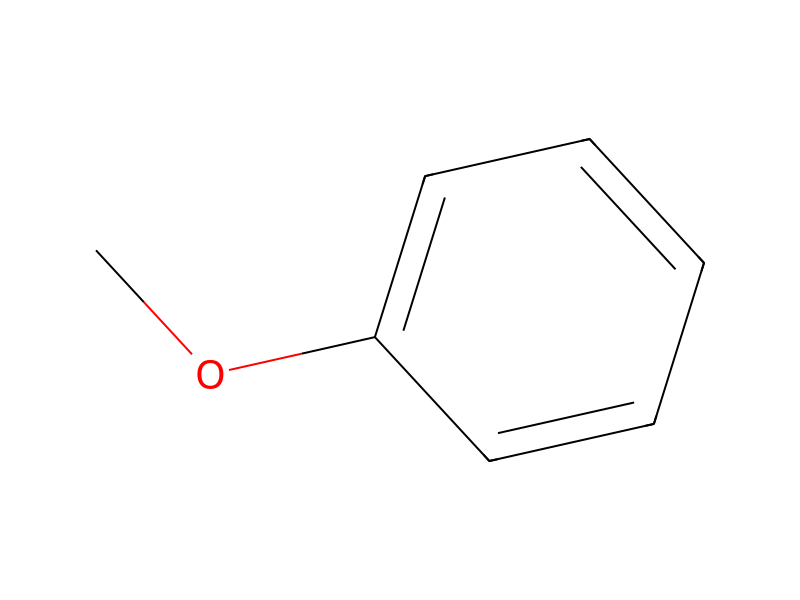
In a dry flask was placed 3,3-dimethylacrylic acid (2.064 ml, 19.98 mmol). Dichloromethane (20 ml) and anisole (4.36 ml, 40.0 mmol) were added. Aluminum chloride (10.65 g, 80 mmol) was added in a single portion. After stirring at room temperature for 10 minutes, the reaction was heated to 65° C. After 2 hours, the reaction was cooled to room temperature and poured carefully onto 150 g of ice and 50 mL of concentrated HCl. The aqueous layer was extracted with CHCl3 (3×50 mL). The combined organics were extracted with water (150 mL) and saturated NaHCO3 (3×75 ml). These aqueous extracts were combined and acidified with 1N HCl. The acidified aqueous solution was extracted with 4×75 mL of Et2O. The Et2O extracts were dried over Mg2SO4, filtered, and concentrated. The residue was purified by flash chromatography on silica gel with 0 to 100% EtOAc/hexanes to afford 3-(4-methoxyphenyl)-3-methylbutanoic acid. 1H NMR (CDCl3, 500 MHz) δ 7.28 (d, J=8.8 Hz, 2H), 6.85 (d, J=8.8 Hz, 2H), 3.79 (s, 3H), 2.62 (s, 2H), 1.45 (s, 6H).