HomeMCPWorkbenchSkills
HomeWorkbenchNotificationsMe
llms.txt · MCP GuidePrivacy Policy · Terms of Service · Supportv1.8.3
  1. Home
  2. /Reaction

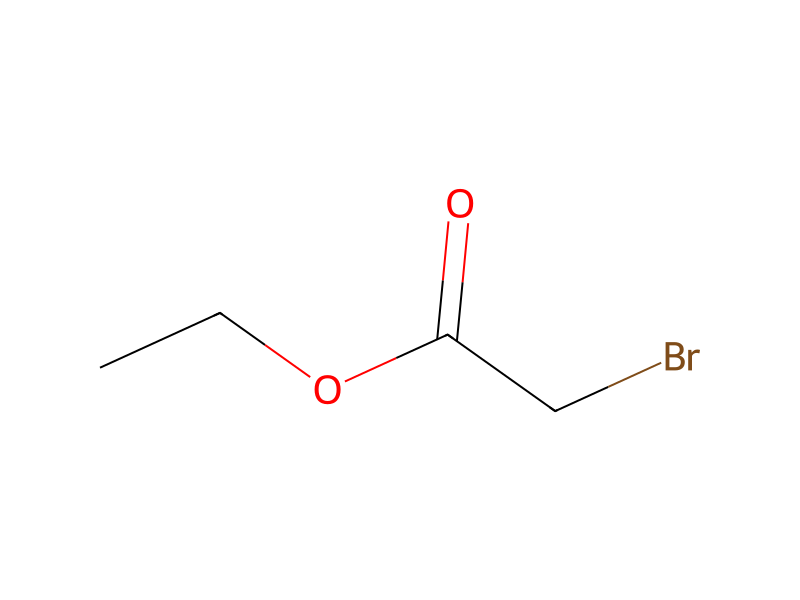
Ethyl bromoacetate → ethyl 2-(6-(4-(1-(tert-butoxycarbonylamino)cyclobutyl)phenyl)-2-oxo-7-phenyl-2,3-dihydro-1H-pyrido[2,3-b][1,4]oxazin-1-yl)acetate

HRID 1509156
Print

Reaction equation

HRID 1509156 reaction equation
[O:1]=[C:2]1[CH2:7][O:6][C:5]2[N:8]=[C:9]([C:18]3[CH:23]=[CH:22][C:21]([C:24]4([NH:28][C:29](=[O:35])[O:30][C:31]([CH3:34])([CH3:33])[CH3:32])[CH2:27][CH2:26][CH2:25]4)=[CH:20][CH:19]=3)[C:10]([C:12]3[CH:17]=[CH:16][CH:15]=[CH:14][CH:13]=3)=[CH:11][C:4]=2[NH:3]1.[H-].[Na+].Br[CH2:39][C:40]([O:42][CH2:43][CH3:44])=[O:41]>CN(C)C=O>[C:31]([O:30][C:29]([NH:28][C:24]1([C:21]2[CH:22]=[CH:23][C:18]([C:9]3[C:10]([C:12]4[CH:13]=[CH:14][CH:15]=[CH:16][CH:17]=4)=[CH:11][C:4]4[N:3]([CH2:39][C:40]([O:42][CH2:43][CH3:44])=[O:41])[C:2](=[O:1])[CH2:7][O:6][C:5]=4[N:8]=3)=[CH:19][CH:20]=2)[CH2:25][CH2:26][CH2:27]1)=[O:35])([CH3:32])([CH3:34])[CH3:33]
ParticipantsConditionsProcedureWorkupSources & evidenceReaction notes

Participants

5

Reactant 3

HCID 7748Ethyl bromoacetateHCID 24758Sodium hydrideHCID 67256382tert-butyl 1-(4-(2-oxo-7-phenyl-2,3-dihydro-1H-pyrido[2,3-b][1,4]oxazin-6-yl)phenyl)cyclobutylcarbamate

Product 1

HCID 86683580ethyl 2-(6-(4-(1-(tert-butoxycarbonylamino)cyclobutyl)phenyl)-2-oxo-7-phenyl-2,3-dihydro-1H-pyrido[2,3-b][1,4]oxazin-1-yl)acetateYield 39%

Reagents, catalysts & solvents 1

HCID 6228DimethylformamideSolvent

Conditions

Temperature
0 °C

Procedure

In a 15 mL reaction tube was added tert-butyl 1-(4-(2-oxo-7-phenyl-2,3-dihydro-1H-pyrido[2,3-b][1,4]oxazin-6-yl)phenyl)cyclobutylcarbamate (50 mg, 0.106 mmol) in anhydrous N,N-dimethylformamide (1 mL) to give a red solution, then cooled to 0° C. under a nitrogen atmosphere. Sodium hydride, 60% in oil (6.4 mg, 0.159 mmol) was added and the mixture stirred at 0° C. for 15 minutes. Ethyl 2-bromoacetate (0.035 mL, 0.318 mmol) was added and the mixture stirred at 0° C. for 30 minutes, allowed to warm to room temperature then stirred for one hour. The reaction mixture was quenched by the addition of saturated ammonium chloride solution (5 mL) and extracted into ethyl acetate (3×3 mL). The organic phase was washed with 50:50 water:brine (2×5 mL) then brine (5 mL), dried over Na2SO4, filtered and concentrated to dryness under reduced pressure. The residue was purified by Biotage chromatography (cyclohexane:ethyl acetate, gradient elution from 88:12 to 0:100) to give the desired product as an off-white solid (22 mg, 39% yield). 1H-NMR (500 MHz, CDCl3) δ 7.13-7.28 (8H, m), 7.37-7.43 (2H, m), 5.24 (1H, br s), 5.18 (2H, s), 4.89 (2H, s), 4.49 (2H, q), 2.40-2.90 (4H, m), 2.21-2.35 (1H, m), 1.90-2.10 (1H, m), 1.20-1.75 (9H, br m), 1.53 (3H, t). LCMS (Method A) RT=7.20 min, M+H+=558.13.

Workup

  1. customIn a 15 mL reaction tube
  2. customto give a red solution
  3. stirringthe mixture stirred at 0° C. for 30 minutes
  4. temperatureto warm to room temperature
  5. stirringthen stirred for one hour
  6. customThe reaction mixture was quenched by the addition of saturated ammonium chloride solution (5 mL)
  7. extractionextracted into ethyl acetate (3×3 mL)
  8. washThe organic phase was washed with 50:50 water
  9. dry with materialbrine (2×5 mL) then brine (5 mL), dried over Na2SO4
  10. filtrationfiltered
  11. concentrationconcentrated to dryness under reduced pressure
  12. customThe residue was purified by Biotage chromatography (cyclohexane:ethyl acetate, gradient elution from 88:12 to 0:100)

Sources & evidence

ORD record
ord-1896d7183624410e95851e5a2b22803d
Source dataset
uspto-grants-2015_12
DOI
10.6084/m9.figshare.5104873.v1
Patent number
US09221838B2

Reaction notes

On this pageParticipantsConditionsProcedureWorkupSources & evidenceReaction notes