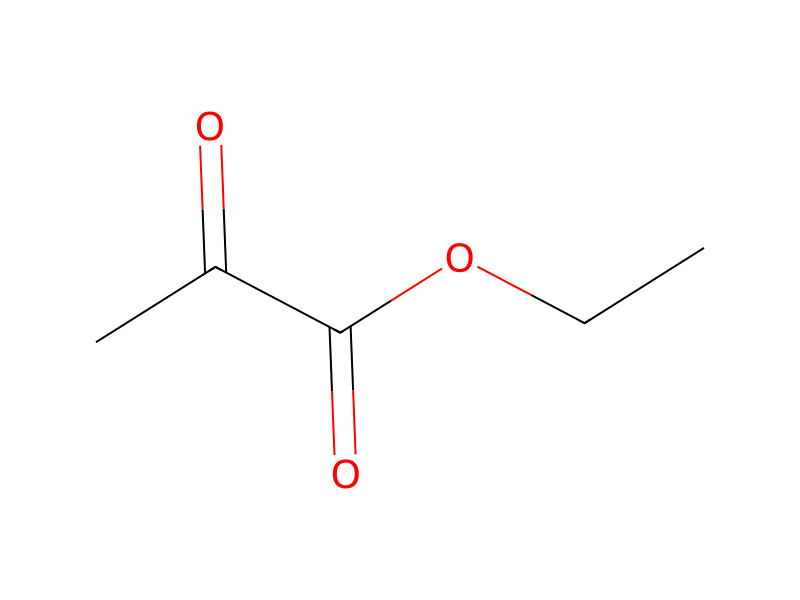
In a flask fitted with a Dean-Stark trap, p-toluenesulfonic acid monohydrate (132 g, 0.69 mol) in 500 ml of benzene was heated at reflux for 2 hours. A solution of 3,5-dimethylphenylhydrazine hydrochloride (34.5 g, 0.2 mol), ethyl pyruvate (23.2 g, 0.2 mol), and p-toluenesulfonic acid monohydrate (0.85 g, 0.005 mol) in 500 ml of benzene, which had been refluxed for 2 hours with water removed through a Dean-Stark apparatus was then added. The resulting mixture was heated at reflux and stirred overnight. After cooling, the solution was treated with saturated sodium bicarbonate solution and diluted with methylene chloride. The organic portion was washed twice with saturated sodium bicarbonate solution, dried over anhydrous sodium sulfate, and concentrated under reduced pressure. The residue was purified by ISCO (hexane/EtOAc, 0-30%, 40 min) to give yellow solids, which was recrystallized from hexane/ethyl acetate (10%) to give colorless needles (35.6 g, 82%). 1H NMR (DMSO-d6, 400 MHz): δ 11.68 (brs, 1H, exchangeable with D2O, NH), 7.12 (s, 1H), 7.05 (s, 1H), 6.71 (s, 1H), 4.33 (q, J=6.8 Hz, 2H), 2.44 (s, 3H), 2.35 (s, 3H), 1.34 (t, J=6.8 Hz, 3H).