HomeMCPWorkbenchSkills
HomeWorkbenchNotificationsMe
llms.txt · MCP GuidePrivacy Policy · Terms of Service · Supportv1.8.3
  1. Home
  2. /Reaction

4-Toluenesulfonyl chloride → [(4R/S)-3-Fluoro-4-hydroxy-7-oxo-4,5-dihydro-7H-pyrrolo[3,2,1-de]-1,5-naphthyridin-4-yl]methyl 4-methylbenzenesulfonate

HRID 15120
Print

Reaction equation

HRID 15120 reaction equation
[F:1][C:2]1[CH:3]=[N:4][C:5]2[CH:6]=[CH:7][C:8](=[O:17])[N:9]3[CH2:13][C:12]([OH:16])([CH2:14][OH:15])[C:11]=1[C:10]=23.FC1C=NC2C=CC(=O)N3CC(=C)C=1C=23.C(N(CC)CC)C.[C:40]1([CH3:50])[CH:45]=[CH:44][C:43]([S:46](Cl)(=[O:48])=[O:47])=[CH:42][CH:41]=1.C([Sn](=O)CCCC)CCC>ClCCl.O1CCCC1.CN(C)C=O.O>[CH3:50][C:40]1[CH:45]=[CH:44][C:43]([S:46]([O:15][CH2:14][C:12]2([OH:16])[C:11]3=[C:2]([F:1])[CH:3]=[N:4][C:5]4[CH:6]=[CH:7][C:8](=[O:17])[N:9]([C:10]=43)[CH2:13]2)(=[O:48])=[O:47])=[CH:42][CH:41]=1
ParticipantsProcedureWorkupSources & evidenceReaction notes

Participants

8

Reactant 5

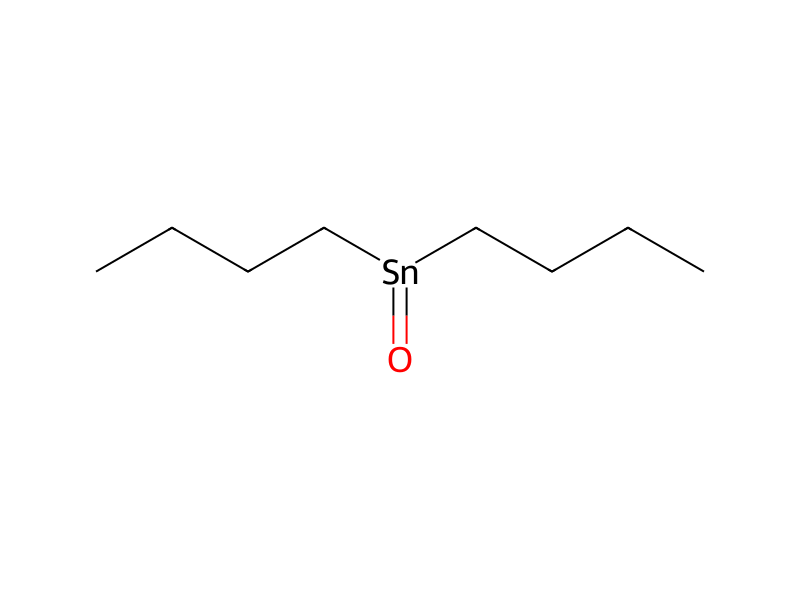
HCID 73974-Toluenesulfonyl chlorideHCID 8471TriethylamineHCID 61221Dibutyltin oxideHCID 23634273(4R/S)-3-fluoro-4-hydroxy-4-(hydroxymethyl)-4,5-dihydro-7H-pyrrolo[3,2,1-de]-1,5-naphthyridin-7-oneHCID 675275493-Fluoro-4-methylidene-4,5-dihydro-7H-pyrrolo[3,2,1-de]-1,5-naphthyridin-7-one

Product 1

HCID 131728163
[(4R/S)-3-Fluoro-4-hydroxy-7-oxo-4,5-dihydro-7H-pyrrolo[3,2,1-de]-1,5-naphthyridin-4-yl]methyl 4-methylbenzenesulfonate

Reagents, catalysts & solvents 2

HCID 962WaterSolventHCID 86642945dichloromethane tetrahydrofuran DMFSolvent

Procedure

A mixture of (4R/S)-3-fluoro-4-hydroxy-4-(hydroxymethyl)-4,5-dihydro-7H-pyrrolo[3,2,1-de]-1,5-naphthyridin-7-one (553 mg, 2.3 mmol) (racemic material, prepared from 3-fluoro-4-methylidene-4,5-dihydro-7H-pyrrolo[3,2,1-de]-1,5-naphthyridin-7-one using AD mix alpha/beta in a similar manner to Example 1(e) Method A) in dichloromethane/tetrahydrofuran/N,N-dimethylformamide (19 ml19 ml/2 ml) was treated with triethylamine (0.5 ml, 3.5 mmol), para-toluenesulphonyl chloride (446 mg, 2.3 mmol) and dibutyltin oxide (29 mg, 0.1 mmol) and stirred at room temperature overnight. Water was then added, the organic phase was separated and washed with saturated aqueous sodium bicarbonate, separated, dried over magnesium sulphate and evaporated under vacuum. The residue was chromatographed on silica eluting with 0-100% ethyl acetate in dichloromethane then 0-10% methanol in ethyl acetate affording a white solid (321 mg, 35%).

Workup

  1. customthe organic phase was separated
  2. washwashed with saturated aqueous sodium bicarbonate
  3. customseparated
  4. dry with materialdried over magnesium sulphate
  5. customevaporated under vacuum
  6. customThe residue was chromatographed on silica eluting with 0-100% ethyl acetate in dichloromethane

Sources & evidence

ORD record
ord-90c35ecce929460ca5f37a3bf5782e19
Source dataset
uspto-grants-2010_06
DOI
10.6084/m9.figshare.5104873.v1
Patent number
US07732460B2

Reaction notes

On this pageParticipantsProcedureWorkupSources & evidenceReaction notes