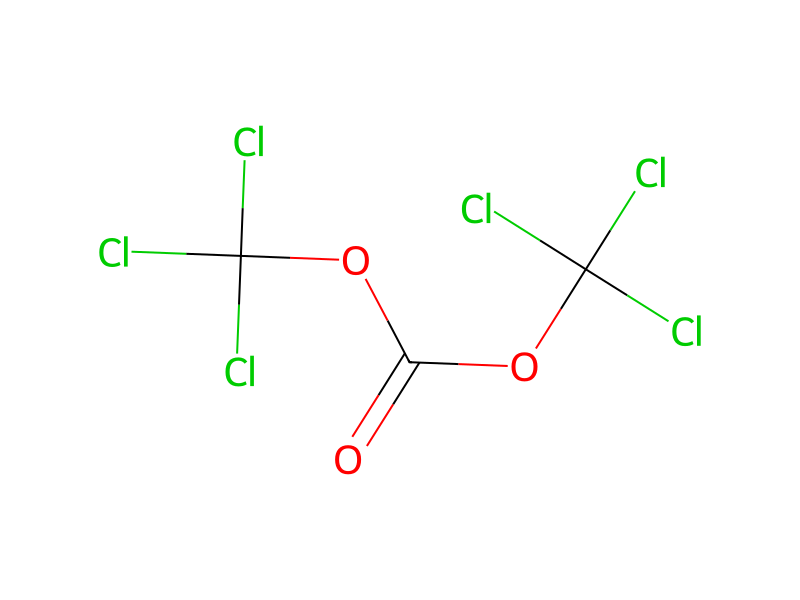
To a vigorously stirred suspension of 6-amino-hexanoic acid benzyl ester toluene-4-sulfonic acid (0.786 g, 2.00 mmol) and triphosgene (0.200 g, 0.667 mmol) in dichloromethane (30 mL) at −78° C. under inert atmosphere, was added triethylamine (1.0 mL, 7.188 mmol, in 10 mL dichloromethane) dropwise via additional funnel over a period of 2 hours. The cooling bath was removed and the resulting reaction was allowed to stir at room temperature for 1 hour, after which time, 4-Dimethylaminobenzylamine dihydrochloride (0.303 g, 2.00 mmol) was added to the reaction mixture. After stirring overnight, the mixture was washed with brine (20 mL) and the aqueous layer was extracted with dichloromethane. The combined organic layers were dried over sodium sulfate and the solvent was evaporated. The residue was purified using flash column chromatography (silica gel 60, CH2Cl2/EtOAc=6:1 to 4:1) to afford 6-(3-Adamantan-1-yl-ureido)-hexanoic acid benzyl ester 0.481 g (61% yield). 1H NMR (300 MHz, CDCl3) δ (ppm) 7.34 (m, 5H), 5.11 (s, 2H), 4.61 (t, J=5.7 Hz, 1H), 4.43 (s, 1H), 3.08 (dt, J=6.9, 5.7 Hz, 2H), 2.35 (t, J=7.5 Hz, 2H), 2.04 (m, 3H), 1.94 (m, 6H), 1.65 (m, 8H) 1.46 (m, 2H) 1.31 (m, 2H). 13C NMR (75 MHz, CDCl3) δ (ppm) 173.5, 157.4, 135.9, 128.5, 128.2, 128.1, 66.1, 50.6, 42.5, 39.8, 36.4, 34.1, 29.9, 29.5, 26.4, 24.5.