HomeMCPWorkbenchSkills
HomeWorkbenchNotificationsMe
llms.txt · MCP GuidePrivacy Policy · Terms of Service · Supportv1.8.3
  1. Home
  2. /Reaction

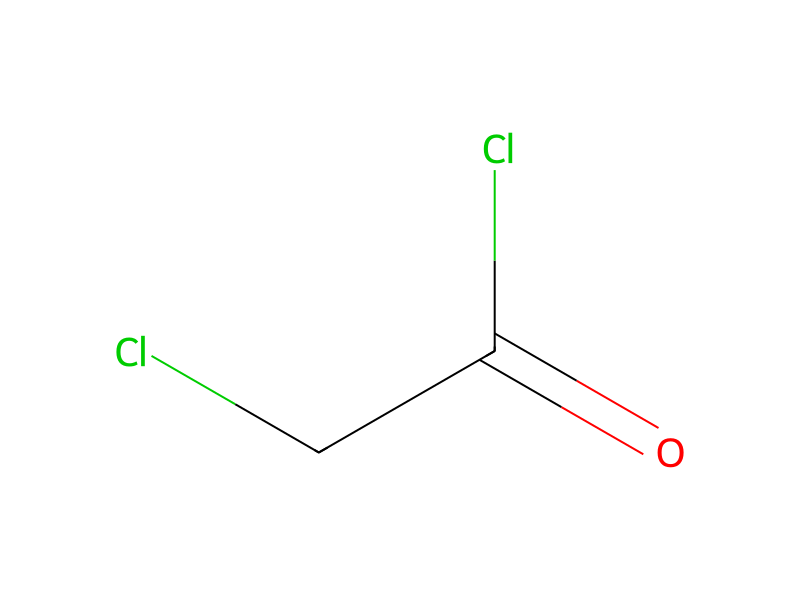
Chloroacetyl chloride → 1-(2-Chloroacetyl)indoline

HRID 1524180
Print

Reaction equation

HRID 1524180 reaction equation
[Cl:1][CH2:2][C:3](Cl)=[O:4].[NH:6]1[C:14]2[C:9](=[CH:10][CH:11]=[CH:12][CH:13]=2)[CH2:8][CH2:7]1.C(N(CC)CC)C>ClCCl>[Cl:1][CH2:2][C:3]([N:6]1[C:14]2[C:9](=[CH:10][CH:11]=[CH:12][CH:13]=2)[CH2:8][CH2:7]1)=[O:4]
ParticipantsProcedureWorkupSources & evidenceReaction notes

Participants

5

Reactant 3

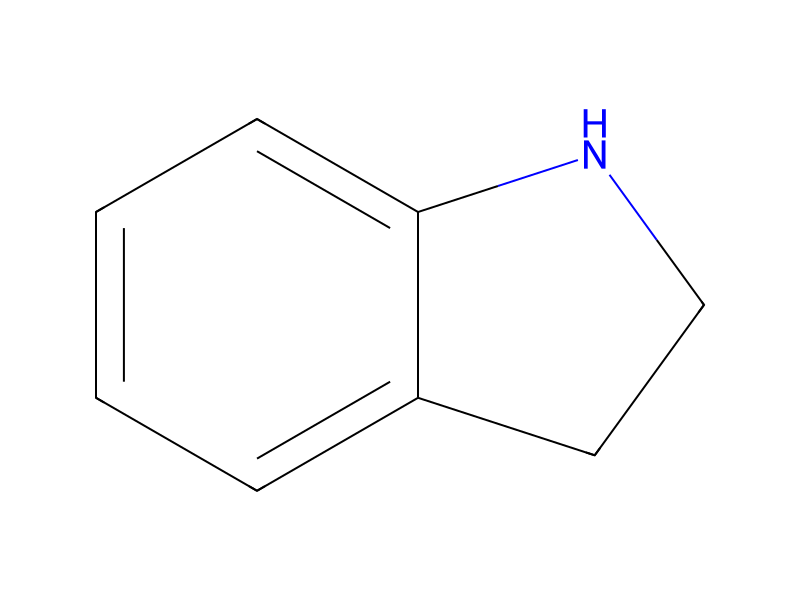
HCID 6577Chloroacetyl chlorideHCID 8471TriethylamineHCID 10328Indoline

Product 1

HCID 1768971-(2-Chloroacetyl)indoline

Reagents, catalysts & solvents 1

HCID 6344DichloromethaneSolvent

Procedure

Chloroacetyl chloride (0.37 ml, 4.6 mmol) was added to a solution of indoline (0.47 ml, 4.19 mmol) and triethylamine (TEA; 0.70 ml, 5.03 mmol) in dichloromethane (DCM; 15 ml). The mixture was stirred for 3 hrs at room temperature (RT) and then quenched with water (5 ml). The phases were separated and the aqueous layer was extracted with DCM (3×5 ml). The combined organic layers were dried over MgSO4 and concentrated to a dark brown residue, 1 g (quantitative), which was used for the next step without further purification.

Workup

  1. customquenched with water (5 ml)
  2. customThe phases were separated
  3. extractionthe aqueous layer was extracted with DCM (3×5 ml)
  4. dry with materialThe combined organic layers were dried over MgSO4
  5. concentrationconcentrated to a dark brown residue, 1 g (quantitative), which
  6. customwas used for the next step without further purification

Sources & evidence

ORD record
ord-ce42ced3ad2f41aa8ec7a01c4c3cff10
Source dataset
uspto-grants-2015_07
DOI
10.6084/m9.figshare.5104873.v1
Patent number
US09079895B2

Reaction notes

On this pageParticipantsProcedureWorkupSources & evidenceReaction notes