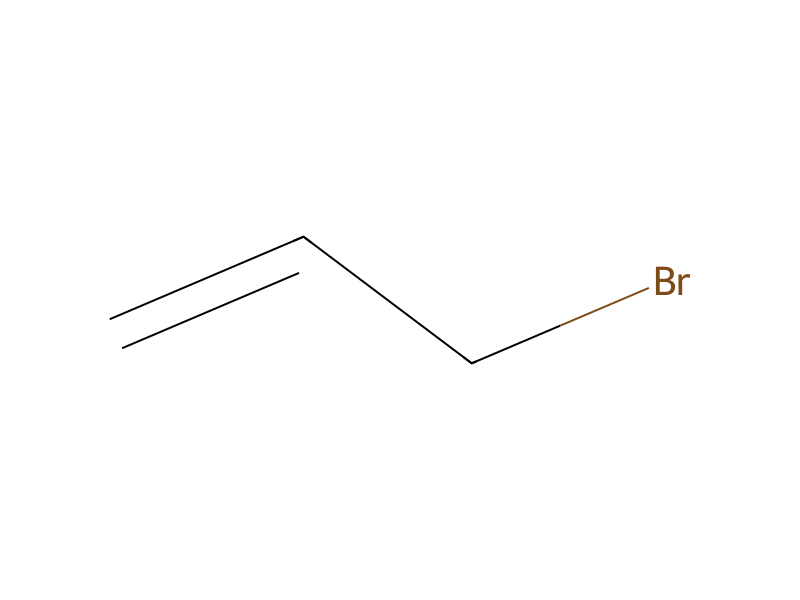
56 g of a 50% suspension of sodium hydride in mineral oil (0.22 mol sodium hydride) is added to 100 ml dimethylformamide. 45.2 g (0.16 mol) 1-(4-Fluorophenyl)-2-(morpholin-4-yl)-1-butanone, dissolved in 50 ml diemethylformamide, are added to this suspension dropwise and at room temperature, and subsequently stirred overnight. Then, 19.36 g 1-brom-2-propene are added dropwise. The temperature raises to 50° C. and the solution is kept at this temperature for 16 hours. After cooling, excess sodium hydride is destroyed by the addition of 5 ml isopropanol and the reaction mixture subsequently poured onto an ice/water mixture. The organic products are extracted with ethyl acetate, the combined extracts dried over magnesium sulfate and the solvent evaporated. The crude product thus obtained is purified by chromatography silica gel (eluent: ethyl acetate/petroleum ether 4:1). 2-Ethyl-1-(4-fluoro-phenyl)-2-(morpholin-4-yl)-pent-4-en-1-one (17.8 g, 38%) is obtained as a yellowish oil. 1H-NMR analysis is in agreement with the proposed structure. This compound is used for the next step.