HomeMCPWorkbenchSkills
HomeWorkbenchNotificationsMe
llms.txt · MCP GuidePrivacy Policy · Terms of Service · Supportv1.8.0
  1. Home
  2. /Reaction

Hydrochloric Acid → HCID 178444366, compound

HRID 1531759
Notes
Print preview

Reaction equation

HRID 1531759 reaction equation
Br[C:2]1[CH:7]=[CH:6][C:5]([O:8][C:9]([F:12])([F:11])[F:10])=[CH:4][CH:3]=1.B(OC)(OC)OC.Cl.B(O)(O)O.[CH2:25]([C@H:30]1[CH2:35][CH2:34][C@H:33]([C:36]2[CH:41]=[C:40]([F:42])[C:39](I)=[C:38]([F:44])[CH:37]=2)[CH2:32][CH2:31]1)[CH2:26][CH2:27][CH2:28][CH3:29].C(C1CCC(=O)CC1)CCCC.FC1C=C([Mg]Br)C=C(F)C=1.[Li]CCCC.II.C([O-])([O-])=O.[Na+].[Na+]>C1COCC1.C1COCC1.CN(CCN(C)C)C.C1C=CC([P]([Pd]([P](C2C=CC=CC=2)(C2C=CC=CC=2)C2C=CC=CC=2)([P](C2C=CC=CC=2)(C2C=CC=CC=2)C2C=CC=CC=2)[P](C2C=CC=CC=2)(C2C=CC=CC=2)C2C=CC=CC=2)(C2C=CC=CC=2)C2C=CC=CC=2)=CC=1.C1(C)C=CC=CC=1.O>[CH2:25]([C@H:30]1[CH2:35][CH2:34][C@H:33]([C:36]2[CH:37]=[C:38]([F:44])[C:39]([C:2]3[CH:7]=[CH:6][C:5]([O:8][C:9]([F:12])([F:11])[F:10])=[CH:4][CH:3]=3)=[C:40]([F:42])[CH:41]=2)[CH2:32][CH2:31]1)[CH2:26][CH2:27][CH2:28][CH3:29]
ParticipantsProcedureWorkupSources & evidenceReaction notes

Participants

16

Reactant 10

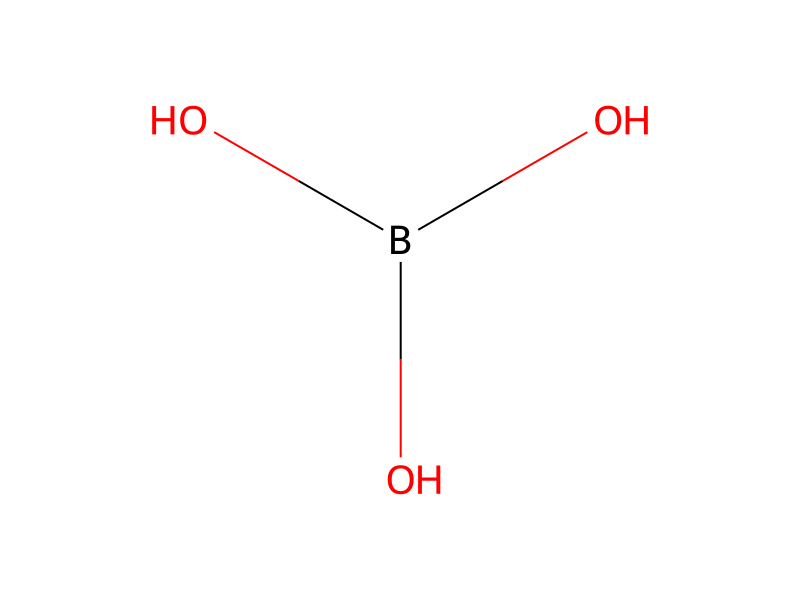
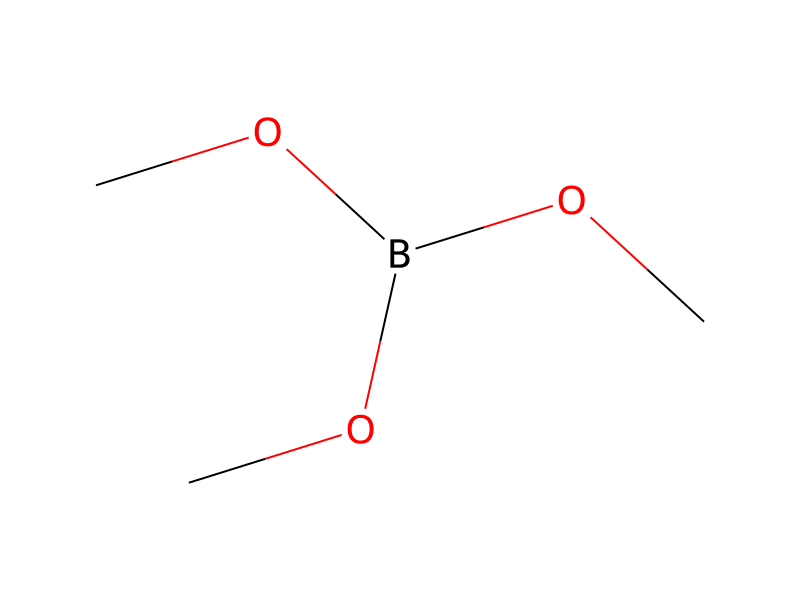
HCID 313Hydrochloric AcidHCID 807IodineHCID 7628Boric AcidHCID 8470Trimethyl borateHCID 10340Sodium CarbonateHCID 5210081-Bromo-4-(trifluoromethoxy)benzeneHCID 5660974-Pentylcyclohexanone
HCID 178418339
Butyllithium
HCID 178444369HCID 178444369, compound
HCID 178505930HCID 178505930, compound

Product 1

HCID 178444366HCID 178444366, compound

Reagents, catalysts & solvents 5

HCID 178418397HCID 178418397, compoundCatalystHCID 962WaterSolventHCID 1140TolueneSolventHCID 8028TetrahydrofuranSolvent3×HCID 86588997Thf tmedaSolvent

Procedure

A solution of 0.1 mol of p-bromotrifluoromethoxybenzene in 100 ml of THF is added dropwise to a suspension of 0.1 mol of Mg turnings in 50 ml of THF at such a rate that the reaction mixture boils gently. After the mixture has been stirred for one hour, 0.1 mol of trimethyl borate is added dropwise at room temperature, and the mixture is stirred for a further hour and hydrolyzed using dilute hydrochloric acid. After extractive work-up, the resultant boric acid (0.05 mol) is refluxed for two hours together with 0.05 mol of 4-(trans-4-n-pentyl cyclohexyl)-2,6-difluoroiodobenzene [obtainable by reacting 4-pentylcyclohexanone with 3,5-difluorophenylmagnesium bromide, eliminating water, and hydrogenating the cyclohexenebenzene on Pd/C. The resultant 3,5-difluoropenyl [sic] compound is metallated at −70° in THF/TMEDA using n-BuLi and subsequently reacted with iodine in THF at −70°], 38 ml of 2 molar aqueous Na2CO3 solution, 0.6 g of tetrakis(triphenylphosphine)palladium(0) and 75 ml of toluene. Customary aqueous work-up and chromatographic purification give 4-(trans-4-n-pentylcyclohexyl)-2,6-difluoro-4′-trifluoromethoxybiphenyl.


Workup

  1. stirringthe mixture is stirred for a further hour
  2. customCustomary aqueous work-up and chromatographic purification

Sources & evidence

ORD record
ord-0128bcc177504ef9a5632476a6caf865
Source dataset
uspto-grants-2001_03
DOI
10.6084/m9.figshare.5104873.v1
Patent number
US06200654B1

Reaction notes

Loading…

On this pageParticipantsProcedureWorkupSources & evidenceReaction notes