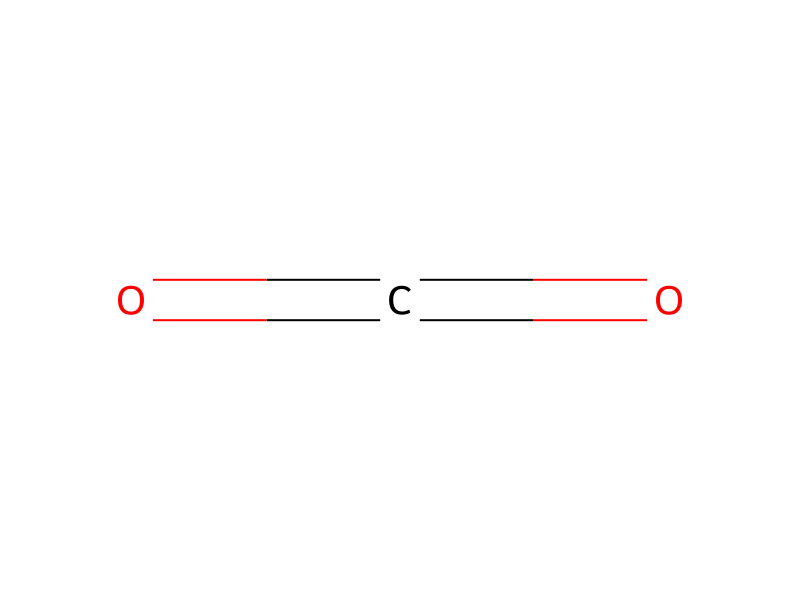
C([Li])CCC.Br[CH:7](Br)[CH2:8][C:9]1[C:10]([CH:28]([CH3:30])[CH3:29])=[N:11][C:12]([C:22]2[CH:27]=[CH:26][CH:25]=[CH:24][CH:23]=2)=[CH:13][C:14]=1[C:15]1[CH:20]=[CH:19][C:18]([F:21])=[CH:17][CH:16]=1.[C:32](=[O:34])=[O:33].Cl>CCCCCC.C1COCC1>[F:21][C:18]1[CH:19]=[CH:20][C:15]([C:14]2[CH:13]=[C:12]([C:22]3[CH:27]=[CH:26][CH:25]=[CH:24][CH:23]=3)[N:11]=[C:10]([CH:28]([CH3:29])[CH3:30])[C:9]=2[C:8]#[C:7][C:32]([OH:34])=[O:33])=[CH:16][CH:17]=130.3 ml (48.4 mmol) of a 1.6M solution of n-butyllithium in hexane were added dropwise at -70° C. to a solution of 11.5 g (24.2 mmol) of 1,1-dibromo-2-(4-(4-fluorophenyl)-2-(1-methylethyl)-6-phenylpyridin-3-yl)ethane (Example 1a) in 70 ml of THF. The resulting solution was stirred at -70° C. for 1 h and then at room temperature for 1 h and subsequently cooled to -60° C. 10.7 g (242 mmol) of crushed dry ice were added and then the reaction mixture was slowly brought to room temperature, hydrolyzed on ice-water, acidified with dilute hydrochloric acid and extracted several times with ether. The combined organic phases were washed with saturated NaCl solution, dried over MgSO4 and evaporated. The residue was 11.0 g of the title compound which was reacted further without purification. For analytical purposes, a small amount of the crude product was purified on silica gel (dichloromethane/methanol 9:1).