HomeMCPWorkbenchSkills
HomeWorkbenchNotificationsMe
llms.txt · MCP GuidePrivacy Policy · Terms of Service · Supportv1.8.3
  1. Home
  2. /Reaction

Hydrochloric Acid → Quinoline Yellow

HRID 1576498
Print

Reaction equation

HRID 1576498 reaction equation
S[CH2:2][CH2:3][OH:4].CN1[CH2:10][CH2:9][CH2:8][C:7]1=[O:11].CC(O)C[N:15]([CH2:20][CH:21](O)[CH3:22])[CH2:16][CH:17](O)[CH3:18].Cl>O>[CH:16]1[CH:18]=[C:17]2[CH:22]=[CH:21][C:20]([CH:2]3[C:7](=[O:11])[C:8]4[C:20](=[CH:21][CH:22]=[CH:10][CH:9]=4)[C:3]3=[O:4])=[N:15][C:16]2=[CH:18][CH:17]=1
ParticipantsConditionsProcedureWorkupSources & evidenceReaction notes

Participants

6

Reactant 4

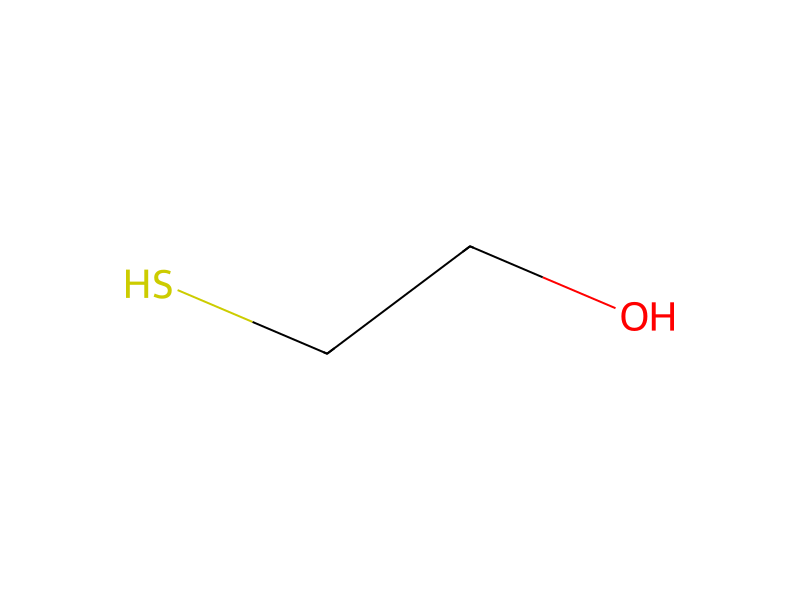
HCID 313Hydrochloric AcidHCID 15672-MercaptoethanolHCID 13387N-methyl-2-pyrrolidoneHCID 24730Triisopropanolamine

Product 1

HCID 6731Quinoline Yellow

Reagents, catalysts & solvents 1

HCID 962WaterSolvent

Conditions

Temperature
180 °C

Procedure

23 parts of the reaction product obtained according to Example 15 are reacted with 10 parts of 2-mercaptoethanol in 50 parts of volume of N-methylpyrrolidone with an addition of 32 parts of triisopropanolamine by heating for 8 hours at 180°C while stirring. The whole is dripped into a mixture of 1500 parts of water, 1500 parts of ice and 40 parts of 10N hydrochloric acid while stirring well. The dye thus precipitated is suction filtered, washed with water and dried. The quinophthalone derivative obtained as a yellow powder colors polyesters yellow hues having outstanding fastness properties. It probably has the formula: ##SPC17##

Workup

  1. custom23 parts of the reaction product obtained
  2. stirringwhile stirring well
  3. customThe dye thus precipitated
  4. filtrationfiltered
  5. washwashed with water
  6. customdried

Sources & evidence

ORD record
ord-ae6cc6d4315f498a931123fc4633ad6e
Source dataset
uspto-grants-1976_09
DOI
10.6084/m9.figshare.5104873.v1
Patent number
US03981873

Reaction notes

On this pageParticipantsConditionsProcedureWorkupSources & evidenceReaction notes