2-Chlorobenzaldehyde → HCID 20245563, compound
Reaction equation

[N:1]([CH:4]([CH3:16])[CH2:5][O:6][CH2:7][C:8](=O)[CH2:9][C:10]([O:12][CH2:13][CH3:14])=[O:11])=[N+:2]=[N-:3].Cl[C:18]1C=CC=CC=1C=O.[NH2:26]/[C:27](/[CH3:33])=[CH:28]\[C:29]([O:31][CH3:32])=[O:30]>CO>[N:1]([CH:4]([CH3:16])[CH2:5][O:6][CH2:7][C:8]1[NH:26][C:27]([CH3:33])=[C:28]([C:29]([O:31][CH3:32])=[O:30])[CH2:18][C:9]=1[C:10]([O:12][CH2:13][CH3:14])=[O:11])=[N+:2]=[N-:3]Participants
5
Reactant 3
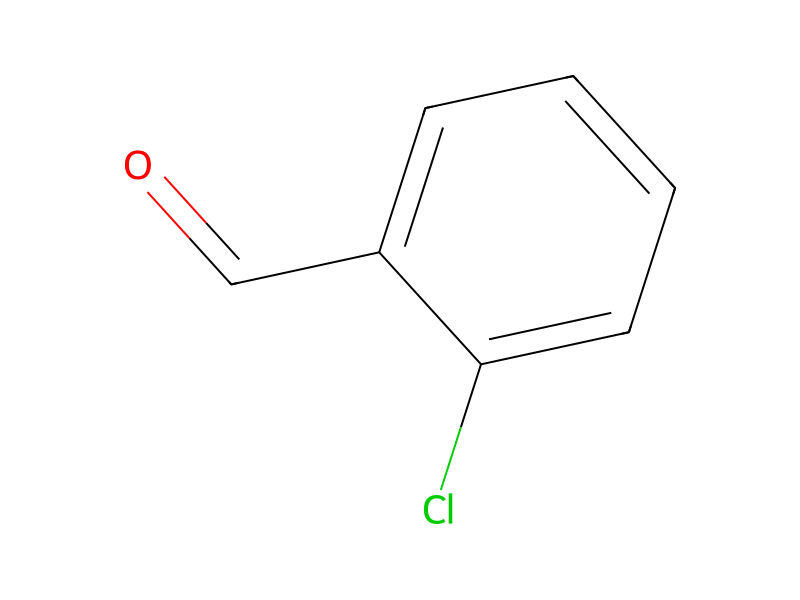


Product 1

Reagents, catalysts & solvents 1

Procedure
A mixture of ethyl 4-(2-azidoprop-1-oxy)acetoacetate (13.05 g), 2-chlorobenzaldehyde (8.3 g) and methyl 3-aminocrotonate (6.8 g) in methanol (80 ml) was heated under reflux for 19 hours, reduced to half-volume, and then cooled overnight at -20°. The resulting precipitate was collected, washed with a little cold methanol, and dried to give 2-(2-azidoprop-1-oxymethyl)-3-ethoxycarbonyl-5-methoxycarbonyl-6-methyl-1,4-dihydropyridine (4.0 g) as a pale yellow solid, m.p. 115°, characterised spectroscopically.