Reaction equation

[Cl:1][C:2]1[CH:8]=[CH:7][C:5](N)=[CH:4][C:3]=1[C:9]([F:12])([F:11])[F:10].Cl.N([O-])=O.[Na+].[C:18]([O-])(=[O:20])C.[Na+].C=NO.Cl.C=NO.S([O-])([O-])=O.[Na+].[Na+].NC1C=CC=CC=1>O>[Cl:1][C:2]1[CH:8]=[CH:7][C:5]([CH:18]=[O:20])=[CH:4][C:3]=1[C:9]([F:12])([F:11])[F:10]Participants
Reactant 8



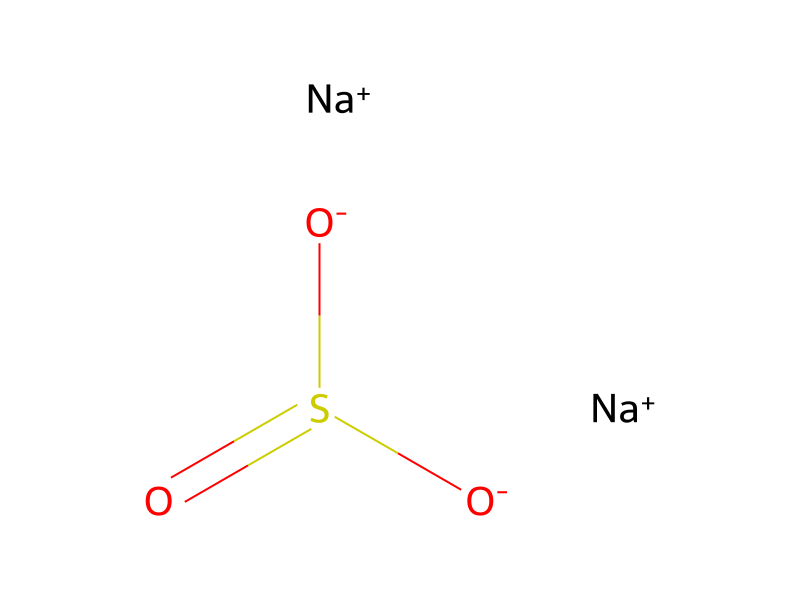



Product 1

Reagents, catalysts & solvents 1

Procedure
To a suspension of 4-chloro-3-trifluoromethylaniline (ex Fluorochem) (15.9 g) in water (16 ml) was added concentrated hydrochloric acid (18 ml) Ice (30 g) was added and the mixture cooled to 0° and treated with sodium nitrite (5.6 g) in water (8 ml). After 15 minutes the mixture was made neutral to congo red with sodium acetate (8 g) in water (10 ml). A solution of formaldoxime, prepared from formaldoxime hydrochloride (ex Lancaster) (9.9 g) and sodium acetate (12 g) (ex BDH) in water (57 ml), at 10° was treated with cupric sulphate (2 g) (ex BDH) and sodium sulphite (0.34 g) followed by sodium acetate (55 g) in water (60 ml). The previously prepared mixture (from the aniline) was added dropwise at 10°-15°. After one hour at 15° hydrochloric acid (77 ml) was added and the mixture worked up in the usual manner. Purification by distillation (80°, 0.5 mmHg) gave 4-chloro-3-trifluoromethylbenzaldehyde (1.5 g).
Workup
- additionwas added
- temperaturethe mixture cooled to 0°
- customPurification
- distillationby distillation (80°, 0.5 mmHg)
Sources & evidence
- ORD record
- ord-32d3f09eb68347d3a7734a4a7956c177
- Source dataset
- uspto-grants-1993_04
- Patent number
- US05202356
Linked notes
Loading…