HomeMCPWorkbenchSkills
HomeWorkbenchNotificationsMe
llms.txt · MCP GuidePrivacy Policy · Terms of Service · Supportv1.8.3
  1. Home
  2. /Reaction

Hydrochloric Acid → 4-(Azetidin-3-yl)morpholine dihydrochloride

HRID 1599437
Print

Reaction equation

HRID 1599437 reaction equation
C1(C(C2C=CC=CC=2)[N:8]2[CH2:11][CH:10]([N:12]3[CH2:17][CH2:16][O:15][CH2:14][CH2:13]3)[CH2:9]2)C=CC=CC=1.[ClH:24]>[OH-].[Pd+2].[OH-].C(O)C>[ClH:24].[ClH:24].[O:15]1[CH2:16][CH2:17][N:12]([CH:10]2[CH2:11][NH:8][CH2:9]2)[CH2:13][CH2:14]1
ParticipantsProcedureWorkupSources & evidenceReaction notes

Participants

5

Reactant 2

HCID 313Hydrochloric AcidHCID 211837864-[1-(Diphenylmethyl)azetidin-3-yl]morpholine

Product 1

HCID 220613264-(Azetidin-3-yl)morpholine dihydrochloride

Reagents, catalysts & solvents 2

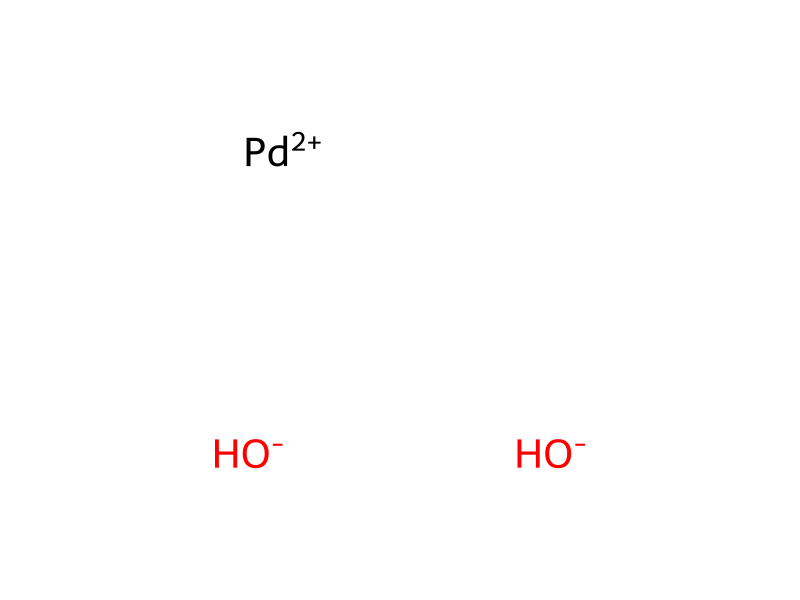
HCID 9942167Palladium hydroxideCatalystHCID 702EthanolSolvent

Procedure

A mixture of 1-diphenylmethyl-3-morpholinoazetidine (Preparation 1(c)) (18.6 g, 60.4 mmol), palladium hydroxide (2 g), ethanol (200 ml) and 1N aqueous HCl (52 ml) was stirred under an atmosphere of hydrogen at 345 kPa (50p.s.i.) for 3 days. The catalyst was then removed by filtration and the filtrate evaporated to dryness. Addition of dichloromethane (100 ml) to the residue and trituration gave a solid which was recrystallised from methanol to give the title compound (10.2 g) as a crystalline solid. LRMS m/z=179 (m+1)+.

Workup

  1. customThe catalyst was then removed by filtration
  2. customthe filtrate evaporated to dryness
  3. additionAddition of dichloromethane (100 ml) to the residue and trituration
  4. customgave a solid which
  5. customwas recrystallised from methanol

Sources & evidence

ORD record
ord-be826166c97640f9a17881b400d0fbc0
Source dataset
uspto-grants-1998_04
DOI
10.6084/m9.figshare.5104873.v1
Patent number
US05741790

Reaction notes

On this pageParticipantsProcedureWorkupSources & evidenceReaction notes