HomeMCPWorkbenchSkills
HomeWorkbenchNotificationsMe
llms.txt · MCP GuidePrivacy Policy · Terms of Service · Supportv1.8.3
  1. Home
  2. /Reaction

Formaldehyde → Sodium Sulfate

HRID 1608461
Print

Reaction equation

HRID 1608461 reaction equation
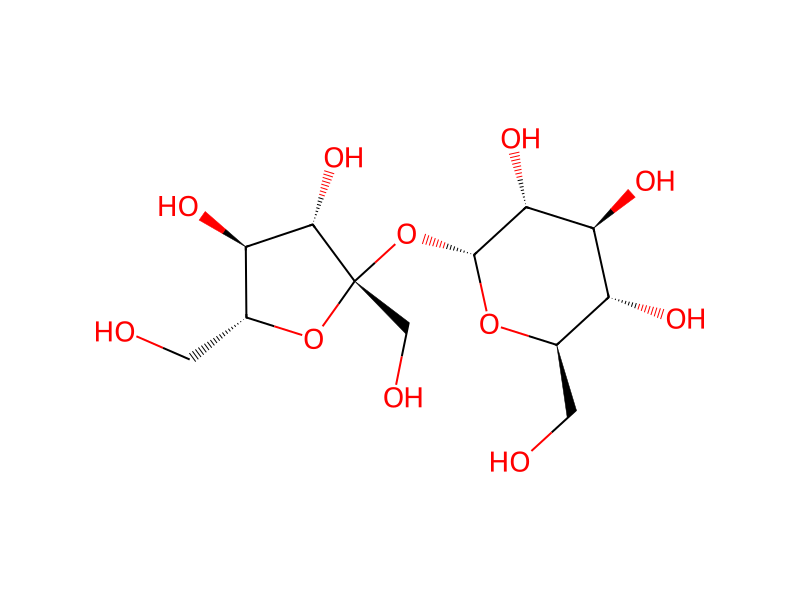
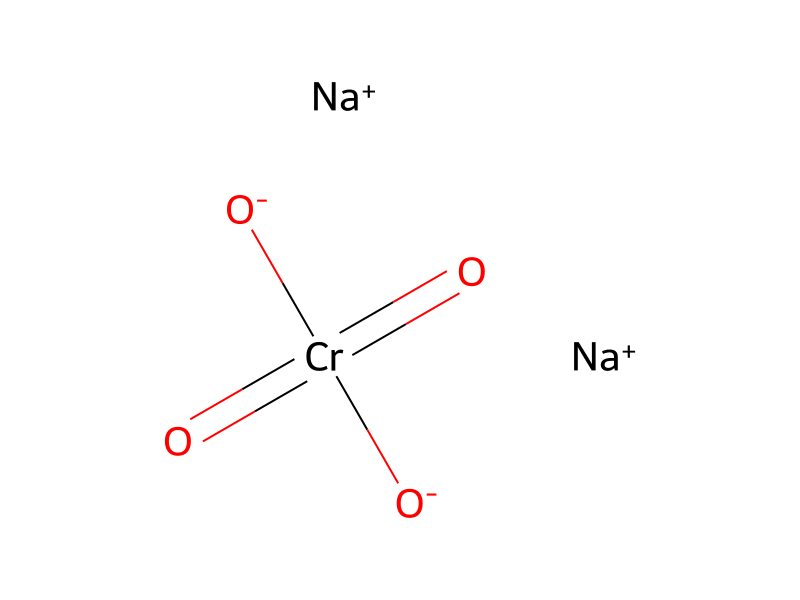
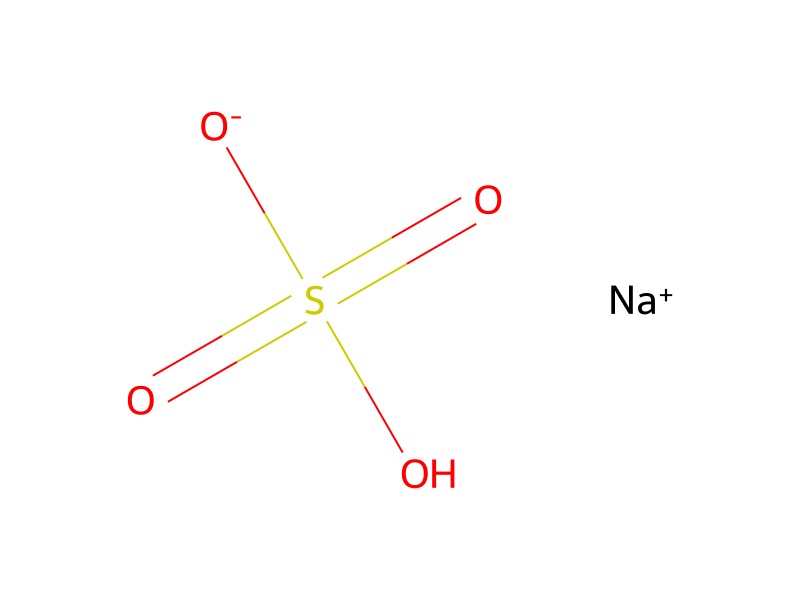
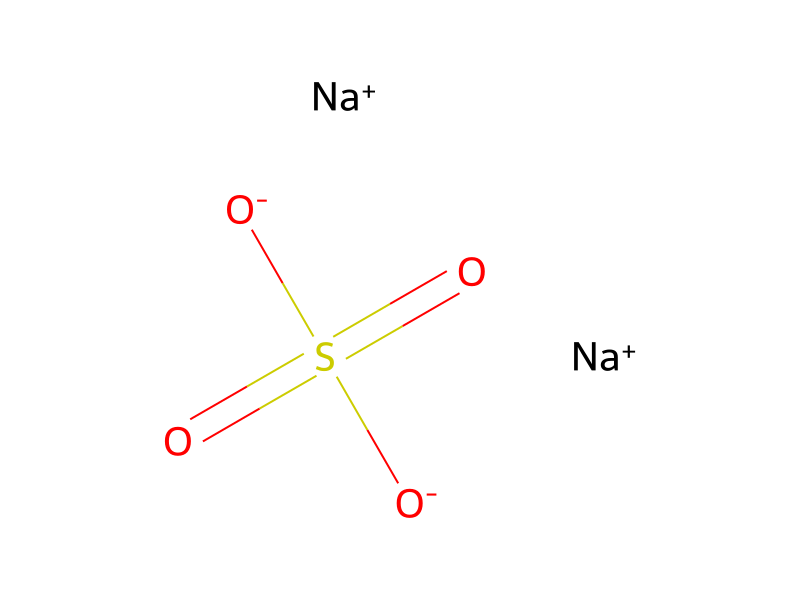
[Cr:1]([O-])([O-])(=O)=O.[Na+:6].[Na+].[S:8]([O-:12])([OH:11])(=[O:10])=[O:9].[Na+].C(O)[C@H]1O[C@H](O[C@]2(CO)O[C@H](CO)[C@@H](O)[C@@H]2O)[C@H](O)[C@@H](O)[C@@H]1O.C=O>>[S:8]([O-:12])([O-:11])(=[O:10])=[O:9].[Cr+3:1].[S:8]([O-:12])([O-:11])(=[O:10])=[O:9].[S:8]([O-:12])([O-:11])(=[O:10])=[O:9].[Cr+3:1].[S:8]([O-:12])([O-:11])(=[O:10])=[O:9].[Na+:6].[Na+:6]
ParticipantsProcedureWorkupSources & evidenceReaction notes

Participants

6

Reactant 4

HCID 712FormaldehydeHCID 5988SucroseHCID 24488Sodium ChromateHCID 516919Sodium Bisulfate

Product 2

HCID 24436Sodium SulfateHCID 24930Chromic Sulfate

Procedure

A process, as claimed in claim 1, wherein sodium hydrogen sulfate is added to the extractive liquor, to obtain a Ph value of 6-7, and the neutral sodium chromate solution is acidified with sodium hydrogen sulfate again; and further, sucrose or formaldehyde is added, followed by heating to above 100° C., to form chromium sulfate and sodium sulfate, which, after completion of reaction, are cooled to 21°-24 C., and separated, to obtain sodium sulfate decahydrate crystals and chromium sulfate.

Workup

  1. temperatureby heating to above 100° C.

Sources & evidence

ORD record
ord-2e88d0b8d198421daea6b0da438a5745
Source dataset
uspto-grants-1995_03
DOI
10.6084/m9.figshare.5104873.v1
Patent number
US05395601

Reaction notes

On this pageParticipantsProcedureWorkupSources & evidenceReaction notes