Reaction equation

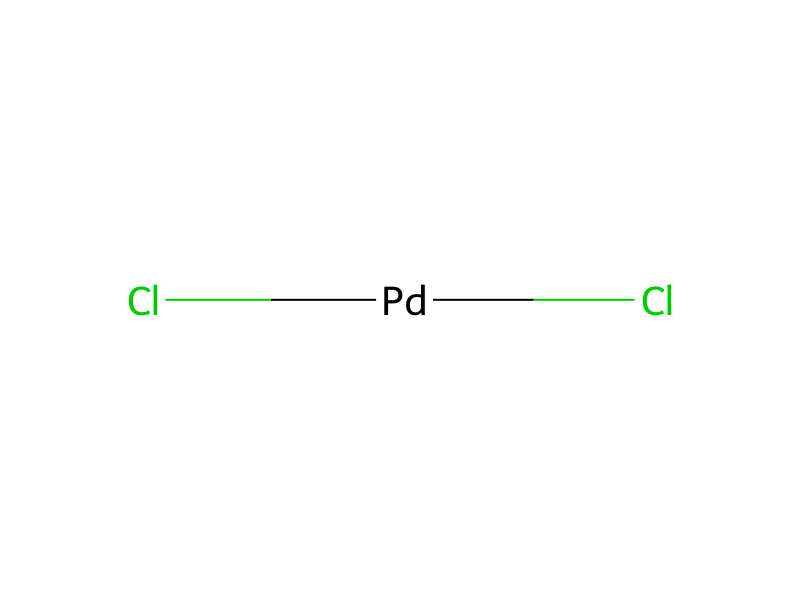
Cl[C:2]1[CH:7]=[CH:6][CH:5]=[CH:4][CH:3]=1.C1(P(C(C(P(C2C=CC=CC=2)C2C=CC=CC=2)C)C)C2C=CC=CC=2)C=CC=CC=1.[C:38](=O)([O-:40])[O-:39].[K+].[K+].[C]=O>[Pd](Cl)Cl.O>[C:38]([OH:40])(=[O:39])[C:2]1[CH:7]=[CH:6][CH:5]=[CH:4][CH:3]=1Participants
7
Reactant 4




Product 1
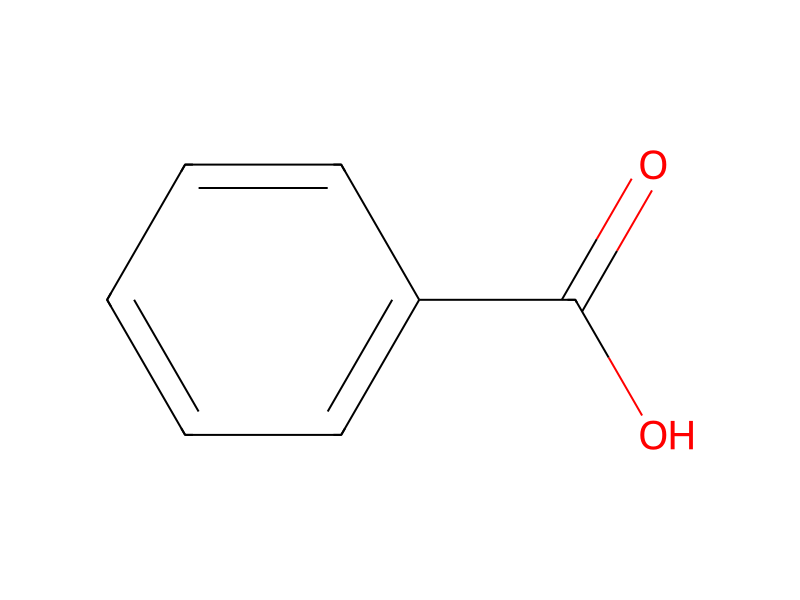
Reagents, catalysts & solvents 2

Conditions
- Temperature
- 210 °C
Procedure
In an autoclave made of metal were placed 11.2 g of chlorobenzene, 17.5 mg of palladium chloride, 427 mg of bisdiphenylphosphinobutane and 3.1 g of potassium carbonate. The air in the autoclave was replaced with carbon monoxide introduced thereinto in several times, after which carbon monoxide was further introduced to its pressure therein to 50 kg/cm2. The reaction was carried out with stirring for 3 hours on a salt bath at a bath temperature of 210° C. After completion of the reaction, the reaction mixture was cooled to room temperature and water was added. The aqueous layer was separated, after which acid was added thereto and the deposited crystals were collected by
Workup
- additionintroduced
- customAfter completion of the reaction
- temperaturethe reaction mixture was cooled to room temperature
- customThe aqueous layer was separated
- additionafter which acid was added
- customthe deposited crystals were collected by
Sources & evidence
- ORD record
- ord-095b683e6d924901b542fa981debd102
- Source dataset
- uspto-grants-1993_03
- Patent number
- US05194631
Linked notes
Loading…