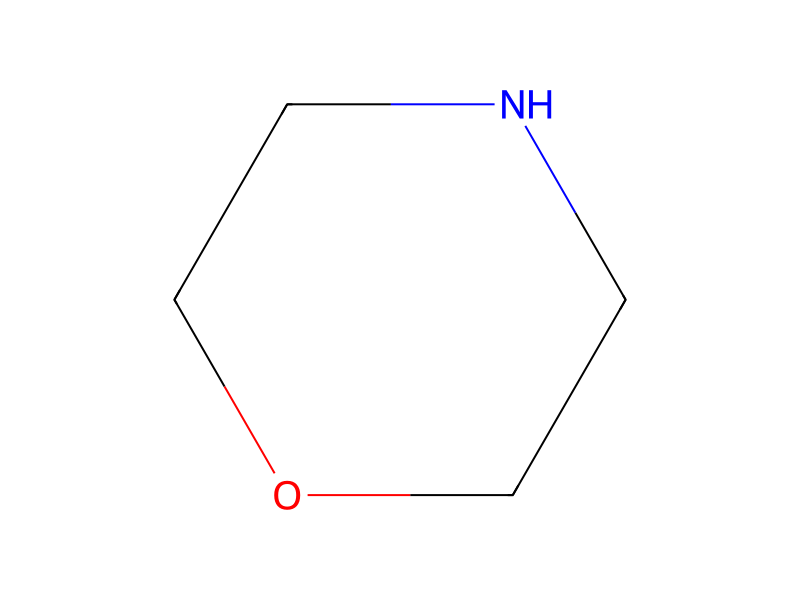
C(O)(=O)C.[Br:5][C:6]1[CH:14]=[C:13]2[C:9]([C:10]3([CH2:20][CH2:19][C:18](=O)[CH2:17][CH2:16]3)[C:11](=[O:15])[NH:12]2)=[CH:8][CH:7]=1.[NH:22]1[CH2:27][CH2:26][O:25][CH2:24][CH2:23]1.C(O[BH-](OC(=O)C)OC(=O)C)(=O)C.[Na+]>ClCCCl>[Br:5][C:6]1[CH:14]=[C:13]2[C:9]([C:10]3([CH2:20][CH2:19][CH:18]([N:22]4[CH2:27][CH2:26][O:25][CH2:24][CH2:23]4)[CH2:17][CH2:16]3)[C:11](=[O:15])[NH:12]2)=[CH:8][CH:7]=1Acetic acid (74 μl, 1.29 mmol) was added to a stirred solution of 6′-bromospiro[cyclohexane-1,3′-indoline]-2′,4-dione (preparation 21a, 0.38 g, 1.29 mmol) and morpholine (123 μl, 1.1 mmol) in 1,2-dichloroethane (5 mL). The mixture was cooled to 0° C. and sodium triacetoxy borohydride (0.356 g, 1.68 mmol) was added portionwise. After the addition, the cooling bath was removed and the mixture was stirred at room temperature for 18 hours. Water and dichloromethane were added to the reaction mixture and the organic layer was washed with water, dried (MgSO4) and the solvent was evaporated to give the crude oily product as a mixture of isomers. Separation of the isomers was achieved by flash chromatography (98:2 dichloromethane/methanol):