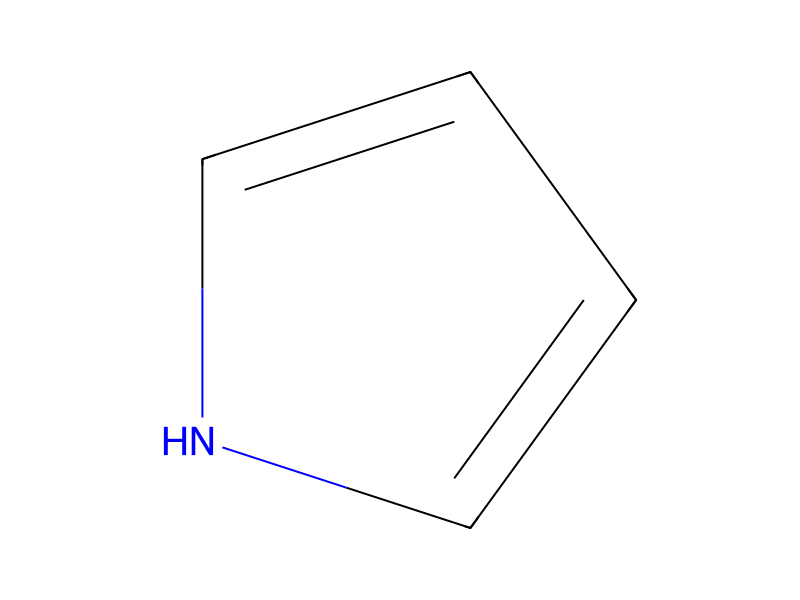
Pyrrole → tert-butyl(5-(1H-pyrrol-1-yl)pyridin-3-yl)carbamate
HRID 1620064
Reaction equation

C(=O)([O-])[O-].[Cs+].[Cs+].[NH:7]1[CH:11]=[CH:10][CH:9]=[CH:8]1.CC1(C)C2C(=C(P(C3C=CC=CC=3)C3C=CC=CC=3)C=CC=2)OC2C(P(C3C=CC=CC=3)C3C=CC=CC=3)=CC=CC1=2.[C:54]([O:58][C:59](=[O:68])[NH:60][C:61]1[CH:62]=[N:63][CH:64]=[C:65](Br)[CH:66]=1)([CH3:57])([CH3:56])[CH3:55]>C1C=CC(/C=C/C(/C=C/C2C=CC=CC=2)=O)=CC=1.C1C=CC(/C=C/C(/C=C/C2C=CC=CC=2)=O)=CC=1.C1C=CC(/C=C/C(/C=C/C2C=CC=CC=2)=O)=CC=1.[Pd].[Pd].O.O1CCOCC1>[C:54]([O:58][C:59](=[O:68])[NH:60][C:61]1[CH:62]=[N:63][CH:64]=[C:65]([N:7]2[CH:11]=[CH:10][CH:9]=[CH:8]2)[CH:66]=1)([CH3:57])([CH3:55])[CH3:56]Participants
8