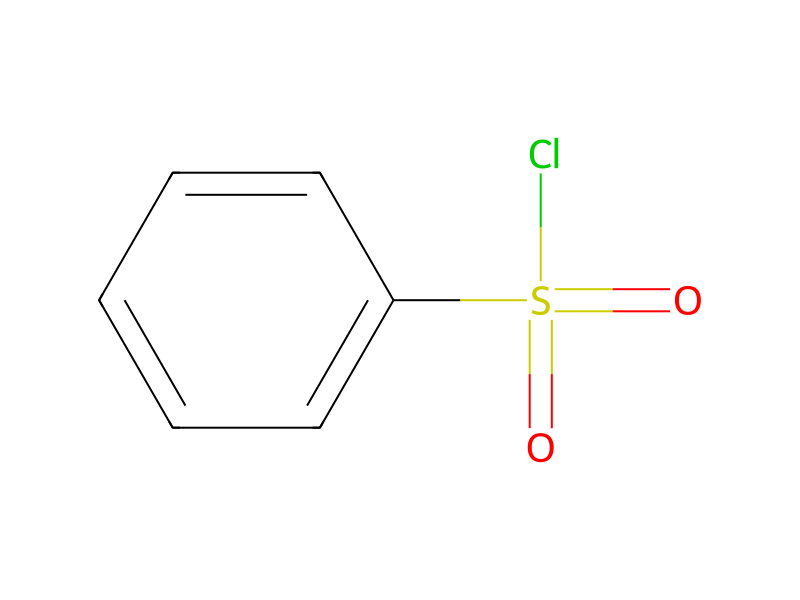
[Br:1][C:2]1[C:10]2[C:5](=[N:6][CH:7]=[CH:8][C:9]=2[Cl:11])[NH:4][CH:3]=1.[H-].[Na+].[C:14]1([S:20](Cl)(=[O:22])=[O:21])[CH:19]=[CH:18][CH:17]=[CH:16][CH:15]=1>C1COCC1>[Br:1][C:2]1[C:10]2[C:5](=[N:6][CH:7]=[CH:8][C:9]=2[Cl:11])[N:4]([S:20]([C:14]2[CH:19]=[CH:18][CH:17]=[CH:16][CH:15]=2)(=[O:22])=[O:21])[CH:3]=13-bromo-4-chloro-1H-pyrrolo[2,3-b]pyridine (2.32 g) was dissolved in anhydrous THF and cooled to 0° C., the NaH (60%, 1.2 g) was added slowly and the mixture stirred at 0° C. for 40 min. The benzenesulfonyl chloride was added, and the mixture was allowed to warm to room temperature and stirred at room temperature for 3 h. The reaction mixture was quenched with H2O, and extracted with EtOAc. The organic layer was dried over Na2SO4. Ater the solvent evaporated under reduced pressure, the residue was purified with chromatography on silica gel to give 3-bromo-4-chloro-1-(phenylsulfonyl)-1H-pyrrolo[2,3-b]pyridine: (2.63 g), yield: 71%.
Loading…