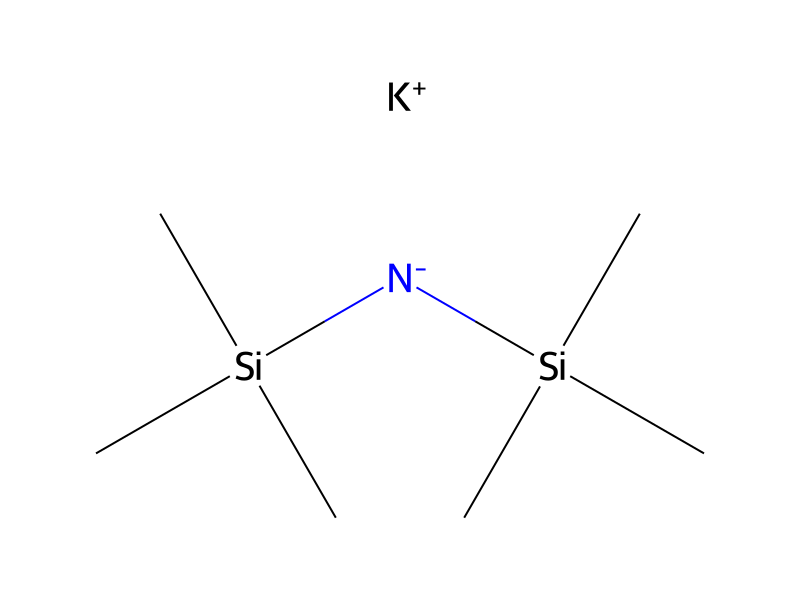
3-Methyl-2-pyridin-3-yl-1H-indole hydrochloride (Example 1, 0.110 g, 0.445 mmol) is suspended in THF (3 mL) and cooled to 0° C. KHMDS (0.5M in toluene, 2 mL, 1 mmol) is added dropwise, the cooling bath is lowered and the mixture is stirred at room temperature for 15 min, whereupon it is lowered in the ice-water bath. Benzyl bromide (0.093 g, 0.534 mmol) is added dropwise. After 3 h, additional benzyl bromide (0.046 g, 0.267 mmol) is added, and upon reaction completion, the mixture is quenched with 1M aqueous HCl and diluted with ethyl acetate. The aqueous phase is extracted and the combined organic phase is dried over MgSO4, filtered and concentrated in vacuo. Purification of the residue by silica gel flash chromatography (dichloromethane-methanol, 99:1) affords 1-benzyl-3-methyl-2-pyridin-3-yl-1H-indole as a pale yellow solid. 1H NMR (400 MHz, MeOD) δ ppm 2.18 (s, 3H), 5.19 (s, 2H), 6.69-6.71 (m, 2H), 7.01-7.11 (m, 5H), 7.21 (d, J=8.1 Hz, 1H), 7.37-7.41 (m, 1H), 7.52 (d, J=7.8 Hz, 1H), 7.67-7.70 (m, 1H), 8.36 (s, 1H), 8.43-8.45 (m, 1H). MS (ESI) m/z 299 (M+H)+.