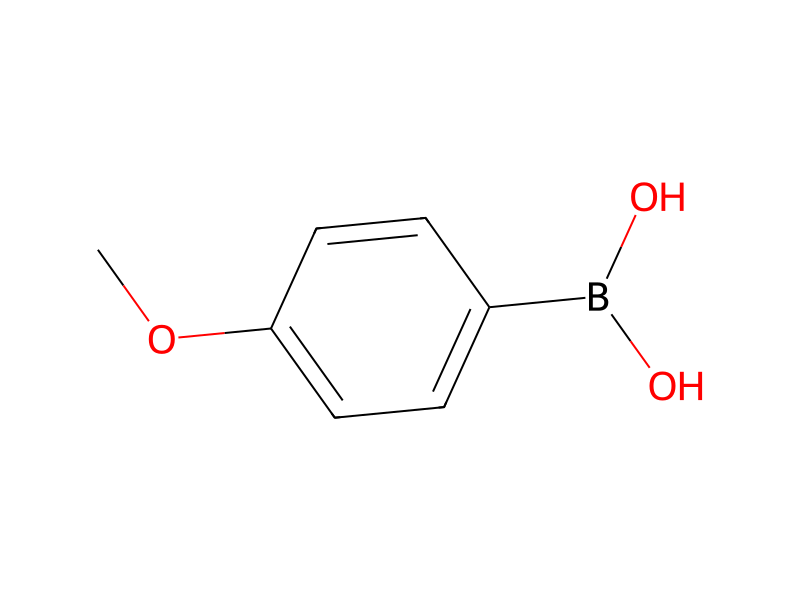
Into a 50 mL roundbottom flask, was placed 4-methoxyphenylboronic acid (5.4 g, 35.54 mmol). To this was added 5-bromo-pyrazin-2-ylamine (3 g, 17.24 mmol). Cu(OAc)2 (3.45 g, 19.06 mmol) was added, followed by addition of a solution of DMAP (4.2 g, 34.43 mmol) in CH2Cl2 (20 mL). The resulting solution was stirred at room temperature for 12 hours. The reaction progress was monitored by thin layer chromatography (TLC) (ethyl acetate/petroleum ether=1:2). When the reaction was complete, the mixture was filtered, then concentrated under vacuum. The residue was dissolved in ethyl acetate (EtOAc), then washed with water. The organic layer was dried over Na2SO4, then filtered and concentrated. The crude product was purified by silica gel chromatography (SGC) eluting with ethyl acetate/petroleum ether (1:5, v/v) to provide (5-bromo-pyrazin-2-yl)-(4-methoxy-phenyl)-amine (i) (500 mg, yield 10%) as a yellow solid.