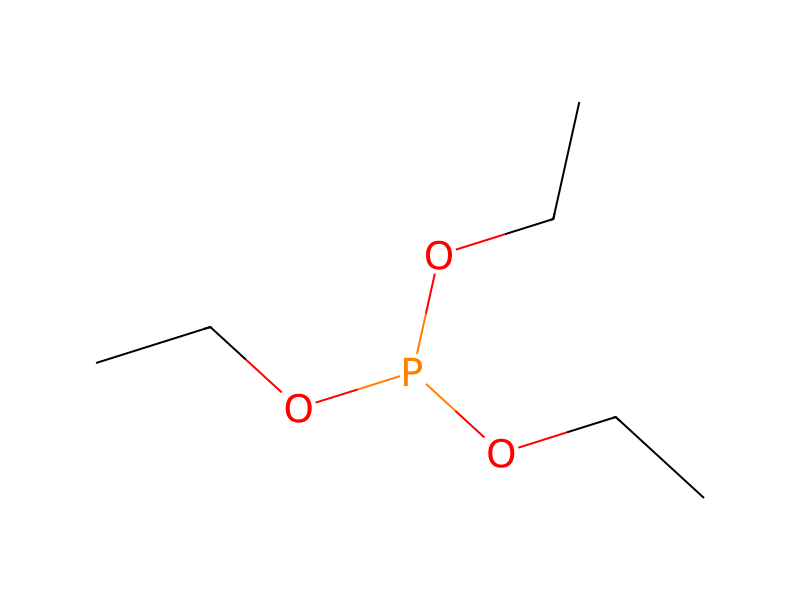
Triethyl phosphite → Donepezil
HRID 1645377
Reaction equation

Br[CH:2]1[CH2:10][C:9]2[C:4](=[CH:5][C:6]([O:13][CH3:14])=[C:7]([O:11][CH3:12])[CH:8]=2)[C:3]1=[O:15].P(OCC)(OCC)OCC.[CH2:26]([N:33]1[CH2:38][CH2:37][CH:36]([CH:39]=O)[CH2:35][CH2:34]1)[C:27]1[CH:32]=[CH:31][CH:30]=[CH:29][CH:28]=1.C([N-]C(C)C)(C)C.[Li+]>[Pd].O1CCCC1>[CH3:12][O:11][C:7]1[CH:8]=[C:9]2[CH2:10][CH:2]([CH2:39][CH:36]3[CH2:35][CH2:34][N:33]([CH2:26][C:27]4[CH:28]=[CH:29][CH:30]=[CH:31][CH:32]=4)[CH2:38][CH2:37]3)[C:3](=[O:15])[C:4]2=[CH:5][C:6]=1[O:13][CH3:14]Participants
7
Reactant 4


Product 1

Reagents, catalysts & solvents 2

