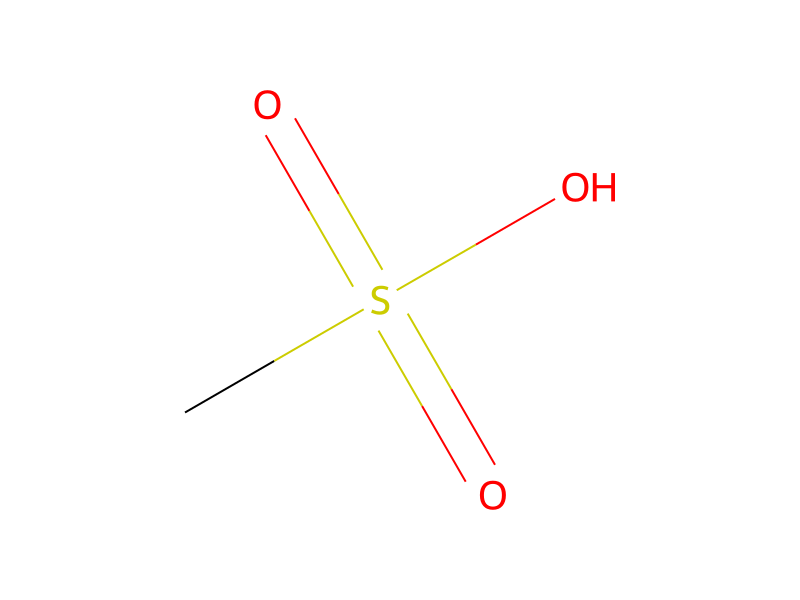
[Br-].[F:2][C:3]1[CH:20]=[CH:19][C:6]([CH2:7][N+:8]2[CH:13]=[CH:12][CH:11]=[CH:10][C:9]=2[CH:14]2OCCO2)=[CH:5][CH:4]=1.C.[Cl:22]([O-:26])(=[O:25])(=[O:24])=[O:23].[Na+]>CS(O)(=O)=O>[Cl:22]([O-:26])(=[O:25])(=[O:24])=[O:23].[F:2][C:3]1[CH:4]=[CH:5][C:6]2[C:19]([CH:20]=1)=[CH:14][C:9]1[CH:10]=[CH:11][CH:12]=[CH:13][N+:8]=1[CH:7]=21-(4-Fluorobenzyl)-2-(1,3-dioxolan-2-yl)pyridinium bromide (31 g, 0.091 mol) was added to a mixture of polyphosphoric acid (350 g) and methanesulfonic acid (100 mL) at 40° C. and the resulting: mixture was heated at 105° C. for 2 hours. The mixture was poured onto ice and the solution was treated with charcoal. The mixture was added to an excess of sodium perchlorate and the solution was chilled and allowed to stand for 16 hours. A precipitate formed, which was collected by filtration to afford 15.9 g (59%) of 9-fluorobenzo-[b]quinolizinium perchlorate (Formula II: R2 =9-F; R1 =H; X- =ClO4-), as a yellow solid, m.p. 168°-173° C.