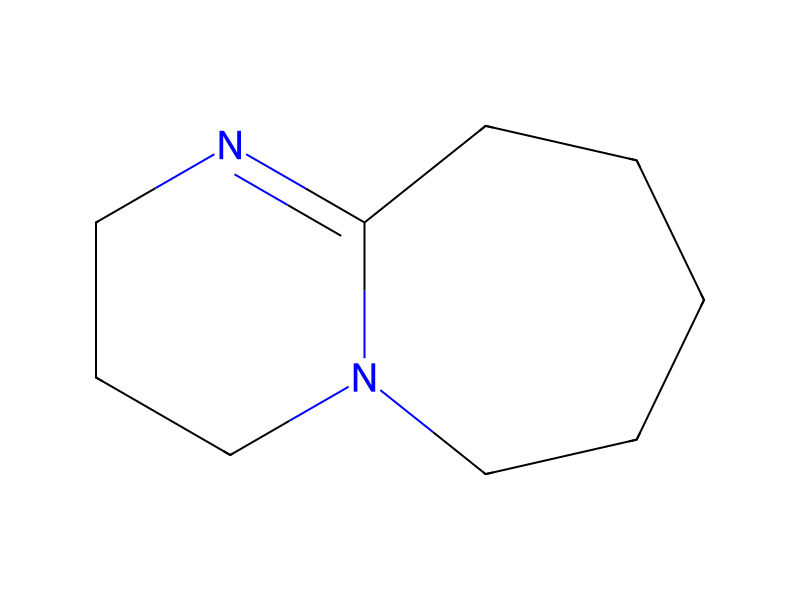
Br[CH2:2][CH2:3][CH2:4][O:5][C:6]1[CH:7]=[C:8]2[C:13](=[CH:14][CH:15]=1)[NH:12][C:11](=[O:16])[CH2:10][CH2:9]2.[CH3:17][C:18]1[NH:19][CH:20]=[CH:21][N:22]=1.C1CCN2C(=NCCC2)CC1>C(O)(C)C>[CH3:17][C:18]1[N:19]([CH2:2][CH2:3][CH2:4][O:5][C:6]2[CH:7]=[C:8]3[C:13](=[CH:14][CH:15]=2)[NH:12][C:11](=[O:16])[CH2:10][CH2:9]3)[CH:20]=[CH:21][N:22]=12.0 Grams (7.0 mM) of 6-(3-bromopropoxy)-3,4-dihydrocarbostyril, 2.2 g (7.7 mM) of 2-methylimidazol and 1.3 ml (8.4 mM) of DBU were dissolved in 80 ml of isopropanol, and the resulting solution was refluxed by heating for 20 hours. The reaction mixture was concentrated, and to the resulting residue was added water, then extracted with chloroform. The chloroform extract was washed with water, dried with anhydrous sodium sulfate, then concentrated. The resulting residue was purified by means of a silica gel column chromatography (eluent: dichloromethane: methanol=20:1), and recrystallized from ethanol-n-hexane to yield 1.0 g of 6- [3-(2-methyl-1-imidazolyl)propoxy]-3,4-dihydrocarbostyril. White powdery substance. Melting point: 141.5°-142.5° C.