HomeMCPWorkbenchSkills
HomeWorkbenchNotificationsMe
llms.txt · MCP GuidePrivacy Policy · Terms of Service · Supportv1.8.3
  1. Home
  2. /Reaction

Phenylacetaldehyde → 5-Phenylthiazole

HRID 1649561
Print

Reaction equation

HRID 1649561 reaction equation
[C:1]1([C:7]2[S:11][CH:10]=[N:9][CH:8]=2)[CH:6]=[CH:5][CH:4]=[CH:3][CH:2]=1.Br[CH:13]([C:16]1[CH:21]=[CH:20][CH:19]=[CH:18][CH:17]=1)[CH:14]=O.[C:22]1([CH2:28][CH:29]=O)[CH:27]=[CH:26][CH:25]=[CH:24][CH:23]=1.BrBr.C=S.[C:35]([NH2:38])(=[S:37])[CH3:36].[NH2:39][C:40]([NH2:42])=[S:41].[CH2:43]([NH:45][C:46](=[S:48])[O-:47])[CH3:44]>CO>[C:1]1([C:7]2[S:11][CH:10]=[N:9][CH:8]=2)[CH:2]=[CH:3][CH:4]=[CH:5][CH:6]=1.[CH3:36][C:35]1[S:37][C:13]([C:16]2[CH:21]=[CH:20][CH:19]=[CH:18][CH:17]=2)=[CH:14][N:38]=1.[NH2:42][C:40]1[S:41][C:28]([C:22]2[CH:27]=[CH:26][CH:25]=[CH:24][CH:23]=2)=[CH:29][N:39]=1.[OH:47][C:46]1[S:48][C:44]([C:1]2[CH:6]=[CH:5][CH:4]=[CH:3][CH:2]=2)=[CH:43][N:45]=1

ParticipantsProcedureSources & evidenceReaction notes

Participants

13

Reactant 8

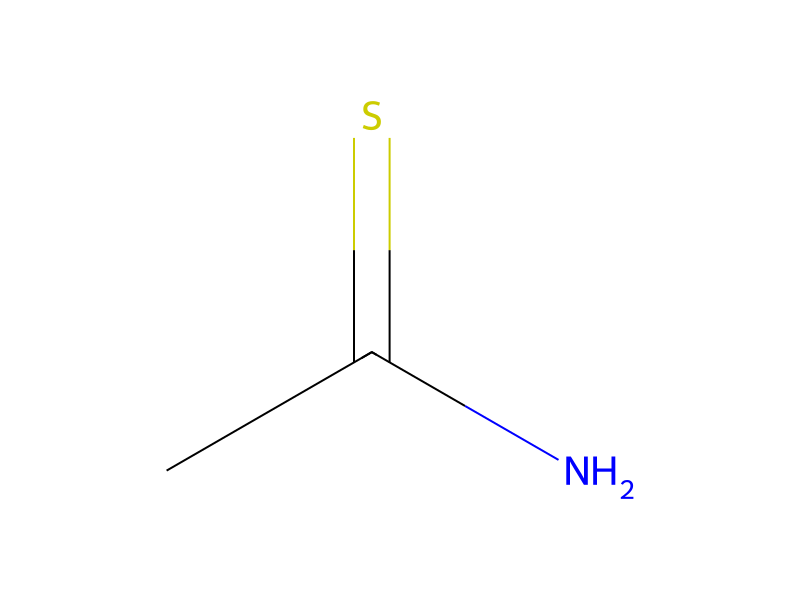
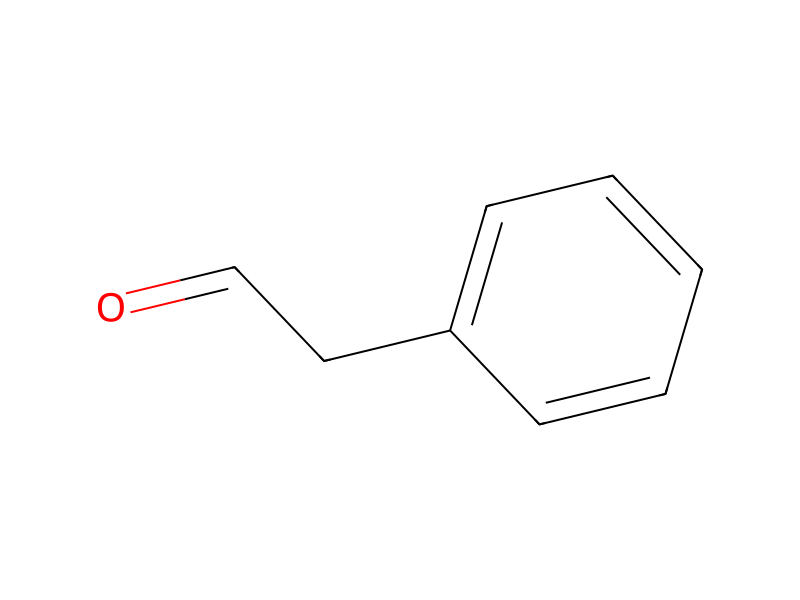
HCID 998PhenylacetaldehydeHCID 24408BromineHCID 79115ThioformaldehydeHCID 5952095-PhenylthiazoleHCID 2723790ThioureaHCID 2723949ThioacetamideHCID 108889012-Bromo-2-phenylacetaldehyde2×
HCID 178465499
HCID 178465499, compound

Product 4

HCID 5952095-PhenylthiazoleHCID 8731195-Phenyl-thiazol-2-ylamineHCID 123675102-Methyl-5-phenylthiazoleHCID 178517639HCID 178517639, compound

Reagents, catalysts & solvents 1

HCID 887MethanolSolvent

Procedure

In synthesis of 5-phenylthiazole derivatives, the intermediate α-bromo-α-phenylacetaldehyde is first synthesized by allowing phenylacetaldehyde to react with bromine according to the method as disclosed in Helv. Chim. Acta. Vol. 30, pp.2058 (1945). As the next step, according to the method disclosed in J. Amer. Chem. Soc. Vol. 71, pp.4007 (1949), α-bromo-α-phenylacetaldehyde is allowed to react respectively with thioformaldehyde, thioacetamide, thiourea and ethylthiocarbamate at room temperature in methanol as a reaction solvent to obtain 5-phenylthiazole (m.p. 45°-46° C.), 2-methyl-5-phenylthiazole (m.p. 74°-76° C.), 2-amino-5-phenylthiazole (m.p. 206°-208° C.) and 2-hydroxy-5-phenylthiazole (m.p. 202°-204° C.). On the other hand, according to the method as described in U.S. Pat. No. 2,603,646 (1952), phenylacetaldehyde is allowed to react with thiocyanogen to obtain α-phenyl-α-thiocyanoacetaldehyde, which is then allowed to react with ammonium dithiocarbamate in the presence of an acid catalyst such as dilute sulfuric acid to obtain 2-mercapto-5-phenylthiazole (m.p. 207°-209° C.).

Sources & evidence

ORD record
ord-5e34c6bcd2774192bdbdede10a6416a1
Source dataset
uspto-grants-1983_11
DOI
10.6084/m9.figshare.5104873.v1
Patent number
US04418070

Reaction notes

On this pageParticipantsProcedureSources & evidenceReaction notes