Reaction equation

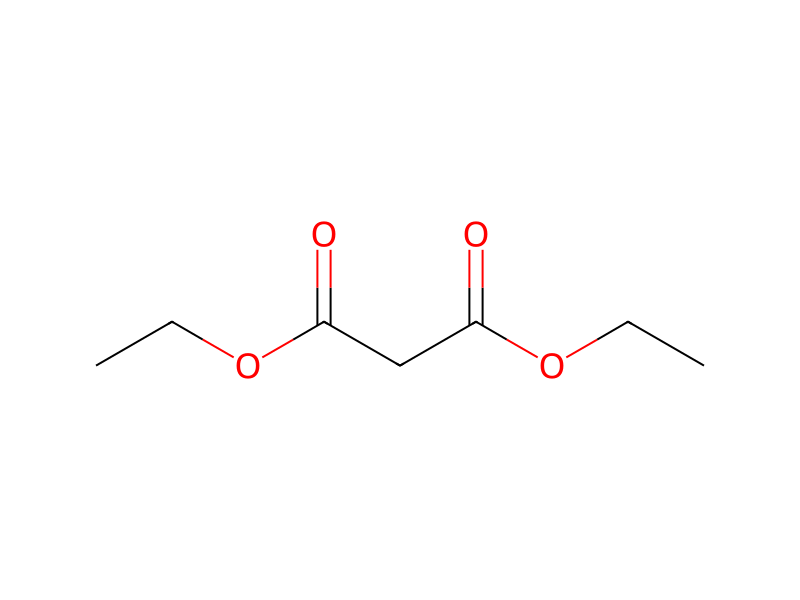
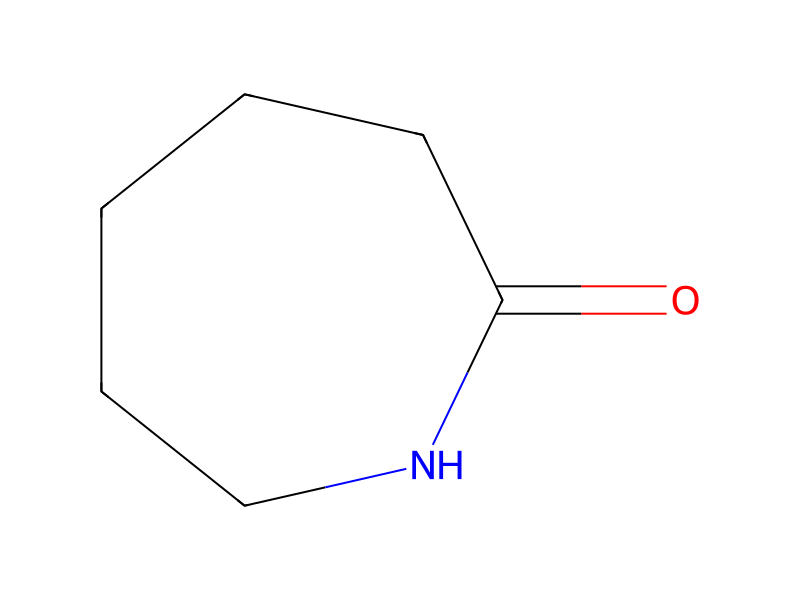
C[C:2](=[N:5]O)[CH2:3][CH3:4].[C:7]1(=[O:14])[NH:13][CH2:12][CH2:11][CH2:10]CC1.C([O-])(=O)C[C:17](C)=[O:18].C([O-])(=O)CC([O-])=O.C(OCC)(=O)CC(OCC)=O>C(OCC)(=O)C>[CH2:4]([CH2:3][CH2:2][N:5]=[C:17]=[O:18])[CH2:10][CH2:11][CH2:12][N:13]=[C:7]=[O:14]Participants
Reactant 5



Product 1

Reagents, catalysts & solvents 1

Procedure
Suitable blocking agents or example, an oxime (preferably butanone oxime), a lactam (preferably ε caprolactam), an acetoacetate (preferably ethyl acetate), a malonate (preferably diethyl malonate), or a substituted phenol. Within the substitued phenols, p-hydroxybenzoic acid esters (e.g. p-hydroxybenzoic acid ethyl ester) are particularly preferred. They have low cleavage temperatures (less than 150° C.), and the ester eliminated has a low volatility and no unpleasant odor. In one preferred embodiment of the invention, component III may be obtained by reaction of the trimer (i.e. isocyanurate) of 1,6-hexamethylene diisocyanate with a hydroxyfunctional polyester, especially a polyadipate having a melting range of no more than 100° C. In another embodiment of the invention, 1,3-bis-(isocyanato-organo)-2,4-dioxo-1,3-diazetidines or 3,5-bis-(isocyanato-organo)-2,4,6-trioxotetrahydro-1,3,5-oxadiazines, such as, e.g., the adduct of 2 moles 1,6-hexamethylene diisocyanate and 1 mole carbon dioxide, may also be used as blocked polyisocyanates.
Workup
- customcleavage temperatures (less than 150° C.)
Sources & evidence
- ORD record
- ord-5ab07b23daf04d01ac59cf65a2e0d9d1
- Source dataset
- uspto-grants-1993_10
- Patent number
- US05252617
Linked notes
Loading…