HomeMCPSkillsWorkbenchOpenChem
HomeWorkbenchNotificationsMe
llms.txt · skill.md · MCP GuidePrivacy Policy · Terms of Service · Supportv1.8.5
  1. Home
  2. /Reaction

Hydrochloric Acid → 4,4-Dicyclopropyl-2-cyclopenten-1-ol

HRID 1657281
Print

Reaction equation

[CH:1]1([C:4]2([CH:10]3[CH2:12][CH2:11]3)[CH2:8][C:7](=[O:9])[CH:6]=[CH:5]2)[CH2:3][CH2:2]1.[H-].C([Al+]CC(C)C)C(C)C.C(OCC)(=O)C.Cl>C(OCC)C>[CH:10]1([C:4]2([CH:1]3[CH2:3][CH2:2]3)[CH2:8][CH:7]([OH:9])[CH:6]=[CH:5]2)[CH2:12][CH2:11]1
ParticipantsProcedureWorkupSources & evidenceReaction notes

Participants

6

Reactant 4

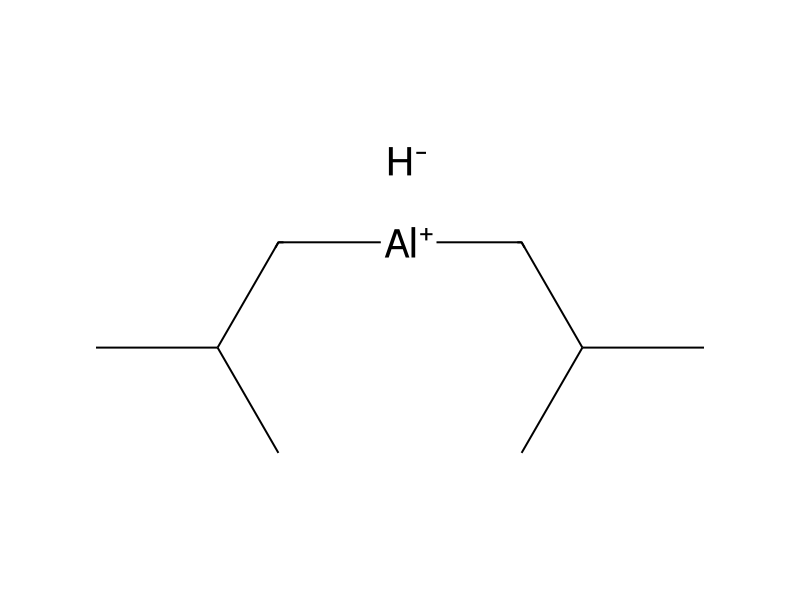
HCID 313Hydrochloric AcidHCID 8857Ethyl AcetateHCID 197874854,4-Dicyclopropyl-2-cyclopenten-1-oneHCID 21225700Diisobutylaluminumhydride

Product 1

HCID 197874674,4-Dicyclopropyl-2-cyclopenten-1-olYield 27.8%

Reagents, catalysts & solvents 1

HCID 3283
Diethyl Ether
Solvent

Procedure

To a solution of 4,4-dicyclopropyl-2-cyclopenten-1-one (1.88 g) in diethyl ether (20 ml) was added diisobutylaluminum hydride (0.94N in n-hexane, 14 ml) at -70° C. to -64° C. under nitrogen atmosphere. After being stirred for 20 minutes, ethyl acetate (6 ml) was added thereto and the solution was acidified with dil. hydrochloric acid and extracted with diethyl ether. The extract was washed with brine, dried over sodium sulfate and evaporated in vacuo to give 4,4-dicyclopropyl-2-cyclopenten-1-ol (0.53 g). Since this compound was not so stable, it was used in the next reaction without purification.

Workup

  1. extractionextracted with diethyl ether
  2. washThe extract was washed with brine
  3. dry with materialdried over sodium sulfate
  4. customevaporated in vacuo

Sources & evidence

ORD record
ord-e1ae218244c045ee82e99ad4c8f992d5
Source dataset
uspto-grants-1993_10
DOI
10.6084/m9.figshare.5104873.v1
Patent number
US05256824

Reaction notes

On this pageParticipantsProcedureWorkupSources & evidenceReaction notes