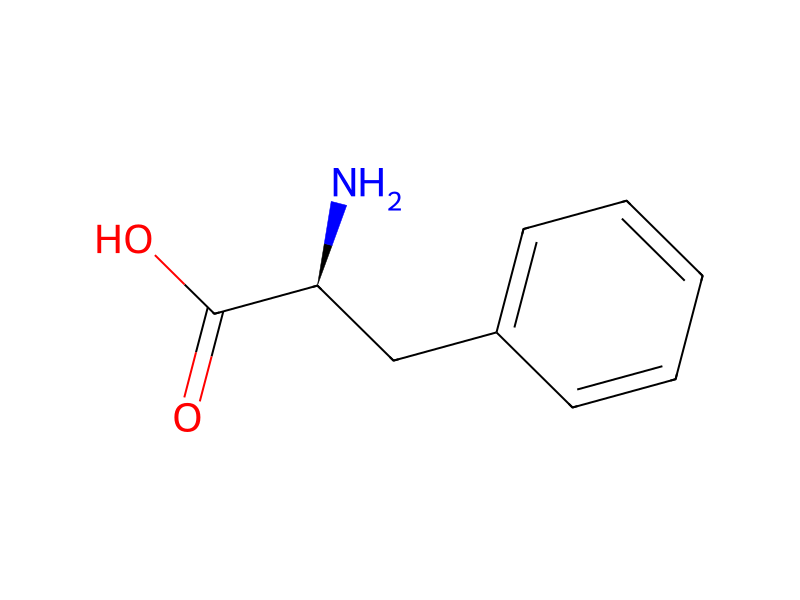
SC1N=[C:6]([CH3:8])[CH:5]=[C:4]([CH3:9])N=1.[O:10]1CCO[CH2:12][CH2:11]1.SC1N=CC=C[N:18]=1.[NH2:23][C@H:24]([C:32]([OH:34])=[O:33])[CH2:25][C:26]1[CH:31]=[CH:30][CH:29]=[CH:28][CH:27]=1.[C:35]([O:38][CH2:39][CH3:40])(=[O:37])C>[OH-].[Na+]>[NH:18]([C:35]([O:38][CH2:39][C:40]1[CH:9]=[CH:4][CH:5]=[CH:6][CH:8]=1)=[O:37])[CH2:12][C:11]([NH:23][C@H:24]([C:32]([OH:34])=[O:33])[CH2:25][C:26]1[CH:31]=[CH:30][CH:29]=[CH:28][CH:27]=1)=[O:10]N-benzyloxycarbonyl-glycine 4,6-dimethylpyrimidine-2-yl thiolester was synthesized using the same process as described in Example 6 except that 0.005 mole of 2-mercapto-4,6-dimethyl-pyrimidine and 15 ml of dioxane were used instead of 0.01 mole of 2-mercapto-pyrimidine and 50 ml of ethyl acetate. To the obtained reaction solution, 0.99 g (0.006 mole) of L-phenylalanine dissolved in 12 ml of a 0.5 N aqueous solution of sodium hydroxide (L-Phe-ONa) was added and reacted at 20°C for 6 hours. After completion of the reaction, the dioxane was removed by distillation. To the residue, 10 ml of water was added and the resulting solution was washed with ethyl acetate. After adjusting the solution to pH 2 with a 2 N aqueous solution of hydrochloric acid, the resulting solution was extracted with ethyl acetate. The extract was dried over magnesium sulfate and then the solvent was removed by distillation to obtain 1.44 g of Z-Gly-L-Phe-OH; yield, 80 %; m.p. 127° - 127.5°C; [α]D = +37.0 (C=1.0, EtOH).