HomeMCPWorkbenchSkills
HomeWorkbenchNotificationsMe
llms.txt · MCP GuidePrivacy Policy · Terms of Service · Supportv1.8.3
  1. Home
  2. /Reaction

Potassium Carbonate → HCID 21525472, compound

HRID 1658732
Print

Reaction equation

HRID 1658732 reaction equation
[Cl-].[NH2:2][C:3]1[N:8]=[CH:7][CH:6]=[CH:5][N+:4]=1[CH2:9][S:10][C:11]1[CH:16]=[CH:15][CH:14]=[CH:13][C:12]=1Br.C(=O)([O-])[O-].[K+].[K+]>[Cu].C(O)CC>[N:8]1[C:3]2[N:4]([CH2:9][S:10][C:11]3[CH:16]=[CH:15][CH:14]=[CH:13][C:12]=3[N:2]=2)[CH:5]=[CH:6][CH:7]=1
ParticipantsProcedureWorkupSources & evidenceReaction notes

Participants

5

Reactant 2

HCID 11430Potassium CarbonateHCID 213933952-Amino-1-[[(o-bromophenyl)thio]methyl]pyrimidinium chloride

Product 1

HCID 21525472HCID 21525472, compoundYield 110.3%

Reagents, catalysts & solvents 2

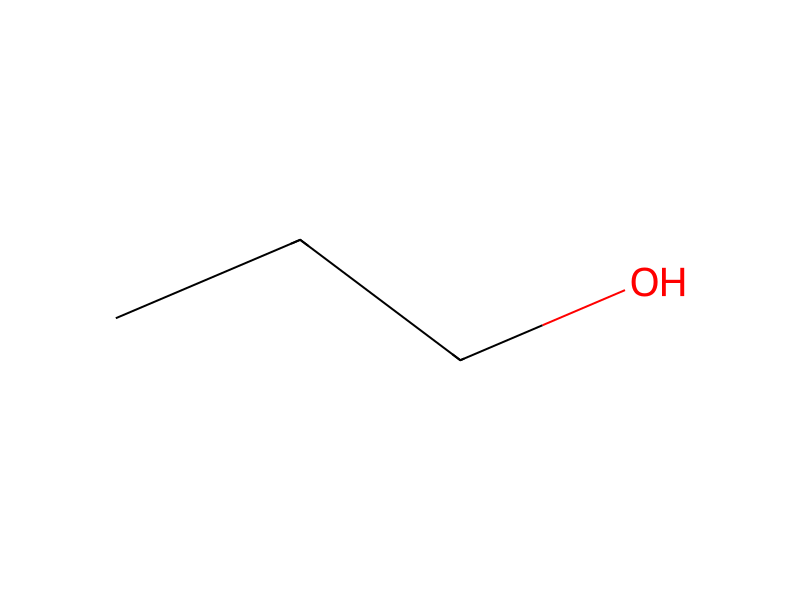
HCID 23978CopperCatalystHCID 10311-PropanolSolvent

Procedure

A mixture of 33.2 g of 2-amino-1-[[(o-bromophenyl)-thio]methyl]pyrimidinium chloride, 27.7 g of anhydrous potassium carbonate, 0.8 g of copper bronze, and 750 ml of n-propanol is heated and stirred, under reflux, for 6 days, filtered hot, and the filtrate concentrated to dryness in vacuo. The residue is dissolved in 600 ml of ether, and the ether solution is washed, dried, decolorized with Darco, and concentrated to give about 23.7 g of a yellow solid. Recrystallization from cyclohexane-benzene gives about 17.4 g of the named compound.

Workup

  1. temperatureis heated
  2. temperatureunder reflux, for 6 days
  3. filtrationfiltered hot
  4. concentrationthe filtrate concentrated to dryness in vacuo
  5. dissolutionThe residue is dissolved in 600 ml of ether
  6. washthe ether solution is washed
  7. customdried
  8. concentrationconcentrated

Sources & evidence

ORD record
ord-a6eeddc191cc4022aec0aab91113ea17
Source dataset
uspto-grants-1976_06
DOI
10.6084/m9.figshare.5104873.v1
Patent number
US03966733

Reaction notes

On this pageParticipantsProcedureWorkupSources & evidenceReaction notes